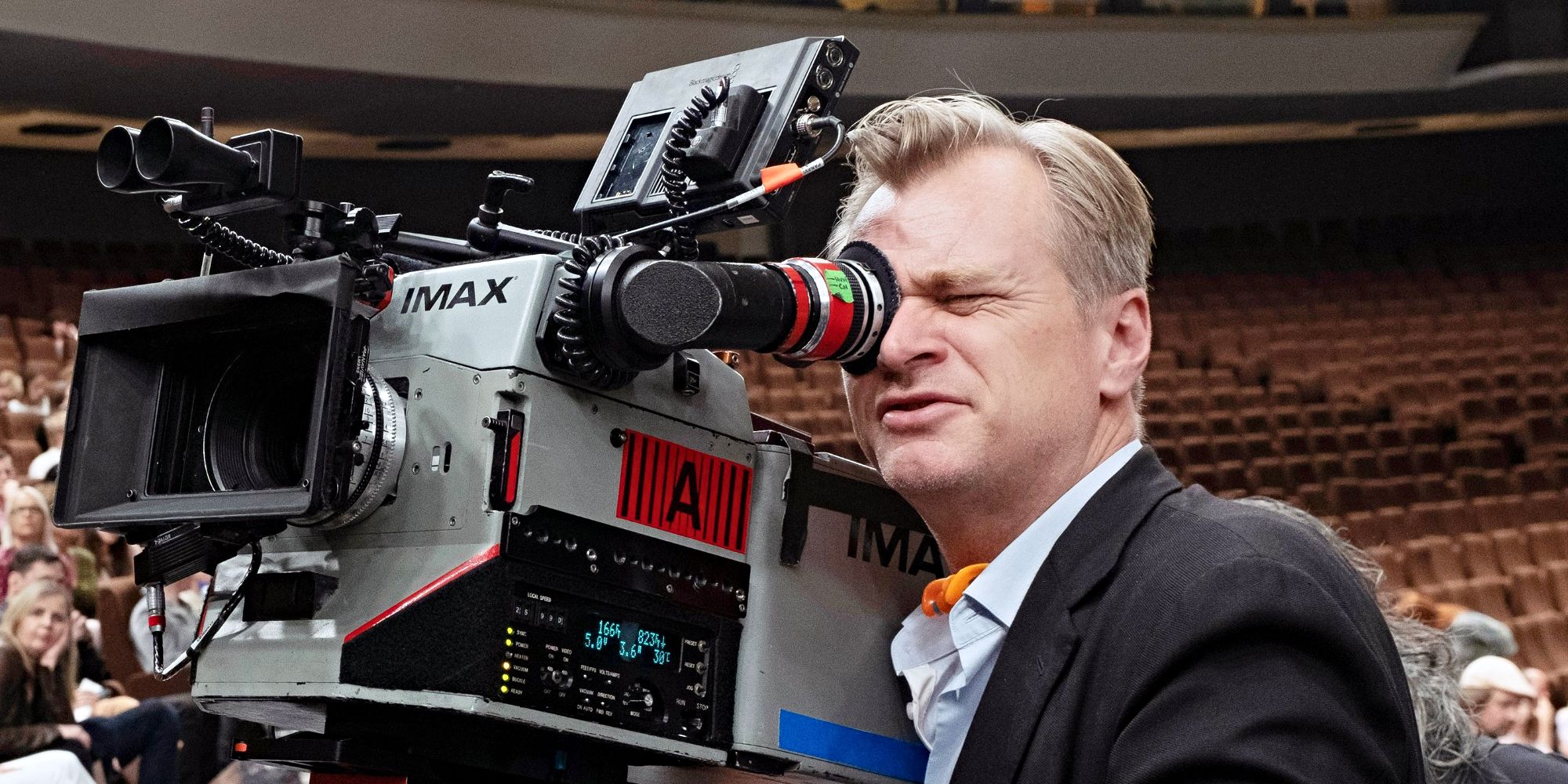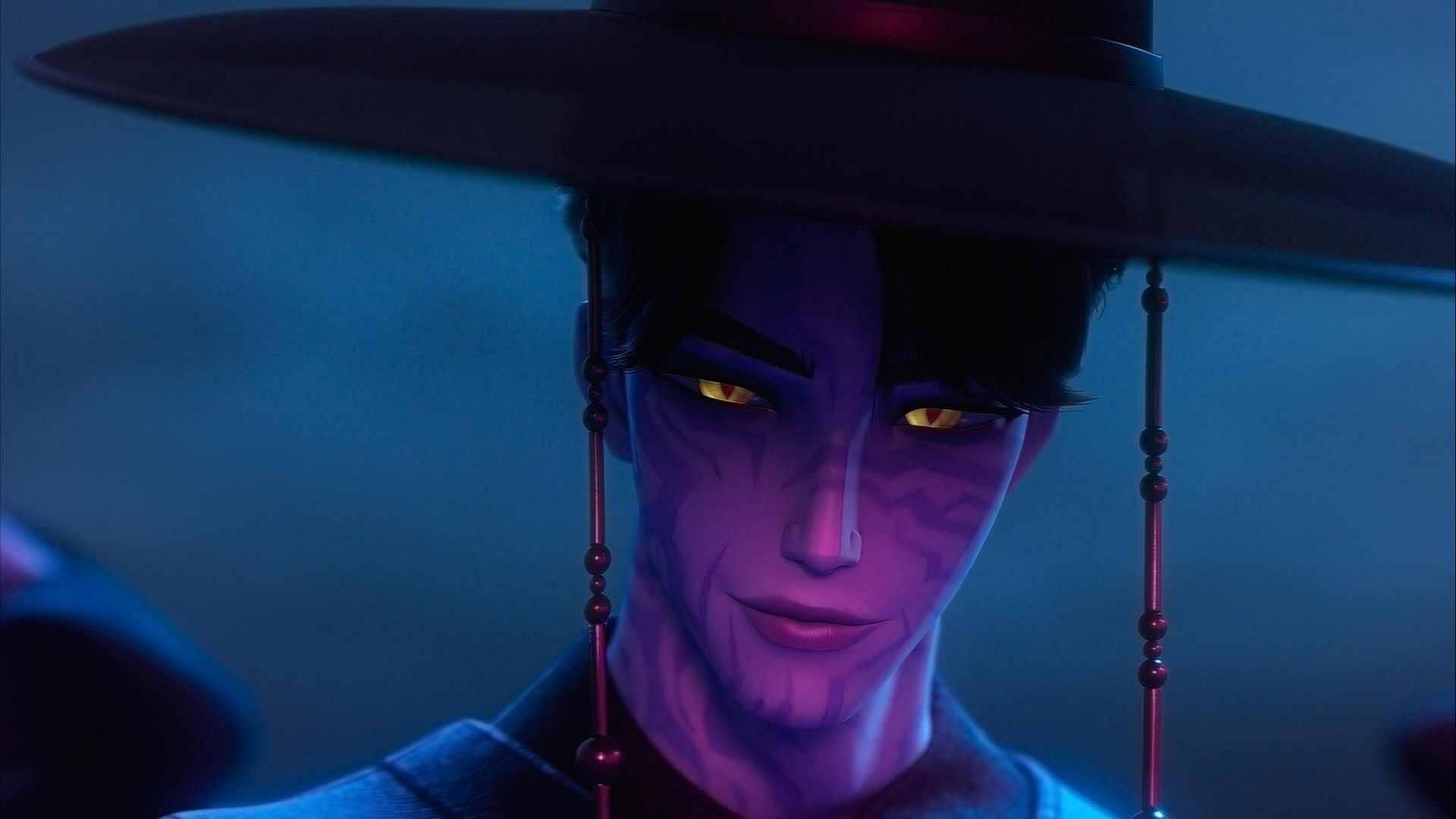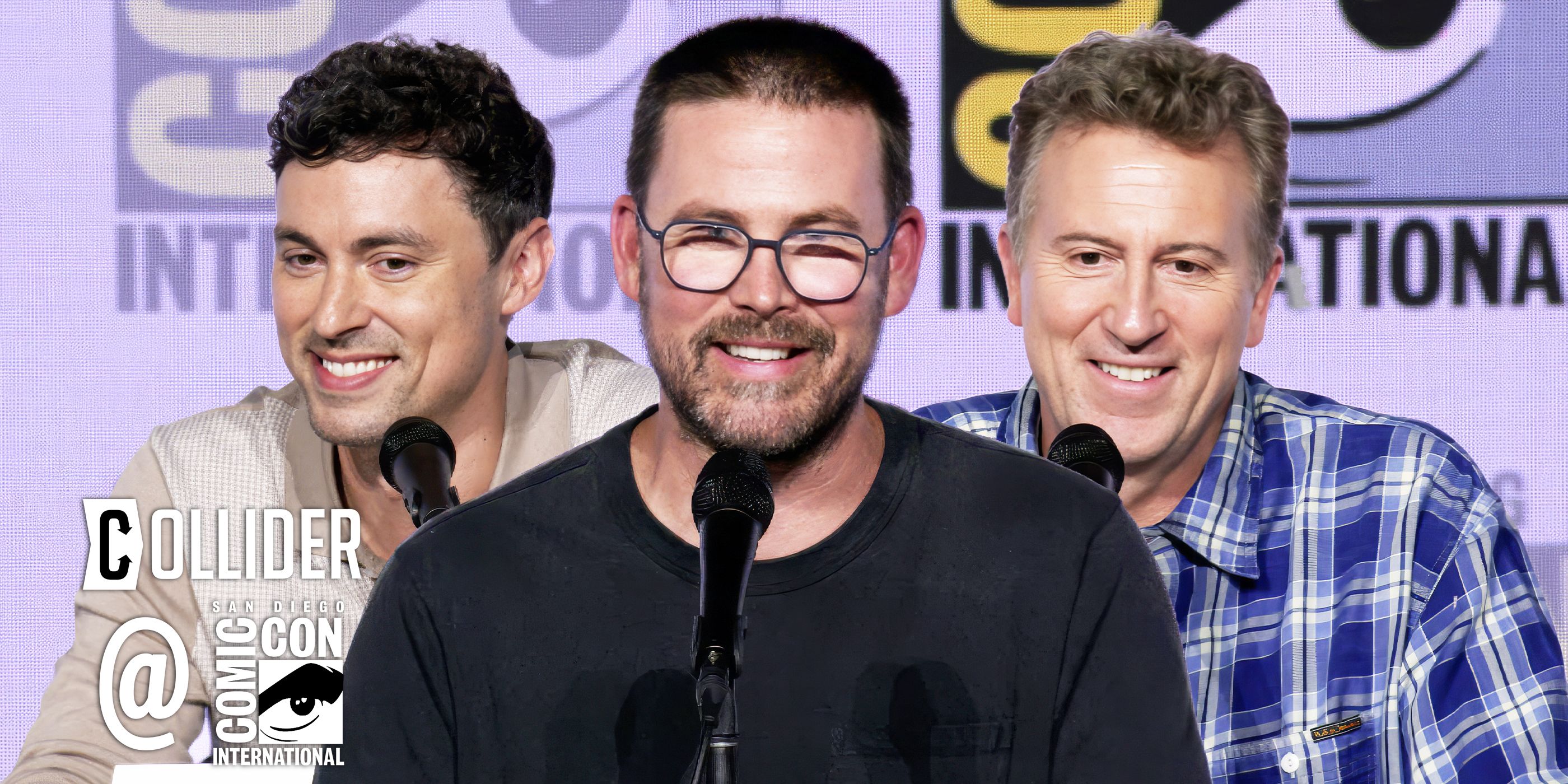
Cregger, Goldstein, and Daley Share Insights on Upcoming Projects
Zach Cregger, Jonathan Goldstein, and John Francis Daley provide thrilling updates on their upcoming projects, including 'Resident Evil', 'Star Trek', and 'Mayday'.
Meta's recent introduction of its Muse Image AI generator has faced swift backlash, leading the company to pull the feature following criticism from major industry unions CAA and SAG-AFTRA.

In a surprising turn of events, Meta has decided to disable its Muse Image AI generator shortly after introducing the feature. This decision came amidst significant pushback from influential industry bodies, CAA and SAG-AFTRA, who expressed serious concerns regarding user privacy. Meta acknowledged that the feature failed to meet community standards and admitted they "missed the mark."
Meta's Muse Image AI generator has been pulled from Instagram just days after its launch due to backlash from CAA and SAG-AFTRA over privacy issues. Users were automatically opted-in to the feature, which raised alarm bells among industry professionals, leading Meta to reassess its approach.
In the competitive landscape of AI technology, Meta aimed to enhance user experience through innovative solutions with its Muse Image AI generator. The goal was to allow users to generate images based on prompts. However, the implementation raised immediate privacy concerns. Critics highlighted the automatic opt-in feature, suggesting it lacked transparency and consent, ultimately prompting Meta to rethink its rollout strategy.
With the withdrawal of the Muse Image AI generator, Meta is signaling a willingness to listen to criticism and prioritize user privacy. The backlash from CAA and SAG-AFTRA was particularly potent, showcasing the power of industry unions to influence tech giants. Meta's admission of missing the mark indicates a desire to engage more thoughtfully with its user base and the creative community.
As Meta assesses its next steps, it's likely that the company will re-evaluate user consent measures in any future AI-related features. There's an opportunity for Meta to rebuild trust with its users and industry partners by ensuring that any technological advancements prioritize privacy and ethical considerations. This incident could also spur broader discussions on industry standards for AI usage in media and entertainment.
The rapid withdrawal of Meta's AI generator has garnered significant media attention due to its implications for privacy in the tech industry. The reactions from major industry players underscore the ongoing dialog about how technology intersects with user rights and creative professions. Given the rise of AI technologies, this case serves as a critical reminder of the importance of ethical considerations in digital innovation.
Meta’s decision to disable the Muse Image AI generator illustrates the complex relationship between technology and user privacy. As society grapples with the implications of AI, this situation serves as a pivotal moment for discussions around consent and ethical practices in tech development. How companies navigate these issues in the future will be crucial in shaping their reputations and success in the evolving digital landscape.
Q: Why did Meta disable the Muse Image AI generator?
A: Meta disabled the feature following backlash regarding privacy concerns and criticism from CAA and SAG-AFTRA, who felt the automatic opt-in lacked transparency.
Q: What are CAA and SAG-AFTRA?
A: CAA is a top talent agency that advocates for the rights of its clients, while SAG-AFTRA is a union representing media professionals, focusing on their interests in the evolving landscape of technology and media.
Q: What is the future of AI technology in entertainment?
A: The future of AI in entertainment will likely focus on greater transparency, user consent, and ethical considerations as companies navigate the balance between innovation and privacy.
Entertainment news
EpisodeBreakdown may use automated tools to assist research, drafting, and formatting. Published pages are governed by our editorial and corrections policies, and source links are shown when they are available in the article record.
Discovery source: Deadline. The source identifies where the topic was discovered; EpisodeBreakdown is responsible for the commentary published on this page.
Reader response
Reactions and poll results are based on real reader responses. No account is required.