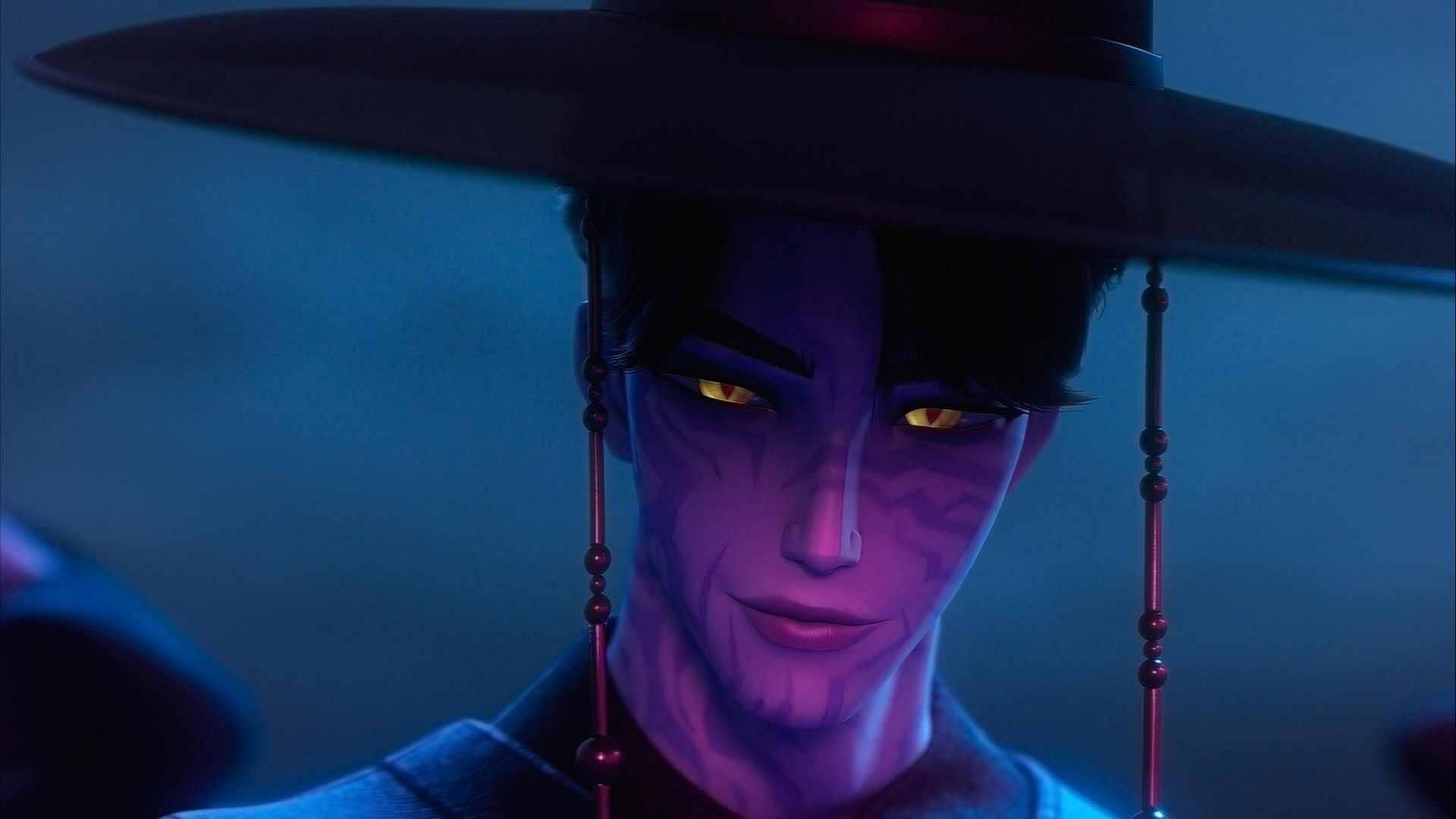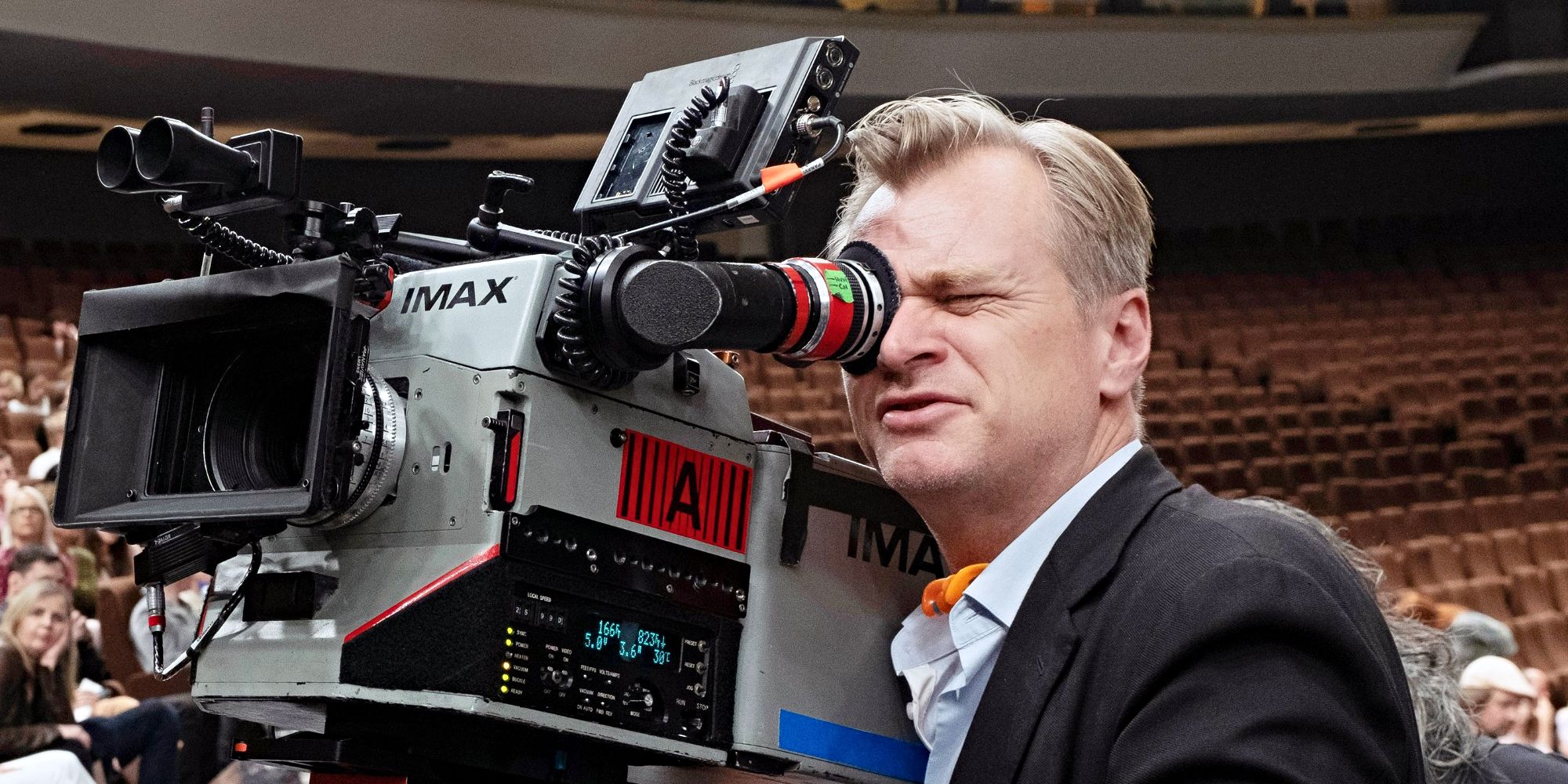
Christopher Nolan’s Sci-Fi Spy Thriller Takes Over HBO Max
Christopher Nolan's 'Tenet' is now gaining popularity on HBO Max amid box office successes this year.
Meta's recent introduction of its Muse AI tools faced backlash from Hollywood, prompting a reevaluation of its opt-out feature aimed at user tagging.
In a bold move that aimed to enhance user engagement on its platforms, Meta recently launched its Muse AI photo and video tools. This feature allowed Instagram users to tag other accounts when referencing their work, with the caveat that users could opt out of being tagged. However, this initiative sparked significant backlash from Hollywood, ultimately leading Meta to reconsider the functionality.
The Muse AI tools were designed to encourage collaboration and visibility among creators. The idea was straightforward: users could easily reference and tag the works of fellow creators, thus fostering a sense of community and recognition within the platform. But the opt-out feature, which was intended to give users control over their visibility, was met with criticism from various corners of the entertainment industry.
Hollywood professionals expressed their concerns vehemently, arguing that the opt-out feature was inadequate. Many felt that the tagging system could lead to unauthorized promotions of their work, infringing upon their rights and diminishing the value of their creative content. Critics contended that this approach failed to respect the artists' autonomy and could potentially exploit their creations without proper consent.
The outrage prompted discussions across social media platforms and industry forums, with many creators voicing their dissatisfaction. This wave of criticism underscored the tension between technology and traditional creative practices, as many felt that Meta's initiative overlooked essential considerations of consent and ownership.
In light of the uproar, Meta quickly reacted by pulling back on the opt-out AI function. A spokesperson for the company acknowledged the backlash, stating, "This feature missed the mark. We value the feedback from our community and are committed to creating tools that respect the rights and preferences of all users."
This acknowledgment from Meta highlights a critical aspect of the ongoing dialogue surrounding technology's role in the arts. As platforms like Meta continue to innovate, they must also navigate the complex landscape of user rights and creative integrity.
The incident raises important questions about the future of AI in creative industries. As tools become more sophisticated, the balance between user engagement and respect for individual rights will be crucial. Creators are increasingly wary of how technology can impact their work, and companies must tread carefully to avoid alienating their user base.
Moving forward, it will be interesting to see how Meta and similar companies adjust their strategies. Will they implement more thorough consent mechanisms? Will they offer clearer guidelines about how creators' works can be used within AI tools? These are essential considerations that need to be addressed to ensure that creators feel safe and valued on digital platforms.
The backlash against Meta's Muse AI tools serves as a reminder of the delicate relationship between technology and creativity. As the industry evolves, it is imperative for tech companies to listen to the voices of creators and ensure that their innovations do not come at the expense of individual rights. The recent events underscore the need for a collaborative approach in shaping the future of digital tools for artists.
As Meta rethinks its strategy, it will be crucial to prioritize transparency and respect for creators' rights in any future iterations of its AI features. The dialogue between tech and the arts will undoubtedly continue, as both sectors seek to find common ground in an increasingly digital world.
Entertainment news
EpisodeBreakdown may use automated tools to assist research, drafting, and formatting. Published pages are governed by our editorial and corrections policies, and source links are shown when they are available in the article record.
Discovery source: The Hollywood Reporter. The source identifies where the topic was discovered; EpisodeBreakdown is responsible for the commentary published on this page.
Reader response
Reactions and poll results are based on real reader responses. No account is required.