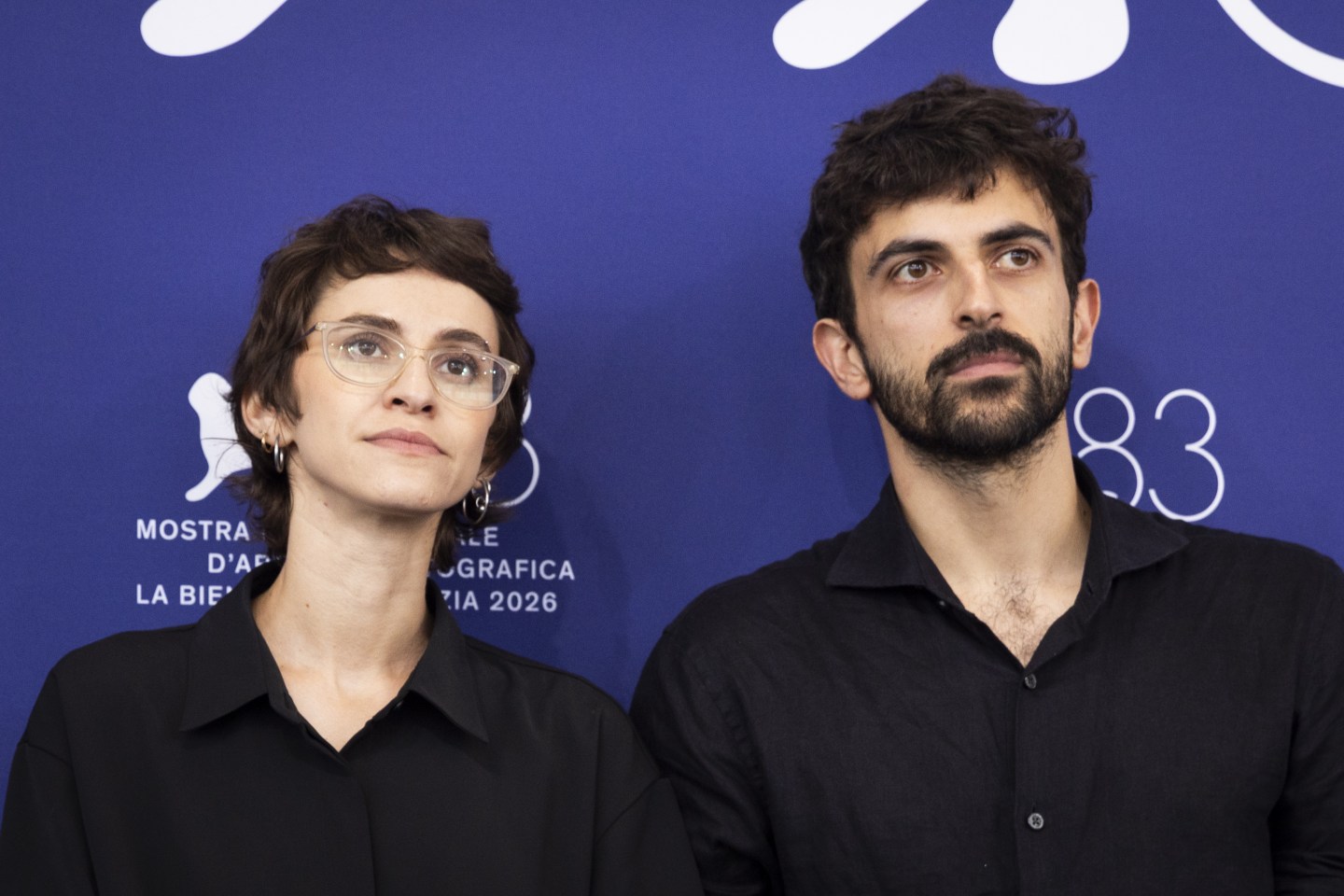
Israel’s Culture Minister Threatens Filmmakers over Documentary NAZA
Miki Zohar's threat to revoke the citizenship of NAZA filmmakers highlights tensions over freedom of expression in Israeli cinema.
Belgian director Michaël R. Roskam details ‘Le Faux Soir,’ a comedic thriller about Resistance journalists hijacking a Nazi newspaper, set to premiere at TIFF.
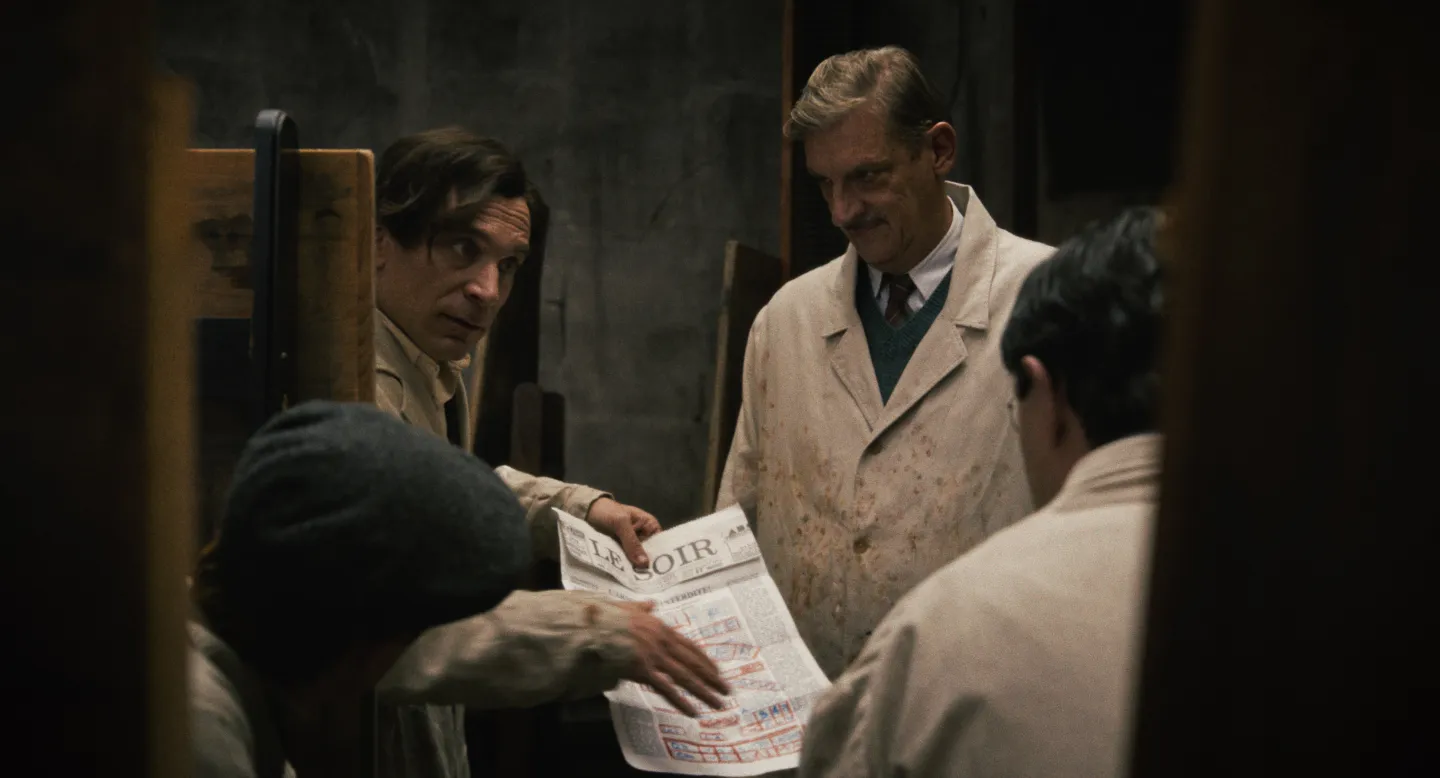
Belgian director Michaël R. Roskam has unveiled his upcoming film, Le Faux Soir, a period comedy thriller depicting the audacious efforts of Resistance journalists during World War II. The project is confirmed to premiere at the Toronto International Film Festival (TIFF).
Roskam, known for his work on acclaimed films such as Bullhead and The Drop, explores the true story of journalists who intercepted Belgium’s largest newspaper, Le Soir, replacing it with a satirical edition that mocked the Nazis. The announcement was made on September 13, 2026, in an interview with The Hollywood Reporter.
In November 1943, a group of brave Belgian journalists executed a remarkable stunt by hijacking the Nazi-controlled Le Soir to produce Le Faux Soir—a daring act considered the world’s first media hack. Roskam describes the narrative as akin to Ocean's Eleven but centered around the clever antics of these satirists. Their mission was both a dangerous and humorous form of resistance, demonstrating how humor can be a powerful weapon against oppression.
While discussing the film, Roskam emphasized the collaborative nature of the project, particularly with co-writer Bernard Falaise, who initially proposed the idea. Recognizing the potential of the story, they worked together to craft a script blending humor with serious historical context. Roskam's vision includes a cast of humor-focused actors from Belgium and France, aiming to portray the resistance fighters not as traditional heroes with weapons but as individuals wielding words and wit against fascism.
Roskam's dedication to authenticity involved extensive research into the 1940s milieu, including historical journalism techniques and satirical scriptwriting. He explored the creation of the original fake newspaper, diving into the mechanical aspects of printing with 1940s technology. According to Roskam, understanding the mechanics was akin to preparing for a heist movie, which he believes is central to the film's storytelling style.
Roskam hopes Le Faux Soir resonates with contemporary audiences who face the challenges of misinformation and propaganda. He believes the relevance of this WWII story extends beyond its historical context, serving as a reminder of the enduring battle against fake news. As contemporary satire often faces backlash from authoritarian regimes, this film showcases the risks associated with using humor as a tool of resistance.
Le Faux Soir aims to highlight the critical role of satire throughout history, urging younger generations to appreciate the power of words against oppression. The film's world premiere at TIFF is eagerly anticipated, promising a blend of humor, history, and commentary on the present socio-political climate, challenging audiences to reflect on the importance of truth in media.
For further exploration of themes in Roskam’s work, check out our articles on Cody Fern Recalls Filming ‘House of Cards’ Following Spacey Scandal and How Fatih Akin Breathed Life Into San Sebastian's Haunting Opener ‘Ghost Song’.
Entertainment news
EpisodeBreakdown may use automated tools to assist research, drafting, and formatting. Published pages are governed by our editorial and corrections policies, and source links are shown when they are available in the article record.
Discovery source: The Hollywood Reporter. The source identifies where the topic was discovered; EpisodeBreakdown is responsible for the commentary published on this page.
Reader response
Reactions and poll results are based on real reader responses. No account is required.