‘Paper Tiger’ and ‘Musk’ Documentary Featured at 2026 SFIFF
The 2026 Santa Fe International Film Festival showcases key titles including 'Paper Tiger' and 'Musk', marking an exciting lineup for this year.
Mila Kunis shares her thoughts on the perplexing production of American Psycho 2, a sequel that deviated significantly from its predecessor and left a mark on Hollywood's sequel history.
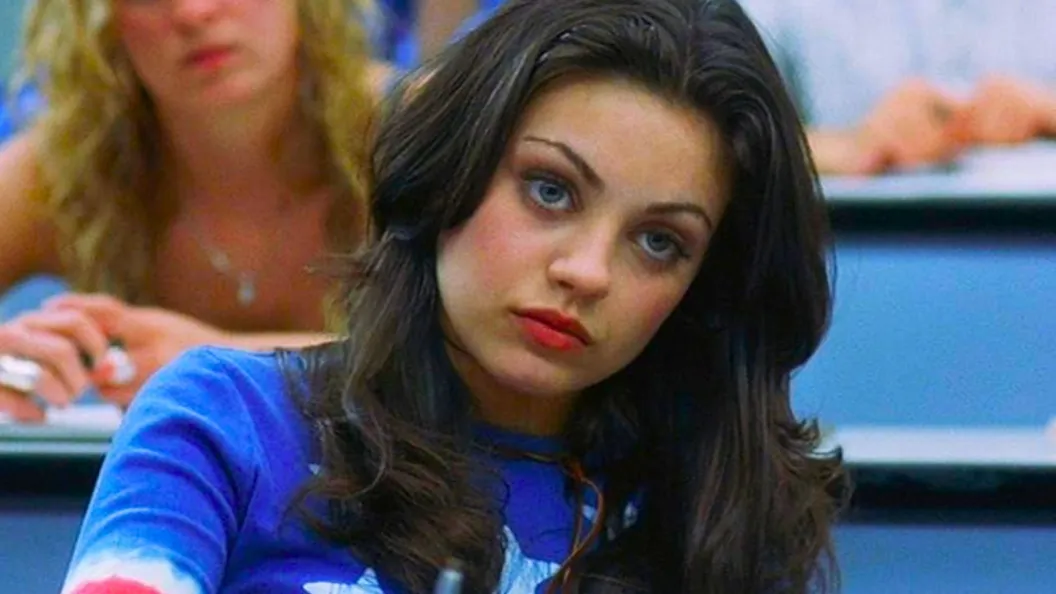
Mila Kunis, primarily known for her role in That '70s Show, recently discussed her experience filming American Psycho 2, which was released in 2002. This sequel has garnered significant attention for its peculiar production history and divergence from the acclaimed original film, American Psycho. Many fans and critics view it as one of the most baffling follow-ups in cinematic history.
In fact, American Psycho 2 was not originally intended to be a sequel. The project started as a completely different screenplay titled The Girl Who Wouldn't Die but was rebranded late in production to exploit the name recognition of American Psycho. This decision raised eyebrows within the film community, as it seemed to lack a coherent connection to the original narrative that had transformed Christian Bale’s portrayal of Patrick Bateman into a cultural touchstone.
The original American Psycho (2000), based on Bret Easton Ellis' novel, was a critical success and is celebrated as one of the best film critiques of its time. Its satirical depiction of the 1980s yuppie culture, combined with Bale's chilling performance, made it a standout film that resonated with audiences. The new film, however, attempted to capitalize on this legacy without any real understanding of what made the first film impactful, ultimately leading to disappointment.
Kunis has openly expressed regret regarding her involvement in American Psycho 2, revealing that she was unaware it would be branded as a sequel. She had initially signed on for a different project and did not anticipate the significant alterations the studio would impose. In her words, the final product bore little resemblance to her original expectations, stating, "Please—somebody stop this," when discussing the idea of a third installment. Kunis humorously commented on her experience, highlighting the oddity of her character Rachael witnessing Bateman, only to kill him shortly after. This absurd narrative choice contributed to the film feeling disconnected and poorly executed.
Critics and audiences reacted overwhelmingly negatively, with American Psycho 2 earning a disappointing 23% critics' score and 18% audience score on Rotten Tomatoes. Dismissing the film as a poorly conceived promotional strategy, many noted how the sequel failed to understand and respect the essence of its predecessor. Including Bateman only as a fleeting presence added confusion rather than depth to the storyline.
This film serves as a cautionary tale for the industry about the complexities inherent in making sequels, particularly those based on established narratives. The case of American Psycho 2 raises questions about studio practices and decision-making processes, shedding light on how such actions can adversely affect a film's quality and reception. In hindsight, it becomes evident that the attempt to connect Rachael’s backstory with Bateman’s legacy was misguided and poorly thought out, resulting in a misalignment with the high expectations set by the original film.
The narrative choices made suggest that studios may prioritize brand recognition over artistic integrity, often leading to products that fail to resonate with audiences who had cherished the original.
For those interested in other notable sequel misfires, check out our coverage of the worst horror movie sequels and explore why they failed to live up to their predecessors.
Entertainment news
EpisodeBreakdown may use automated tools to assist research, drafting, and formatting. Published pages are governed by our editorial and corrections policies, and source links are shown when they are available in the article record.
Discovery source: ComicBook.com. The source identifies where the topic was discovered; EpisodeBreakdown is responsible for the commentary published on this page.
Reader response
Reactions and poll results are based on real reader responses. No account is required.