Robert De Niro's Cop Land Returns to Streaming Today
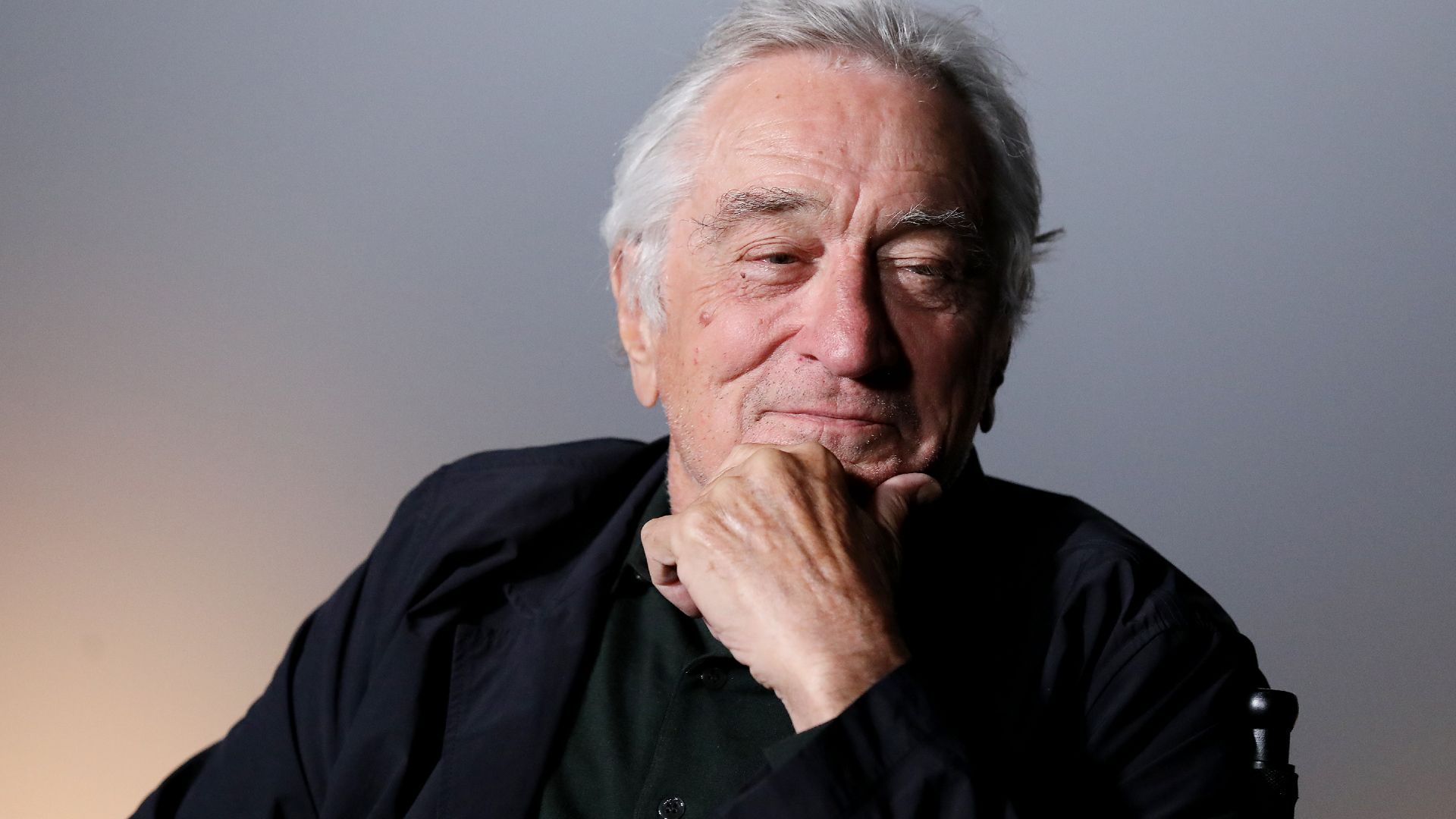
Robert De Niro's gritty crime thriller Cop Land is now back on streaming services, offering viewers a nostalgic revisit of this classic film.
The upcoming Mistborn movie has a chance to address character shortcomings in the original trilogy, particularly regarding female representation.
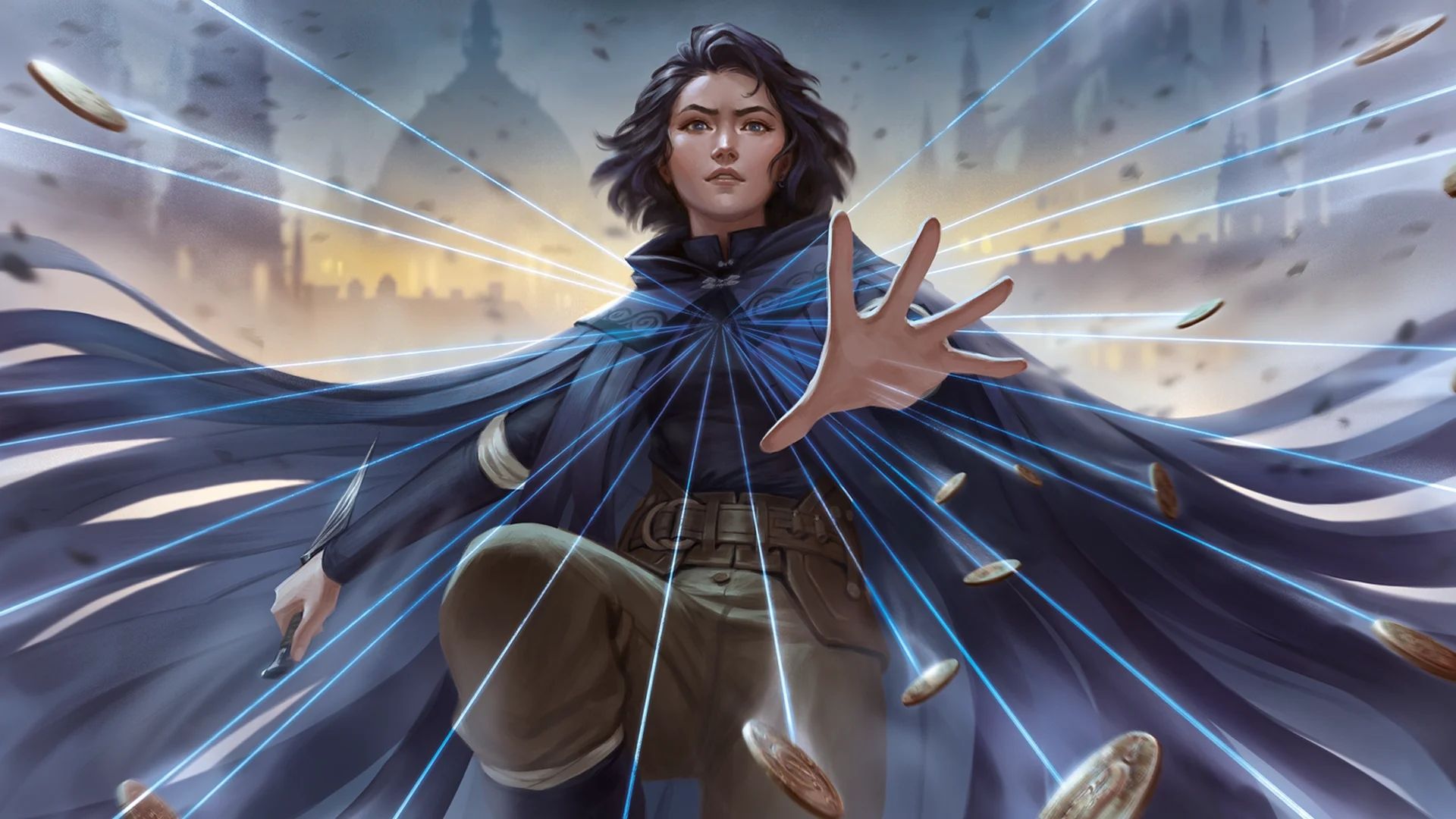
Brandon Sanderson, the author behind the beloved Mistborn series, has publicly acknowledged a significant oversight in his original trilogy: the lack of female characters. This gap raises a vital question as the Mistborn film adaptation approaches: Can the movie rectify this imbalance? In simple terms, it can. The film has the potential to not only expand on existing characters but also introduce new ones, ultimately leading to a more inclusive narrative.
In the original Mistborn trilogy, Vin stands out as the strong female protagonist; however, Sanderson admitted that his focus on her left the female representation lacking. He lamented, "I was so focused on Strong. Female. Protagonist. That I forgot half the population is women." This insight demonstrates a dual challenge for the adaptation: maintaining the integrity of the original narrative while ensuring that it reflects a broader range of experiences.
Within the existing story, there are a few confirmed female characters besides Vin. Tindwyl, introduced in the second book, is a historian of the oppressed Terris people. Allrianne also appears in the second book with the ability to intensify emotions, while Beldre enters in the third book but serves primarily as a love interest for male characters. Each woman’s role has significant limitations, primarily revolving around their relationships with male characters. This narrative structure positions them more as supporting roles than as fully realized individuals with agency.
The Mistborn movie adaptation offers an opportunity to expand these roles substantially. Sanderson could introduce Tindwyl and others much earlier in the film, granting them more screen time and development. Instead of merely playing love interests, these characters could play crucial roles in the plot, providing unique perspectives on the oppression of the skaa and the societal structures enforced by the Lord Ruler. Creating strong, independent arcs for these women would not only enhance the story but also respond to contemporary calls for broader representation in fantasy narratives.
While there is potential for enhancing existing characters, Sanderson could also choose to introduce new female characters. However, this approach comes with risks, as it might disrupt the finely woven narrative that fans have come to love. Every element in Sanderson’s stories is purposefully placed, contributing to the overarching themes. Thus, adding characters must be executed with caution to avoid inflating the storyline.
One intriguing option for enhancing female representation is gender-swapping existing male characters. History shows that adaptations often take liberties in this regard; for example, Denis Villeneuve’s Dune included a gender-swapped character in Dr. Liet Kynes. In the Mistborn narrative, characters like Dockson or Clubs could easily undergo gender transitions without upsetting the story's core. This approach might allow the adaptation to maintain its original flavor while enriching its gender dynamics, potentially offering fresh insights into the relationships at hand.
How Sanderson decides to approach these changes will influence the film's ending significantly. The original trilogy concludes with a focus on sacrifice and redemption, themes that resonate throughout the narrative. Expanding the arcs of female characters could lead to different conclusions that also incorporate their perspectives, making the resolution richer and more multidimensional. For example, Tindwyl's strengthened role could offer an angle on themes of legacy and empowerment not fully explored in the books.
The anticipation for the Mistborn movie adaptation is mounting, especially as fans look forward to how it will tackle the fresh narrative possibilities ahead. By addressing past mistakes and incorporating a stronger female presence, Sanderson can revitalize the material for both new audiences and dedicated fans.
In the meantime, viewers can keep an eye on other adaptations that have tackled similar inclusivity challenges, such as Dune and Invincible, to gauge how these narrative shifts can be effectively realized. As the world of adaptations expands, the Mistborn film may just set new benchmarks for diversity and representation in fantasy cinema.
As production on the Mistborn movie unfolds, the question of how to adequately address these character dynamics will be pivotal. Will Sanderson prioritize introducing female characters with greater depth or reimagine existing characters' roles? Fans will eagerly await updates, hoping for a film that lives up to the rich world and intricate storytelling Sanderson created in the books. Until more details emerge, all eyes remain on how this cinematic endeavor will reshape the Mistborn narrative landscape.
Movie explanation
EpisodeBreakdown may use automated tools to assist research, drafting, and formatting. Published pages are governed by our editorial and corrections policies, and source links are shown when they are available in the article record.
Discovery source: MovieWeb. The source identifies where the topic was discovered; EpisodeBreakdown is responsible for the commentary published on this page.
Reader response
Reactions and poll results are based on real reader responses. No account is required.