Alan Ritchson in Talks to Star in Sony’s ‘Helldivers’ Video Game Adaptation
Alan Ritchson is set to replace Jason Momoa in Sony's upcoming adaptation of the 'Helldivers' video game.
Charlie Hunnam, Rebecca Hall and Vicky Krieps join lead Ella Beatty in co-creator Murphy and showrunner Ian Brennan's take on the infamous axe murderess.
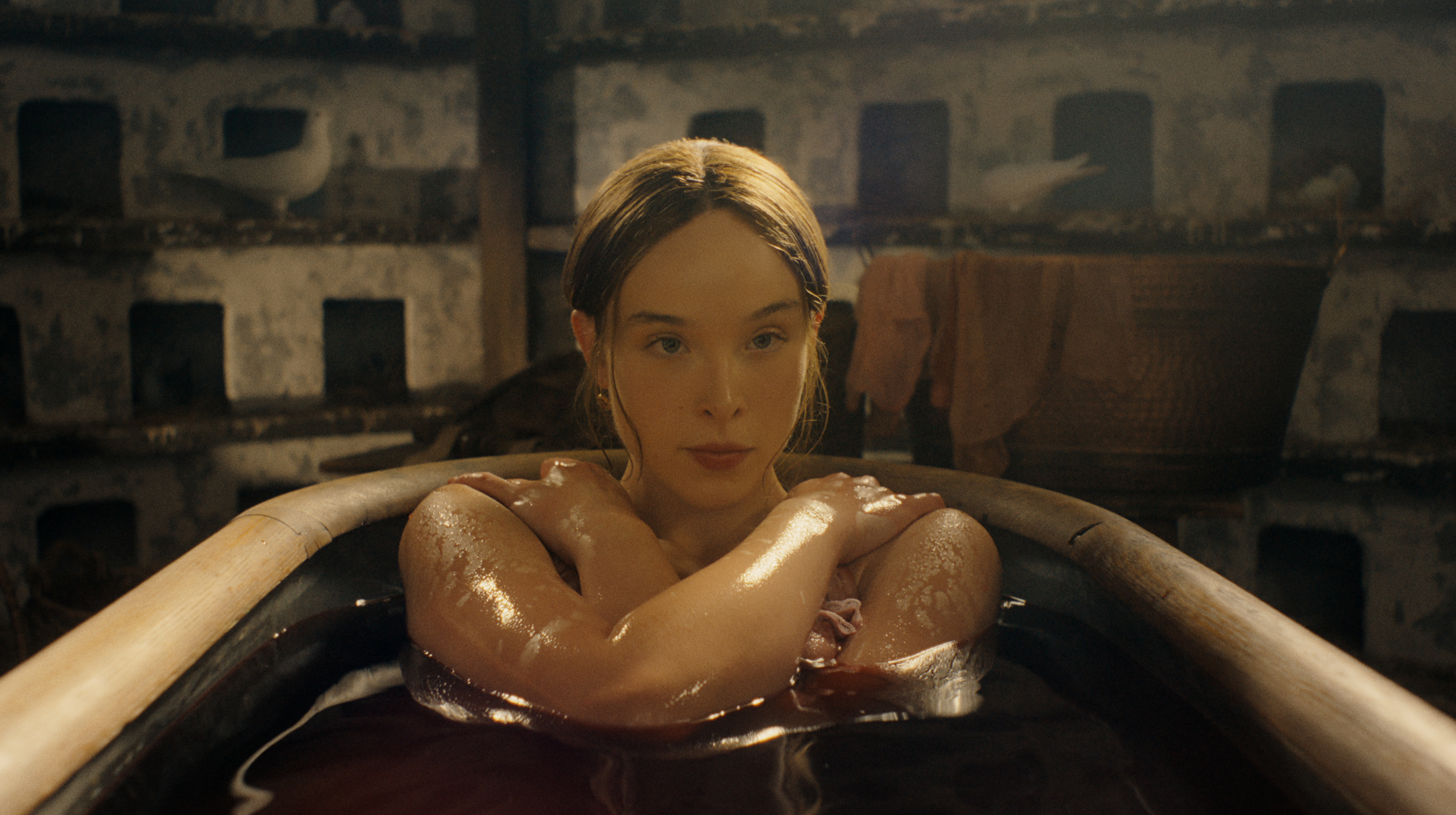
Ryan Murphy’s latest offering, Monster: The Lizzie Borden Story, premiered on Netflix on September 17, 2026. Featuring a star-studded cast, including Ella Beatty as the titular Lizzie Borden, along with Charlie Hunnam, Rebecca Hall, and Vicky Krieps, the series attempts to present a dramatic retelling of Borden's life, focusing heavily on themes of violence and female empowerment.
However, critics have been quick to label the show as a failure in its portrayal of feminism. The series tries to evoke a sense of female rage but ends up falling flat due to a lack of depth and nuanced storytelling. A review from The Hollywood Reporter points out that the narrative feels rushed and underdeveloped, akin to a student cramming for an exam. Rather than inviting viewers into a complex emotional landscape, it presents characters who are largely one-dimensional.
The series showcases talented performances; Beatty's portrayal of Lizzie captures a young woman trapped by circumstance, while Vicky Krieps plays Maggie, Lizzie's housemaid and confidante, who represents a catalyst for Lizzie's transformation. The review critiques the over-the-top performances of Hall and Hunnam as Lizzie’s parents, who are depicted as exaggerated caricatures rather than complicated individuals, thereby detracting from the story's potential emotional resonance. This superficial portrayal serves as a barrier to engaging viewing and fails to explore real motivations or consequences surrounding the characters’ actions.
While the show aims to connect Borden's story to that of historical female figures like Aileen Wuornos and Elizabeth Báthory, this connection feels forced and lacks coherence. Rather than enriching the narrative, these comparisons come across as gimmicks that dilute the experience rather than providing meaningful commentary on womanhood and violence. Critics have noted that this thematic mishmash seems more concerned with sensationalism than with delivering an authentic exploration of female empowerment.
The portrayal includes Taylor’s ambitious attempt to draw parallels between Lizzie's actions and those of other infamous female killers, suggesting a shared lineage of trauma and violence. Yet, this oversimplification results in a narrative void of substance, where Lizzie's drastic choices appear to lack real justification or exploration.
Initial reception to Monster: The Lizzie Borden Story has been divisive, questioning both its feminist credentials and its narrative integrity. Although no announcements have been made regarding future seasons or spin-offs, the show's critical reception suggests a reevaluation of how historical female figures are represented in modern media. Ryan Murphy's track record set high expectations, and the early reviews indicate a significant disconnect between audience anticipation and the resultant storytelling quality.
The crucial takeaway from the show is its embodiment of a divisive gap in current television narratives about historic female figures. Audience reactions could very well shape how future projects approach similar themes, underlining a pressing need for depth and authenticity in storytelling.
What this means: The reception of Monster: The Lizzie Borden Story serves as a crucial commentary on the ongoing struggle for authentic representations of female narratives on screen. As criticisms of the show highlight its complexity, future storytelling efforts may aim for more substantive discussions about the roles of women in both history and media.
Entertainment news
EpisodeBreakdown may use automated tools to assist research, drafting, and formatting. Published pages are governed by our editorial and corrections policies, and source links are shown when they are available in the article record.
Discovery source: The Hollywood Reporter. The source identifies where the topic was discovered; EpisodeBreakdown is responsible for the commentary published on this page.
Reader response
Reactions and poll results are based on real reader responses. No account is required.