Howard the Duck: Marvel's Bizarre Cinematic Debut
Dive into the legacy of Howard the Duck, Marvel's first bizarre cinematic experiment, exploring its themes, character decisions, and lasting impact.
Explore the least memorable films of 2026, examining missed opportunities in storytelling and character development.
In simple terms, the most prominent question surrounding the forgettable films of 2026 is: What makes a movie easy to forget? The answer often lies in a blend of uninspired storytelling, lackluster character development, and a failure to engage its audience. As we take a closer look at the films released so far this year, we discover a number of cinematic experiences that not only failed to leave a lasting impression but also missed opportunities to explore deeper themes or resonate with viewers.
This year has seen a myriad of blockbuster hits alongside an array of forgettable titles, and the contrasts have never been more pronounced. Here are some films that not only faded into obscurity but also illustrated a worrisome trend in contemporary cinema.
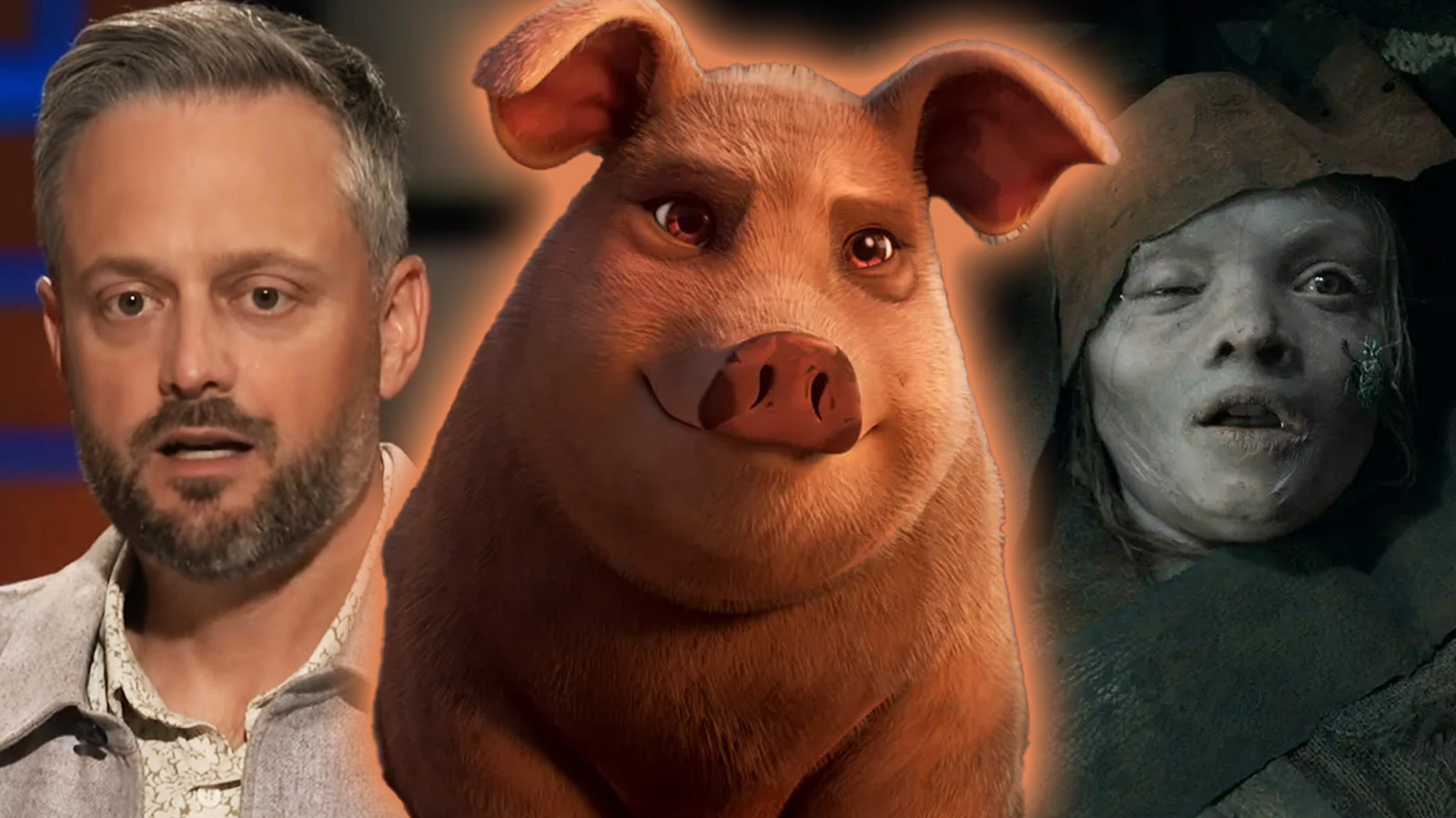
Several movies released in 2026 appeared to roll off the assembly line without any true investment in their narratives or characters. For instance, Andy Serkis' adaptation of Animal Farm was criticized for diluting the powerful messages of George Orwell's original novella.
Confirmed Events: The film is packaged as a light-hearted cautionary tale about communism, featuring a voice cast that includes notable actors like Seth Rogen and Jim Parsons. However, it is riddled with slapstick comedy that overshadows the narrative’s gravity.
Analysis: By attempting to make Orwell's themes more palatable through silly humor, the film not only confuses its target audience but also loses the very essence of what made Animal Farm a profound commentary on totalitarianism. The charmless execution leaves viewers wondering what could have been, as the creative potential was squandered.
Another film that exemplifies the downward trajectory of artistic ambition is Peter Farrelly's Balls Up. Despite its seemingly entertaining premise about marketing executives caught in an international incident, it devolves into a series of disjointed laughs.
Confirmed Events: Mark Wahlberg and Paul Walter Hauser lead in this low-effort chase comedy, which fails to elevate the crude humor to an enjoyable level. Despite the talented cast, the film feels lazy and repetitive.
Interpretation: This movie illustrates the troubling trend of relying on star power rather than substance. Instead of delivering clever comedy or insightful commentary, it feeds on easily digestible jokes, leaving viewers feeling unfulfilled. It serves as a reminder of the perils of vying for quick laughs over meaningful engagement.
Conversely, Nate Bargatze's The Breadwinner showcased another miscalculation in the transition from stand-up comedy to screenwriting. The film attempts to explore gender dynamics through a sitcom lens, putting the comedian in a role that ultimately stifles his talents.
Confirmed Events: In the movie, Bargatze's character must embrace the role of a stay-at-home dad, but the script falls back on tired tropes and predictable scenarios. While some mild laughs emerge, they feel recycled—applicable to his stand-up routines but not crafted expressly for this narrative.
Analysis: The film is a reminder that not all successful comedians transition well into other performance mediums, particularly when the script doesn't leverage their unique strengths. This is another instance where the potential for originality was overshadowed by unambitious writing.
The endeavor to capture the complexities of human emotion and experience also falters in Glen Powell's How to Make a Killing. With a story about a morally compromised heir, the film touts dark comedic elements but ultimately delivers a half-hearted message about capitalism.
Confirmed Events: The film presents moments of dark humor and thrills, but is bogged down by a script that fails to capitalize on its characters' potential complexities. The thesis feels under-explored, with elements of the story left hanging without resolution.
Interpretation: While the film tries to engage with weighty themes, it ultimately skims the surface without delving into deeper implications. The viewer is left wondering whether the dark humor could have been better grounded in character development, thus making the experience more relatable.
Moreover, Lee Cronin's The Mummy attempts to breathe new life into a franchise plagued with failure. Yet, it succumbs to formulaic horror tropes without establishing a distinct identity.
Confirmed Events: This installment is billed as “Lee Cronin's The Mummy”, attempting to separate itself from Universal’s past misfires—yet the film proves to be simply another entry in the line of uninspired horror.
Analysis: The movie exemplifies how a lack of originality can render a film forgettable, even when grounded in a recognizable franchise. By not offering fresh perspectives or engaging storytelling, viewers are left with a derivative experience that lacks any genuine thrills.
Ultimately, it's evident that these forgettable films of 2026 signal a larger trend in contemporary cinema—one that favors star power and formula over originality and depth. A flourishing industry thrives on risks and innovations that captivate audiences, yet many films fail to take creative leaps.
Instead, they represent missed opportunities for reflection and connection. From Animal Farm to How to Make a Killing, the disappointing outcomes raise questions about audience expectations and the responsibility of filmmakers to deliver engaging and meaningful content.
Confirmed Events: Each film could have harnessed its narrative potential to explore deeper themes or character complexities, yet they instead settle for uninspired clichés. This trend highlights the importance of maintaining high standards in storytelling, performances, and overall cinematic execution.
The forgettable films of 2026 demonstrate the dangers of complacency in filmmaking. As viewers grow more discerning, there is an increasing demand for authenticity and creativity. Future filmmakers must strive for stories that resonate and explore complex ideas, as the audience craves more than mere entertainment. For fans of cinema, this serves as a call to action for the industry to reclaim its commitment to storytelling excellence.
Through the analysis of forgettable movies, we witness the consequences of lackluster effort in an age where audiences eagerly engage with storytelling that reflects genuine artistry—be it indie films, blockbusters, or character-driven narratives.
In an environment alive with potential, these movies serve as a cautionary tale; the need for purposeful storytelling remains ever-present. As we anticipate the rest of 2026, it would be beneficial to hope for creative resurgence and resonance in future cinematic endeavors.
For more discussions on memorable cinema, check out our articles on Exploring the Most Suspenseful Thriller Movies of All Time and Exploring August 2026's New Streaming Movie Releases.
Movie explanation
EpisodeBreakdown may use automated tools to assist research, drafting, and formatting. Published pages are governed by our editorial and corrections policies, and source links are shown when they are available in the article record.
Discovery source: Slashfilm. The source identifies where the topic was discovered; EpisodeBreakdown is responsible for the commentary published on this page.
Reader response
Reactions and poll results are based on real reader responses. No account is required.