test
asdasd
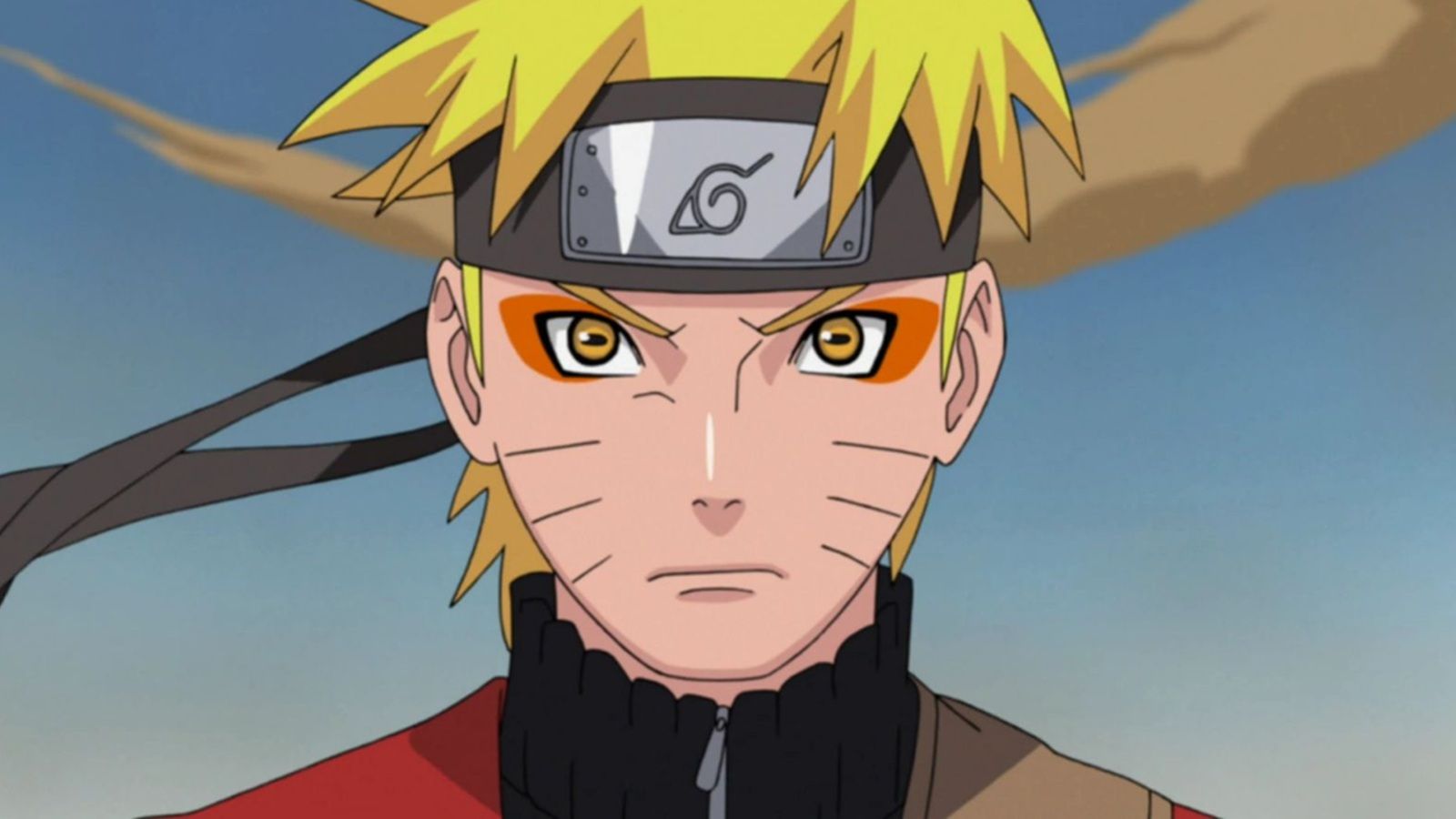
Explore the pivotal characters of Naruto: Shippuden whose emotional trajectories profoundly impacted the story.
Explore the franchise
The epic saga of Naruto: Shippuden is not just a tale of ninjas, jutsu, and battles; it’s a profound exploration of human emotion, relationships, and the trials of growing up. As the story unfolds, several key characters emerge who don't just populate the world of Naruto but carry significant emotional weight that resonates with fans. In this article, we delve into those central characters and their journeys, showcasing why they matter and how they shaped the narrative.
Naruto: Shippuden elevates its story through its complex characters, each bearing their own burdens and emotional arcs. From loss and redemption to love and sacrifice, these characters represent the heart of the series, making it a deeply relatable journey for viewers. Understanding their contributions enhances the overall experience of the series and sheds light on its themes of resilience and camaraderie.
Set two and a half years after the conclusion of the original Naruto series, Shippuden introduces older, more mature versions of beloved characters. The stakes are higher, the conflicts more intense, and the emotional landscapes richer. As Naruto Uzumaki seeks to bring back his friend Sasuke Uchiha and confront the ongoing threats to his village and allies, various other characters are presented with their own struggles, memories, and developments that add layers to the overall plot. The series explores the consequences of past actions, loss of loved ones, and the ache of longing and determination, all contributing to a compelling emotional framework.
Naruto Uzumaki: The titular character embodies perseverance and the desire for acceptance. His emotional journey, filled with loneliness, hope, and relentless determination to become Hokage, is a thread that ties the series together. His interactions with other characters amplify his growth, and his struggles with feelings of inadequacy and the burden of being the Nine-Tails' host reveal deep vulnerabilities.
Sasuke Uchiha: Arguably one of the most complex characters, Sasuke’s journey from a revenge-driven young ninja to one seeking redemption carries significant emotional weight. His internal conflict, loss of family, and quest for power illustrate the darker sides of ambition and the consequences of revenge.
Sakura Haruno: Initially viewed as a supporting character, Sakura’s evolution into a strong, pivotal figure showcases resilience and emotional depth. Her unyielding love for Sasuke, coupled with her growth as a kunoichi, portrays the struggles faced by women in a male-dominated world while offering a relatable representation of unrequited love and personal growth.
Kakashi Hatake: As Team 7's leader, Kakashi presents a blend of wisdom, humor, and tragic backstory that resonates with fans. His personal losses and experiences as a former Anbu contribute layers to his character, allowing him to guide younger ninjas with a wealth of experience, offering closure for his own past through his mentorship.
Obito Uchiha: Initially introduced as an antagonist, Obito’s emotional backstory adds depth to his character. His journey from beloved teammate to misguided villain showcases themes of loss, love, and the tragic consequences of a life lived in isolation, offering fans a ruthless yet poignant reflection on the importance of human connection.
Tobi/Obito: The tragic revelations surrounding Tobi add another layer to Shippuden’s narrative. His manipulations tie back to themes of pain and desire for peace, making him a character that evokes both anger and sympathy from the audience.
As of this writing, the emotional battles culminate in a grand finale where bonds forged through trials are tested in the face of ultimate sacrifice. The big cast of characters comes together to confront the personification of their collective fears and regrets. This crescendo doesn't just resolve plotlines but serves as a catharsis for the characters, allowing them to embrace their pasts and assert their desires for a peaceful future. The series crafts an ending that resonates with the overarching themes of healing, acceptance, and unity. While the conclusion provides closure, it also leaves a lingering sense of hope, indicating that the story, at its core, is about the journey rather than just the destination.
Based on available public metadata, various discussions within the anime community speculate about potential side stories or follow-ups that could further explore the lives of the next generation of ninja or perhaps provide deeper insights into the characters’ pasts. Considering the love for the franchise, opportunities for spin-offs or alternate media could delve deeper into personal stories of emotional recovery and the implications of the adventures witnessed throughout the series.
With Naruto celebrating its legacy through various commemorative events and recent discussions surrounding the impact of emotional storytelling in anime, fans are reflecting on the characters that shaped their experiences. The conversations are not just limited to nostalgia; they expand into discussions about the value of emotional honesty in storytelling, demonstrating how these characters have influenced a generation. The complexity of their emotional weight is being revisited in social media circles, fan art, and discussions in anime clubs across the globe, indicating that despite time passing, the emotional connections remain strong.
The emotional depth of Naruto: Shippuden is a testament to its characters’ journeys—each carrying burdens that resonate with viewers on a personal level. Their struggles with love, loss, and redemption reflect universal themes that contribute to the series’ timeless nature. As fans continue to discuss, analyze, and reflect on these characters, it’s evident that their emotional weight serves not just as a narrative tool but as a binding thread that connects communities, fostering a deeper appreciation for storytelling in anime.
Engaging with these characters enriches the viewing experience, highlighting the importance of raw emotion in understanding one's own journey as well as the journeys of those around them. Naruto’s world may be fictional, but its emotional truths resonate loud and clear.
Story breakdown
EpisodeBreakdown may use automated tools to assist research, drafting, and formatting. Published pages are governed by our editorial and corrections policies, and source links are shown when they are available in the article record.
Discovery source: CBR Anime. The source identifies where the topic was discovered; EpisodeBreakdown is responsible for the commentary published on this page.
Reader response
Reactions and poll results are based on real reader responses. No account is required.