10 Years Later, A Silent Voice Remains Anime's Heartbreaking Classic
Even a decade after its release, A Silent Voice continues to resonate as one of the most emotional anime films, according to ComicBook.com.
Naruto transformed anime fandom in the West 21 years ago, becoming a cornerstone thanks to its Toonami debut.
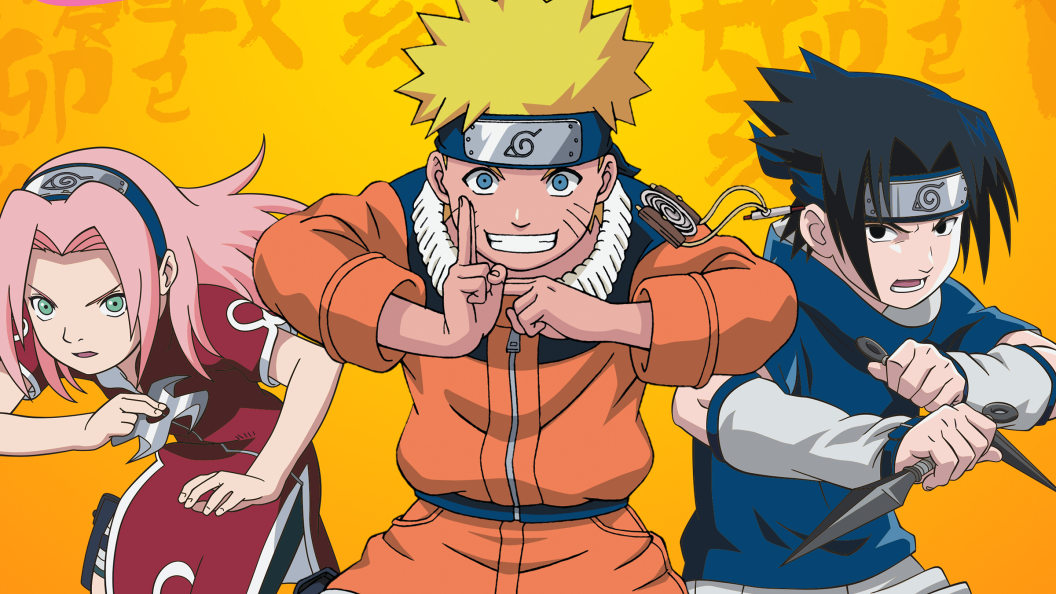
In a significant announcement reflecting on the profound impact of anime on Western culture, ComicBook.com reported the 21st anniversary of Naruto's debut on the Toonami programming block. This event, which first aired in September 2005, marked a turning point in how anime was consumed in North America, bringing the series into mainstream popularity.
Toonami, a late-night programming block on Cartoon Network, became a lifeline for anime fans in the early 2000s, featuring iconic series such as Gundam and Dragon Ball. The introduction of Naruto catalyzed a shift in the landscape of anime, welcoming a new audience to the genre and pushing it into the cultural spotlight.
Naruto, adapted from Masashi Kishimoto's manga, quickly established itself as a cornerstone of Shonen Jump's "Big Three," which includes Bleach and One Piece. Its moderate censorship compared to other anime at the time played a crucial role in its widespread acceptance and popularity among young viewers. The series resonated with audiences, climbing the charts to become a top-rated show among the 9-14 age demographic. Reports indicate it reached an impressive 572,000 viewers at its peak, with a notable 20% increase from initial ratings for Toonami.
Alongside its stellar ratings, Naruto also made waves in the literary realm, topping USA Today's bestseller list and winning the Quill Award for Best Graphic Novel in 2006 — a historic first for manga. This success translated into a surge of merchandise, with companies like Mattel releasing action figures based on popular characters such as Naruto and Neji.
While Naruto is known for its dynamic battles and captivating animation, its narrative depth is what truly set it apart from contemporaries. The story centers around Naruto Uzumaki, a boy burdened with a mysterious legacy, and his journey towards acceptance and self-love. Initially isolated, his character arc emphasizes themes of friendship and perseverance — elements that resonate deeply with viewers, fostering a sense of connection to the show.
The series features an ensemble cast, including iconic characters like Sasuke Uchiha and Sakura Haruno, with each character receiving ample development. This thoughtful pacing allows for varied storytelling dynamics within Team 7, making every character relatable and impactful. This approach has contributed to Naruto's lasting appeal and loyal fanbase.
As Naruto celebrated its anniversary, the anime industry continued to reflect its influence. Its debut paved the way for other series aiming for similar success, exemplified by Bleach, which followed in 2006, targeting the same teen viewership. The widespread acceptance of Naruto transformed the content strategy for networks like Cartoon Network and Adult Swim, prioritizing edgier, teen-oriented programming in the wake of its success.
To underline Naruto's contemporary relevance, recent announcements suggest that the franchise is set to make a comeback with new releases, further cementing its legacy in the anime world.
The impact of Naruto on anime fandom cannot be overstated. Its groundbreaking debut on Toonami transformed viewer expectations and altered the landscape for anime programming in the West. As the series continues to evolve through new projects, it serves as a reminder of how pivotal moments in media can shift cultural perceptions and create lasting connections with audiences.
For further insights, check out our articles on the upcoming Naruto movie announcement and the live-action revival plans.
Entertainment news
EpisodeBreakdown may use automated tools to assist research, drafting, and formatting. Published pages are governed by our editorial and corrections policies, and source links are shown when they are available in the article record.
Discovery source: ComicBook.com. The source identifies where the topic was discovered; EpisodeBreakdown is responsible for the commentary published on this page.
Reader response
Reactions and poll results are based on real reader responses. No account is required.