DC's Jack Knight: The Beloved '90s Superhero Nobody Wanted to Be
Discover the story behind Jack Knight, DC's iconic '90s superhero who epitomized the era's slacker culture. Created by James Robinson, his character-driven tales captured a generation.
Explore the complex motivations and character arcs in 'Neon Genesis Evangelion: Death and Rebirth'. Delve deep into the psychological struggles and thematic elements that define key characters.
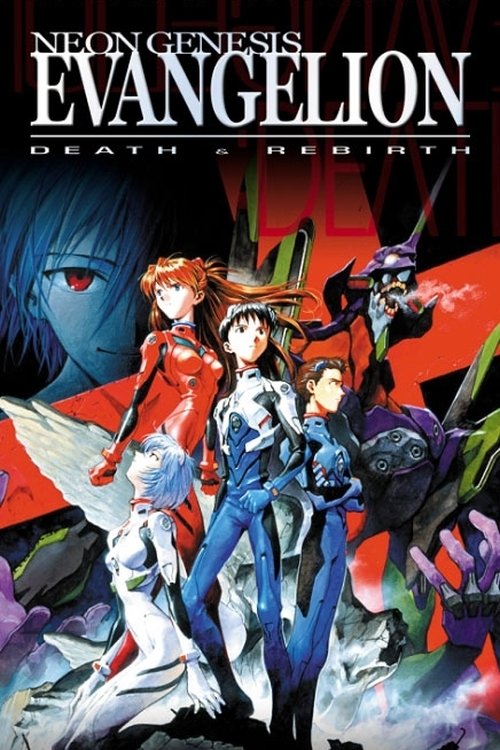
In the rich tapestry of anime history, "Neon Genesis Evangelion" stands as a pivotal work, reshaping the landscape of storytelling in the genre. The feature film "Death and Rebirth" serves as both a retrospective of past events and a foundation for the revised narrative direction the series intended to take. Through the lens of its complex characters, we explore what makes these figures so memorable, unraveling their motivations, conflicts, and arcs that resonate on a psychological level.
"Neon Genesis Evangelion: Death and Rebirth" is a unique film that combines various clips from the original TV series with newly crafted scenes aimed at elaborating on the emotional and psychological themes of the story. Although initially intended as a re-imagined conclusion to the series, the film ended up as a bridge to the sequel, "The End of Evangelion." The characters featured in it are layered, representing various aspects of human emotion and consciousness, and their journeys are pivotal to understanding the overarching narrative.
"Death and Rebirth" serves as a crucial juncture in the overall narrative. Originally derived from the TV series, the movie seeks to distill and revisit the key themes and events that define the characters’ arcs. Set within a post-apocalyptic world dominated by mysterious beings known as Angels, the protagonists grapple with their own personal demons while attempting to save humanity. The film breaks down to highlight the characters’ internal struggles, relationships, and the existential crises that symbolize broader human themes.
Shinji Ikari: The central character of the narrative, he embodies the themes of isolation and self-doubt. His reluctance to accept his role as a pilot is juxtaposed with his intense desire for connection. Throughout the film, viewers witness his struggle between a fear of rejection and a longing for approval, which governs many of his actions.
Rei Ayanami: A mysterious and emotionally detached character, Rei serves as a focal point of both intrigue and emotional depth. Her origin and connection to Shinji reveal profound themes surrounding identity and self-awareness. Her evolution throughout the film reflects a growing understanding of human emotion.
Asuka Langley Soryu: Asuka represents complexity and conflict. Her brash exterior masks deep-seated insecurities and a desperate need for validation. The interplay between her fierce independence and her vulnerabilities creates a compelling emotional dynamic, especially in her interactions with Shinji.
Gendo Ikari: Shinji’s father, Gendo serves as an antagonist, driven by his own quest for power and control. His motivations are rooted in personal loss and the desire to reshape humanity, providing a critical foil to Shinji’s journey.
Misato Katsuragi: Serving as a commander, Misato balances her responsibilities with her own emotional burdens. Her role critiques traditional notions of authority and vulnerability, as she navigates the challenges of leading the fight against the Angels while coping with her past.
These characters collectively explore complex themes of connection, alienation, and the search for identity, each contributing to the layered narrative of the film.
As "Death and Rebirth" progresses, it builds tension leading up to what was intended to be a distinct ending. However, due to production challenges, the film concludes before reaching a complete narrative resolution, setting the stage for "The End of Evangelion." While the film delves into the emotional states of the characters, it leaves audiences poised for the exploration of whether personal redemption is possible.
Post the events in "Death and Rebirth," fans speculate how the subsequent developments in "The End of Evangelion" will address the unresolved emotional and narrative arcs, particularly concerning Shinji's choices. The anticipated journey further delves into existential questions, exploring the themes of individual desire against collective responsibility, and how these will impact the characters' futures.
"Neon Genesis Evangelion: Death and Rebirth" has gained renewed interest due to its profound impact on anime and storytelling, with audiences reflecting on its psychological themes and character developments. Fans are drawn to the depth of each character's journey, stimulating discussions about identity, anxiety, and relationships in the context of an increasingly complex world. This resurgence is indicative of anime's broader influence on global storytelling, capturing new generations eager to understand its layers.
The intricacies of "Neon Genesis Evangelion: Death and Rebirth" need to be appreciated in the context of its characters and their emotional landscapes. As an exploration of the human condition, the film invites audiences to engage with themes that resonate well beyond its narrative, prompting reflections on personal and societal struggles. This depth is a testament to why the series remains a cornerstone of modern anime.
The film explores themes such as identity, alienation, personal struggle, and the complexities of human relationships, all within a richly constructed narrative framework.
It serves as a bridge between the original TV series and the feature film "The End of Evangelion," revisiting essential character arcs and emotional struggles.
Shinji, Rei, Asuka, Gendo, and Misato are key figures whose personal journeys and psychological conflicts shape the storyline significantly.
The series tackles universal themes through complex characters, providing a narrative that resonates well with contemporary emotional and psychological issues, attracting new audiences along with longstanding fans.
Character guide
EpisodeBreakdown may use automated tools to assist research, drafting, and formatting. Published pages are governed by our editorial and corrections policies, and source links are shown when they are available in the article record.
Discovery source: TMDB. The source identifies where the topic was discovered; EpisodeBreakdown is responsible for the commentary published on this page.
Reader response
Reactions and poll results are based on real reader responses. No account is required.