test
asdasd
Dive deep into the complex conclusion of 'Saga of Tanya the Evil' as we explore its themes, character arcs, and lingering questions.
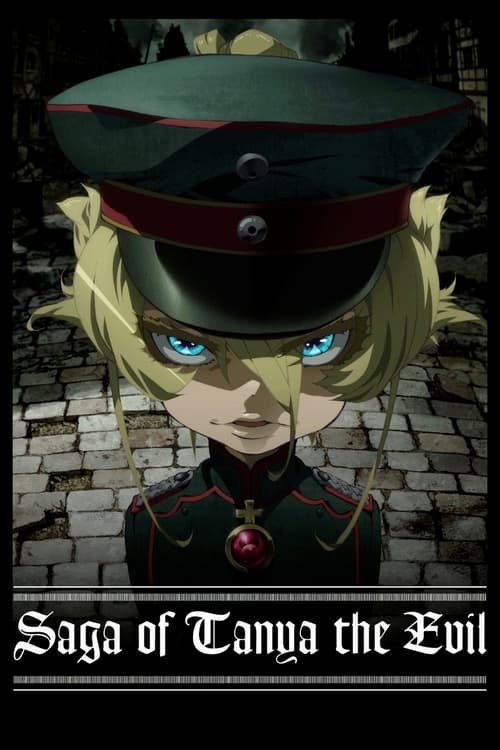
The world of Saga of Tanya the Evil presents a unique blend of fantasy, military strategy, and deep philosophical questions surrounding faith and morality. Centered around the infamous Tanya Degurechaff—a reincarnated salaryman turned ruthless leader—the series takes viewers on a tumultuous journey through magical warfare. In this analysis, we’ll unpack the various meanings and implications of the series' conclusion, addressing fans' lingering questions.
In a war-torn world filled with magic and strategical conflicts, Tanya Degurechaff commands her unit with unparalleled skill and cunning. Though she appears as an ordinary girl, her past as a corporate executive fuels her ruthless ambition. The series culminates in an intense finale that deftly challenges the concepts of power, fate, and divine intervention.
Originally airing on January 6, 2017, Saga of Tanya the Evil quickly gained popularity due to its engaging plot and complex characters. Tanya is depicted as a formidable leader, often clashing with powerful enemies while navigating her own moral compass. The intertwining themes of war, survival, and the presence of a god-like entity add layers to the narrative, prompting viewers to rethink traditional concepts of good and evil. Since fans are eager for clarity on the series' ending, understanding the contexts leading up to it is key to grasping its deeper meanings.
The finale of Saga of Tanya the Evil encapsulates the central conflict between Tanya and the divine being who reincarnated her. The concluding events illustrate Tanya’s struggle for autonomy against a force that seems intent on governing her fate. In her relentless pursuit of power, she continually questions the morality of her actions and the larger existential questions of a universe governed by a vengeful god.
Tanya's climax comes when she faces overwhelming obstacles that force her to confront the ethical implications of her choices amidst a war fueled by magical might. The open-ended nature of the finale leaves viewers pondering the balance between ambition and reckoning, making it a profound commentary on ambition in a world governed by unnatural forces.
Given the unresolved narrative threads, fans speculate on several possible directions for future installments. Will Tanya finally confront the being known as God? Will her military tactics escalate further, leading to new alliances or betrayals? Furthermore, the exploration of Tanya's internal conflict between her past life and current existence could pave the way for character growth or transformation in subsequent narratives.
Interest in Saga of Tanya the Evil has surged due to ongoing discussions around its philosophical themes and character dynamics. Followers of the series are increasingly engaging in debates online about the implications of the finale, sharing interpretations of Tanya's moral quandaries and the narrative's exploration of autocracy versus divinity. The unique blend of military strategy and magical elements continues to attract viewers who are drawn to its complex narrative structure.
The ending of Saga of Tanya the Evil invites fans to ponder the complexities of fate and ambition. Tanya's story is as much about the horrors of war as it is about the drives that push individuals to power. It serves as a testament to the human spirit’s resilience, even against cosmic forces. While the conclusion leaves questions unanswered, it enriches the ongoing discourse surrounding the series, ensuring its place in the anime canon for years to come.
Q: What are the main themes of Saga of Tanya the Evil?
A: Major themes include ambition, faith, the morality of war, and the nature of divine intervention.
Q: Is there a sequel planned for Saga of Tanya the Evil?
A: As of now, there has been no official announcement regarding a sequel.
Q: How does the ending impact Tanya's character arc?
A: The ending forces Tanya to reckon with her choices, highlighting her complex character and the consequences of her ambition.
Q: Why has the series gained such a large following?
A: Its unique blend of genres, complex characters, and rich thematic content resonate with a wide audience, encouraging ongoing discussions.
Q: What makes Tanya a compelling character?
A: Her transformation from a salaryman to a tactical leader juxtaposed with her moral dilemmas makes her an intriguing and multidimensional character.
Ending explanation
EpisodeBreakdown may use automated tools to assist research, drafting, and formatting. Published pages are governed by our editorial and corrections policies, and source links are shown when they are available in the article record.
Discovery source: TMDB. The source identifies where the topic was discovered; EpisodeBreakdown is responsible for the commentary published on this page.
Reader response
Reactions and poll results are based on real reader responses. No account is required.