
DC's Jack Knight: The Beloved '90s Superhero Nobody Wanted to Be
Discover the story behind Jack Knight, DC's iconic '90s superhero who epitomized the era's slacker culture. Created by James Robinson, his character-driven tales captured a generation.
Explore the complex motivations and character arcs in 'Neon Genesis Evangelion: The End of Evangelion.' Delve into the struggles and psychological depths of each character as they navigate a world on the brink of transformation.
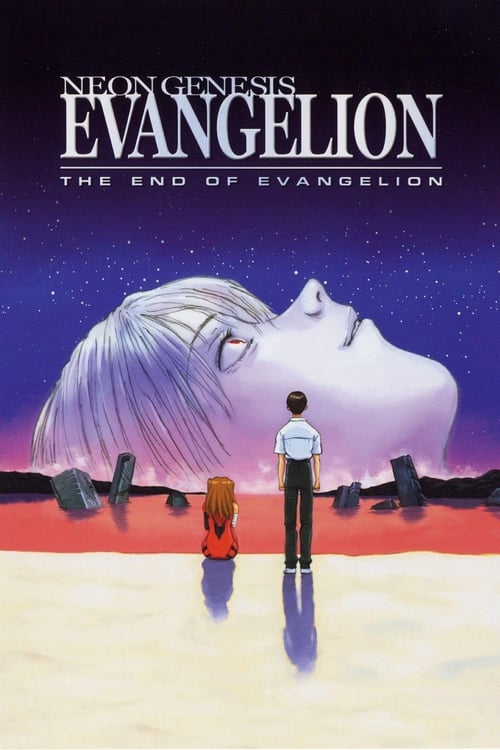
In the intricate world of Neon Genesis Evangelion, the characters are not just participants in the action, but their complex inner struggles drive the narrative forward. The End of Evangelion serves as a culmination of each character's journey, showcasing their motivations and the existential crises they face amid apocalyptic events. Here, we’ll unravel these character arcs, shedding light on what motivates them and how they contribute to the overarching themes of the series.
Neon Genesis Evangelion: The End of Evangelion revisits familiar characters while also pushing them into profound psychological territory. The narrative centers on Shinji Ikari as he grapples with his role in a battle against SEELE's machinations and his own oppressive feelings of inadequacy and isolation. The film not only confronts the battle for humanity's survival but also explores the very fabric of human connection and the existential dread that often complicates it.
The backdrop of The End of Evangelion is the Human Instrumentality Project, a scheme orchestrated by SEELE to forcibly merge all of humanity into a singular existence. This brings forth the climactic confrontation where NERV, led by Gendo Ikari, fights against SEELE’s ruthless tactics. As the conflict escalates, Shinji finds himself at the center of a psychological struggle, not just against external enemies, but against his own perceptions and fears.
Shinji is the young protagonist whose journey embodies the struggle for acceptance and meaning. His internal battles are highlighted as he faces immense pressure to pilot the Evangelion and confront his father, Gendo. His motivations shift between seeking approval and the intense desire to escape pain, often leading him into self-destructive patterns.
As the mastermind behind many of the series' events, Gendo seeks to utilize the Human Instrumentality Project for ostensibly noble reasons—bringing back Yui, his deceased wife. However, his motivations are often tainted by manipulative tendencies, showcasing a complex blend of paternal love and selfish desire that complicates his relationships, especially with Shinji.
Rei serves as a mysterious figure intertwined with both Gendo’s and Shinji’s lives. As both a pilot and a clone, her existence raises questions about identity and humanity. Her passive demeanor masks deeper layers of motivation, especially as the film progresses and her views on individuality begin to develop.
Asuka's fierce exterior is a front for her vulnerabilities. Her motivations are deeply tied to her need for validation and recognition, stemming from childhood trauma. As she clashes with Shinji and grapples with her own identity and self-worth, her character arc becomes one of the most poignant in the film.
Kaworu presents a contrasting perspective on existence and connection. As a being born from a different lineage, he represents the ideal of unconditional acceptance. His relationship with Shinji stands out as a source of comfort and hope amid chaos, making their interactions crucial to understanding Shinji's emotional landscape.
While specific details of the film's ending remain elusive, it's clear that the culmination of emotional and psychological arcs leads to a resolution that challenges traditional storytelling. The characters must confront their fears and demons, and how they respond to this collective struggle will influence the direction of humanity’s fate.
As The End of Evangelion leaves viewers with open questions about humanity and connection, future narratives in the universe may explore the aftermath of the events portrayed. The concept of rebuilding not only society but also the fragile connections between individuals could be further examined. Additionally, the implications of the Human Instrumentality Project could enable the introduction of new characters and narratives that delve into different aspects of existence within this universe.
The ongoing resonance of Neon Genesis Evangelion within pop culture continues to captivate audiences, evidenced by rising discussions around its characters, themes, and the philosophical questions it raises. As anime and film enthusiasts delve deeper into character analyses, The End of Evangelion serves as a focal point for examining complex narratives and emotional depth, making it a trending topic among series fans.
Neon Genesis Evangelion: The End of Evangelion stands as a profound exploration of the human psyche. By understanding each character's motivations and arcs, viewers gain insight not only into their personal struggles but also the universal themes of connection, isolation, and the quest for purpose. As audiences continue to engage with these rich characters, the film remains a compelling subject of discussion in the realms of anime and cinema alike.
What makes Shinji Ikari a compelling protagonist?
Shinji's journey is relatable; his struggles with self-worth and acceptance resonate with many individuals, making him a deep and multi-dimensional character.
How does Gendo Ikari's motivations affect the story?
Gendo’s complex motivations drive much of the conflict and influence the actions of other characters, providing layers to the narrative that extend beyond his father-son relationship with Shinji.
Is the relationship between Shinji and Kaworu significant?
Yes, it highlights themes of unconditional acceptance and emotional connection amidst chaos, serving as a critical anchor in Shinji’s turbulent journey.
Character guide
EpisodeBreakdown may use automated tools to assist research, drafting, and formatting. Published pages are governed by our editorial and corrections policies, and source links are shown when they are available in the article record.
Discovery source: TMDB. The source identifies where the topic was discovered; EpisodeBreakdown is responsible for the commentary published on this page.
Reader response
Reactions and poll results are based on real reader responses. No account is required.