test
asdasd
Netflix's adaptation of A Series of Unfortunate Events offers viewers a mix of whimsy and deep moral quandaries, deserving a rewatch.
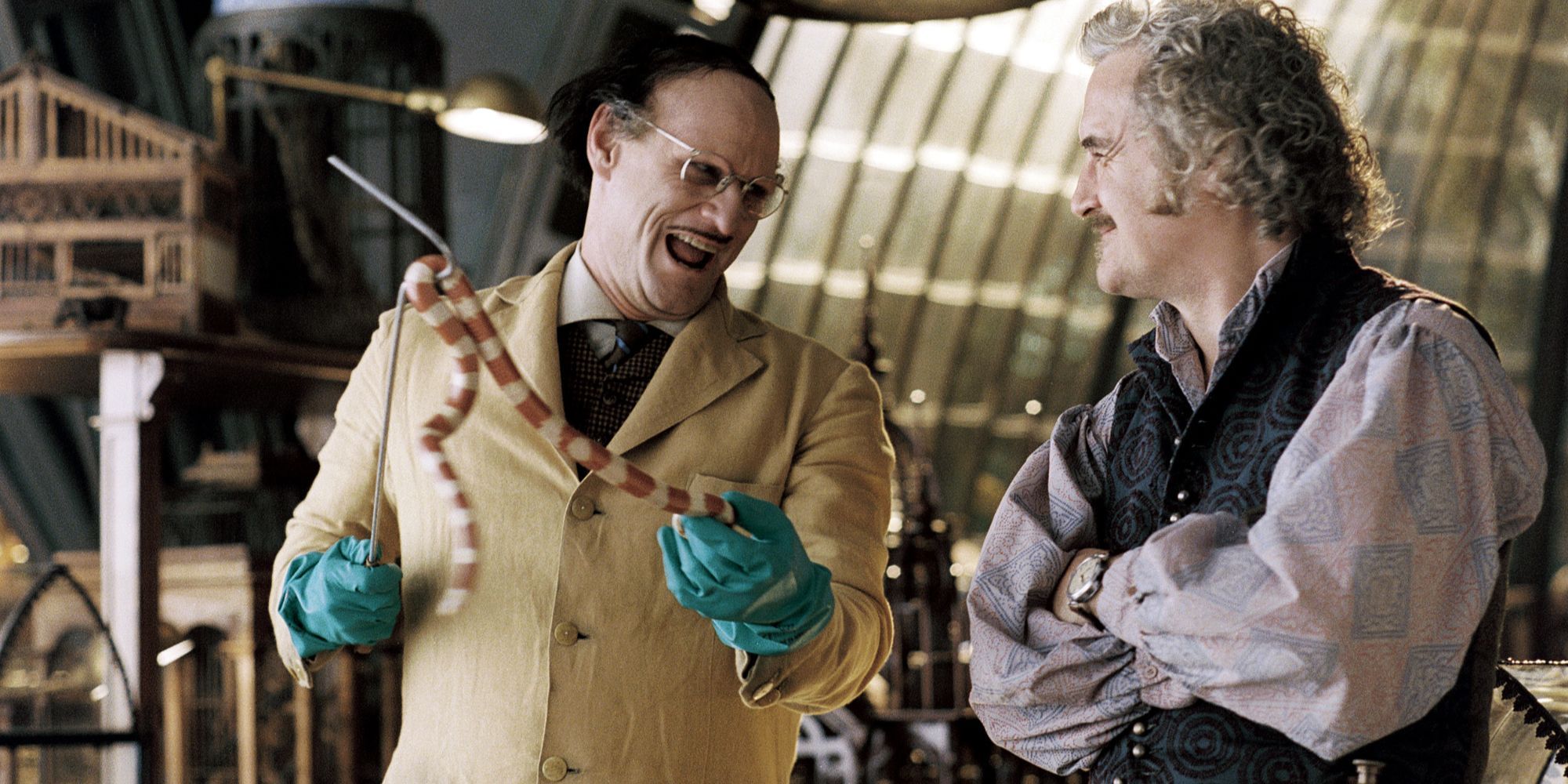
In simple terms, Netflix's adaptation of A Series of Unfortunate Events is gaining renewed attention for its unique storytelling and rich layers of complexity. Announced by Collider on August 3, 2026, the series is noted not just for its faithful interpretation of Lemony Snicket's beloved books but also for the existential themes it explores against a backdrop of black comedy. The series stars Patrick Warburton as Lemony Snicket, guiding viewers through the woeful journeys of the Baudelaire orphans — Violet, Klaus, and Sunny — in their battle against the villainous Count Olaf.
Collider emphasizes that A Series of Unfortunate Events triumphs as an adaptation, surpassing the largely unsuccessful 2004 film. In the series, the Baudelaires face an unending cycle of unfortunate events, each caretaker they encounter leads to comical incompetence, and Count Olaf's disguises become increasingly absurd yet sinister. This whimsical, visually striking presentation masks a deeper narrative on morality and choice that resonates with both young and older audiences.
The series straddles the line between dark comedy and profound philosophical inquiry, encouraging viewers to confront complex moral issues rather than providing simple resolutions. This layered approach enables the show to appeal to a broad audience, enticing both fans of the original books and those looking for an intellectually satisfying viewing experience.
At its core, A Series of Unfortunate Events challenges traditional notions of good and evil. The characters grapple with difficult questions surrounding nobility and morality. For example, in the final season, the orphans meet Fernald — Count Olaf's henchman — who illustrates the complexities of human behavior when he commits a wrong act for what he believes to be a noble cause. The series encourages viewers to ponder: can one be noble while also committing wicked acts?
The storytelling is layered with sardonic humor, making it both entertaining and thought-provoking. As the Baudelaire orphans navigate through their calamities, viewers witness their growth and development in understanding that morality exists on a spectrum, challenging binary perceptions of right and wrong.
While the show initially garnered a substantial following, its value may not fully have been recognized until now. Viewers, particularly older ones, are encouraged to revisit A Series of Unfortunate Events for its intricate narrative that offers new insights. Reflecting on moral ambiguities and complexities in human character, the adaptation reveals that the world is not merely composed of heroes and villains but rather a mix of both.
Ultimately, the series is not only a whimsical black comedy but a reflection of life’s uncertainties and the choices we make, which makes it resonate with viewers of all ages.
The growing recognition of A Series of Unfortunate Events suggests that types of storytelling focusing on moral complexity can thrive in children's media. As audiences reevaluate the series, it could pave the way for more intricate adaptations in entertainment, showing that even stories labeled for younger viewers can delve into deeper philosophical themes. Notably, the exploration of morality is particularly timely as society continues to grapple with complex ethical dilemmas in real life.
For more on the evolving landscape of storytelling, check out our articles on Crunchyroll's Black Torch Shapes Jiro Azuma as Shonen Hero as well as Phil Collins Opens Up About Life-Threatening Alcohol Abuse.
Entertainment news
EpisodeBreakdown may use automated tools to assist research, drafting, and formatting. Published pages are governed by our editorial and corrections policies, and source links are shown when they are available in the article record.
Discovery source: Collider. The source identifies where the topic was discovered; EpisodeBreakdown is responsible for the commentary published on this page.
Reader response
Reactions and poll results are based on real reader responses. No account is required.