‘Paper Tiger’ and ‘Musk’ Documentary Featured at 2026 SFIFF
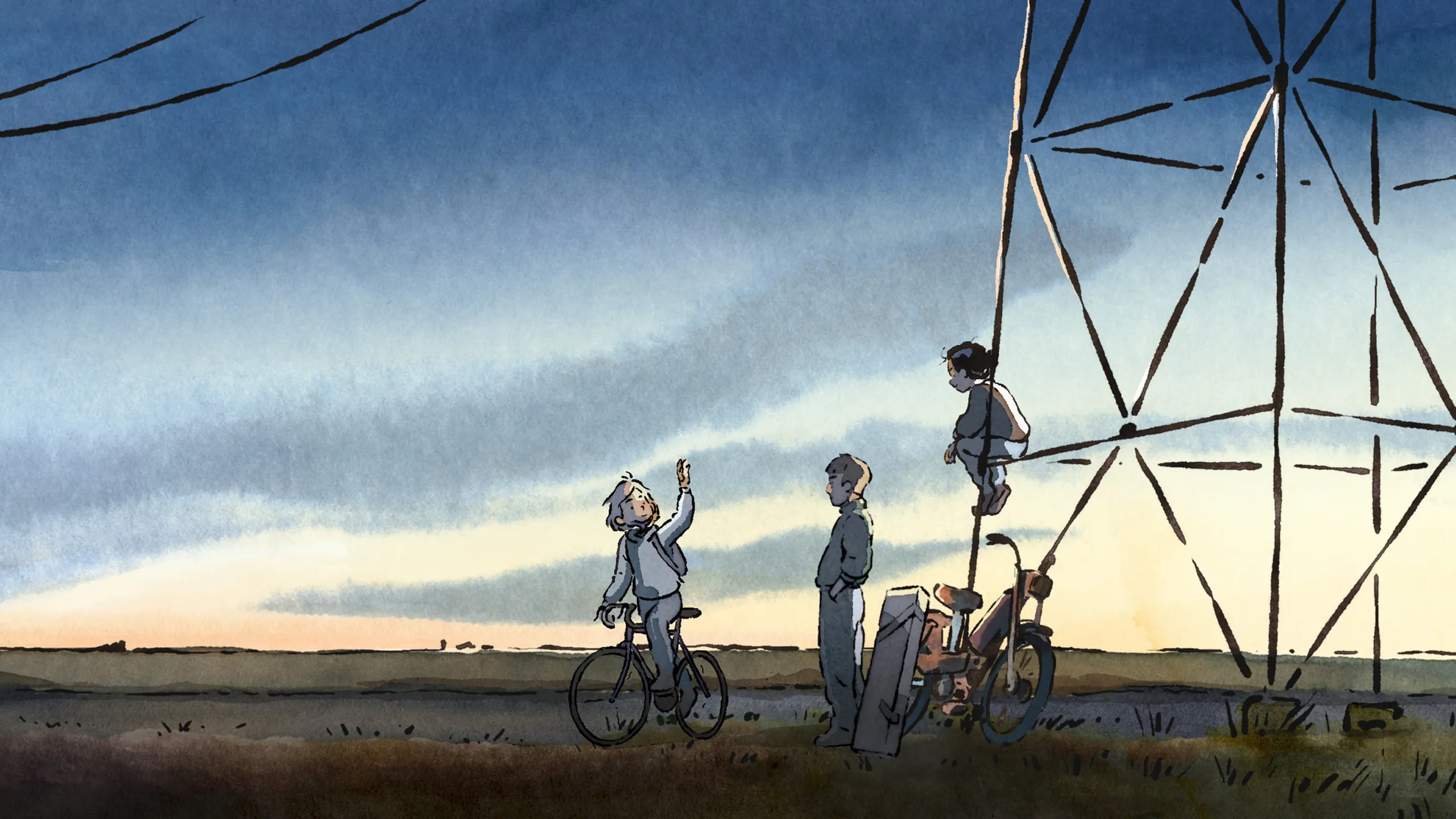
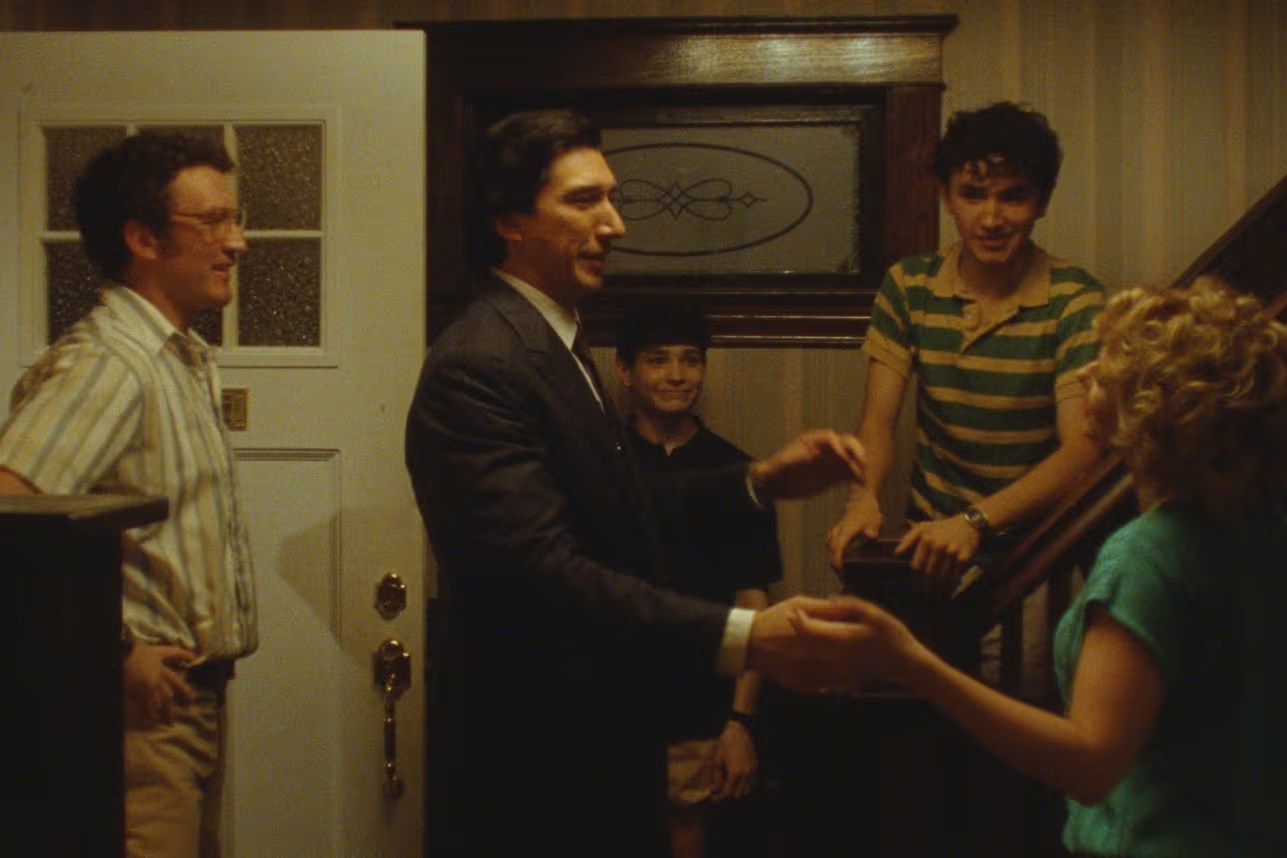
The 2026 Santa Fe International Film Festival showcases key titles including 'Paper Tiger' and 'Musk', marking an exciting lineup for this year.
Nick Offerman responds to Ben Shapiro's critique of his role in 'The Last of Us' with strong comments on homophobia.
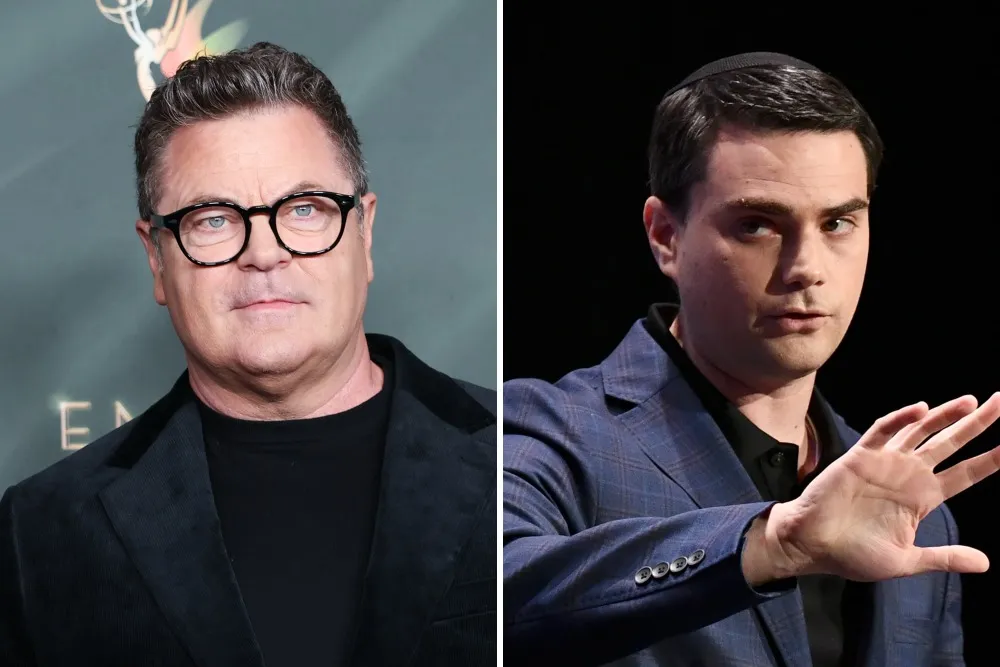
In a recent appearance on the podcast Talk Easy With Sam Fragoso, actor Nick Offerman expressed his displeasure regarding comments made by Ben Shapiro, co-founder of The Daily Wire. Shapiro had criticized Offerman's portrayal of a gay character in HBO’s acclaimed series The Last of Us. Offerman's comments were first reported by Variety on September 8, 2026.
Shapiro, in a video that Offerman saw for the first time, labeled the episode showcasing Offerman's character as having "no zombies, no real threat," focusing instead on a romantic relationship between two men. Offerman was taken aback by Shapiro's remarks, stating, "Holy shit... that's crazy," before elaborating on what he deemed Shapiro's "rampant homophobia" and inaccuracies in his interpretation of the plot.
Nick Offerman played a significant role in the episode titled "Long, Long Time," which diverged from the main narrative to emphasize a poignant love story across a post-apocalyptic setting. This episode has been met with critical acclaim, praised for its emotional depth and storytelling. However, some critics, including Shapiro, have voiced disapproval, particularly surrounding its focus on a same-sex relationship.
The episode's portrayal of love in dire circumstances proved to be a point of contention for audiences divided on the representation of LGBTQ+ narratives in mainstream media. Critics and viewers alike have lauded the episode, forging a space for meaningful conversations about love and acceptance.
In prior comments to Variety, Offerman addressed the toxic backlash he receives online for portraying a gay character. He emphasizes the importance of tuning out negativity, stating, "you can’t navigate life steering by Twitter trolls." His proactive dismissal of harmful comments reflects a commitment to his values and the storytelling craft, positioning him as a figure of resilience against criticism.
Additionally, at the Independent Spirit Awards, Offerman remarked on the bravery required for networks like HBO to create LGBTQ+ stories, encouraging narratives that defy bigotry. He articulated that stories should focus on love rather than be pigeonholed into narrow definitions based on orientation. His acceptance speech highlighted the importance of such narratives in today’s society, which still faces significant challenges regarding acceptance and understanding of LGBTQ+ individuals.
Offerman's encounter with Shapiro continues to fuel discussion on LGBTQ+ representation in media, especially within high-profile productions. While The Last of Us has garnered accolades, the response from certain critics shows that the journey toward acceptance is ongoing. Offerman's public denouncement of Shapiro's views also amplifies the conversation around the responsibilities of creators in portraying diverse narratives.
Both Offerman and Shapiro represent more than just opposing viewpoints on a single episode; they embody the broader societal discourse surrounding acceptance and representation in contemporary media. As visibility for LGBTQ+ stories increases, there remains an ongoing battle against prejudice and misunderstanding.
Offerman continues to stand by his portrayal in The Last of Us, reinforcing his commitment to telling authentic stories regardless of backlash. This incident has drawn attention to both the critical reception of LGBTQ+ narratives and the backlash they can provoke, reinforcing the need for advocating acceptance and understanding in artistic expressions.
For now, Offerman remains focused on his work and the larger message behind his role, continuing to inspire discourse on the importance of representation in entertainment.
Entertainment news
EpisodeBreakdown may use automated tools to assist research, drafting, and formatting. Published pages are governed by our editorial and corrections policies, and source links are shown when they are available in the article record.
Discovery source: Variety. The source identifies where the topic was discovered; EpisodeBreakdown is responsible for the commentary published on this page.
Reader response
Reactions and poll results are based on real reader responses. No account is required.