test
asdasd
Explore the themes and character choices of the most influential Nickelodeon shows from the '90s, a decade that shaped children's television.
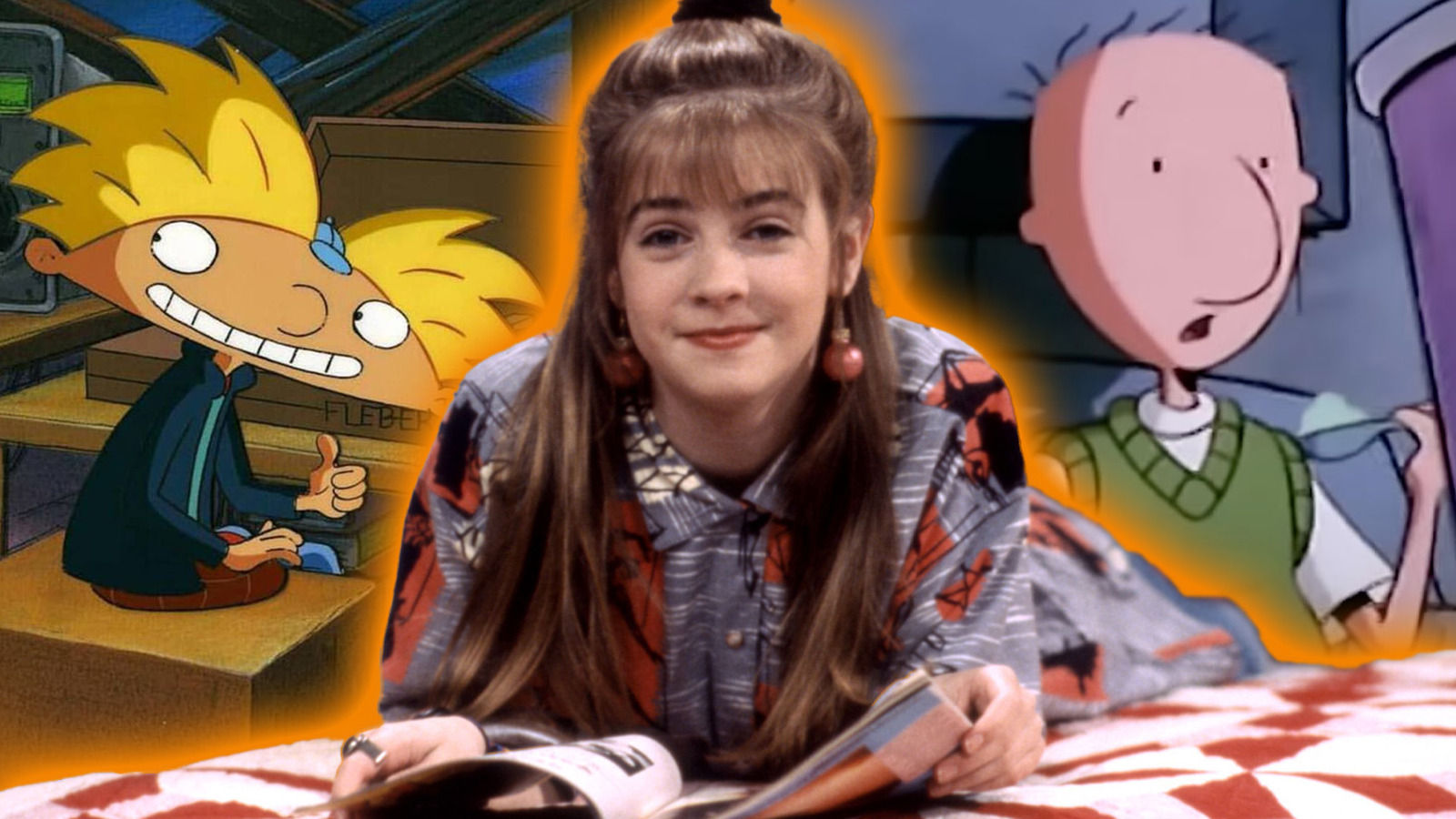
In simple terms, the central question surrounding Nickelodeon’s most beloved shows of the '90s is: How did they shape the landscape of children's television? The answer lies in their unique blend of irreverent humor, relatable characters, and groundbreaking themes that went beyond mere entertainment. Each of these programs left an indelible mark not just on childhoods, but on the evolution of TV programming aimed at young audiences.
Nickelodeon's '90s lineup gave rise to a new era of kids' TV that resisted the traditional norms of children's content. These shows challenged societal expectations by portraying complex narratives and characters, enabling children to see themselves reflected in varied experiences. Below, we delve into the standout programs of this era and analyze how they pushed boundaries and created lasting legacies.
One cornerstone of Nickelodeon’s success was its daring approach to storytelling. Series like "Clarissa Explains It All" broke new ground by centering on a teenage girl’s perspective. Clarissa's character, portrayed by Melissa Joan Hart, directly addressed the audience, providing insights into her internal monologue, which was a refreshing change from the typical narratives. This authenticity resonated with many viewers and made the teenage experience accessible and relatable.
In contrast to simplistic portrayals of youth, Clarissa offered depth, encouraging young girls to embrace their opinions and interests. This show laid the groundwork for future female-led programs on Nickelodeon.
Animation on Nickelodeon during this period was characterized by its eccentricity. Shows like "The Ren & Stimpy Show" and "CatDog" embodied this radical approach, featuring surreal humor mixed with shocking visual style. Ren & Stimpy’s absurdity paved the way for wild, innovative animation that influenced countless adult-oriented shows decades later. The program's willingness to dive into grotesque humor and bizarre scenarios helped cement its position as a groundbreaking form of animated comedy.
On the other hand, CatDog presented a unique take on familial bond and co-dependency through its portrayal of two distinctly different characters fused together. It explored the theme of obligation versus desire, enriching the comedic narrative with an emotional core.
Nickelodeon also shone a spotlight on experiences of adolescence, as seen in "Doug" and "Hey Arnold!" Both shows provided a more thoughtful reflection on growing up. Doug, through its introspective diary format and focus on mundane childhood worries, invited kids to confront their insecurities. The character Doug Funnie often navigated the complexities of school life, showcasing the emotional peaks and valleys of youth with sincerity. Knowing this, we can understand why Doug resonated deeply, even as it differed from the more frenetic pace of other Nicktoons.
Hey Arnold!, meanwhile, took a similarly grounded route, adapting elements of realism within its unique urban setting. Arnold’s adventures included relatable themes of friendship, family, and resilience in a diverse community. The depiction of the working-class life in a city filled with eccentric characters added layers to its storytelling, appealing to both children and adults alike.
Nickelodeon created some of the most memorable live-action comedies in the '90s, retaining a sense of absurdity and charm. Kenan & Kel was a prime example of this, capturing the comedic chemistry between its two stars in a manner that felt both genuine and enjoyable. Kenan Thompson's straight-man persona juxtaposed with Kel Mitchell's wild antics provided a dynamic that defined their show’s charm.
In addition, All That served as a major launchpad for young comedic talent and reflected the spirit of Saturday Night Live for a younger audience. This sketch show not only birthed generations of stars, such as Amanda Bynes and Nick Cannon, but also established a template for youth-centric humor that would influence future shows across networks.
A recurring thematic element in many of these shows was their ability to subvert expectations. For instance, Rocko's Modern Life tackled adult subjects like consumerism and bureaucracy under the guise of a children’s cartoon. The humor was often layered, allowing adult viewers to appreciate nuanced commentary while still engaging young audiences with its vibrant animation.
The irreverence displayed by these shows contributed to a legacy that allowed for greater artistic freedom in children's programming. This willingness to explore relevant topics might seem surprising, yet it was a defining feature of Nickelodeon’s '90s offerings, ensuring the network became synonymous with innovativeness during that decade.
The distinct styles and themes of the 90s Nickelodeon lineup not only captured the spirit of that era but also laid the foundation for future children's programming. From character studies like Doug to wild humor in Ren & Stimpy, they established a diverse range of narratives that were grounded in emotional honesty and humor. This blend touched diverse audiences and created nostalgia that persists decades later.
The mixture of originality and timelessness is largely why these shows have remained continually relevant. Even today, millennials find joy and comfort in revisiting these programs, seeing echoes of their own childhoods within the frameworks laid down by these foundational shows.
The analysis of these beloved Nickelodeon shows elucidates their role not just as mere entertainment, but as cultural milestones that shaped children's television norms. It highlights the importance of presenting multifaceted characters and narratives that resonate deeply with audiences of all ages. In doing so, Nickelodeon’s '90s shows redefine what it means to grow up, encouraging self-reflection through both humor and serious themes. Their influence continues to ripple through the genre, inspiring new generations of creators to push boundaries in children’s media.
For those looking to dive deeper into the world of children's television, the evolution of shows like these serve as a benchmark for understanding the progression in storytelling and character development. The legacy of Nickelodeon continues to inspire, inviting both nostalgia and introspection. If you're interested in exploring other significant entertainment developments, check out our piece on the best war anime like Attack on Titan or delve into what happens next in the analysis of Netflix's biggest hit, 'The Rip'.
Episode breakdown
EpisodeBreakdown may use automated tools to assist research, drafting, and formatting. Published pages are governed by our editorial and corrections policies, and source links are shown when they are available in the article record.
Discovery source: Slashfilm. The source identifies where the topic was discovered; EpisodeBreakdown is responsible for the commentary published on this page.
Reader response
Reactions and poll results are based on real reader responses. No account is required.