test
asdasd
Explore the theory that the Night King is a Targaryen, tracing the clues, motivations, and lore implications.
Explore the franchise
In simple terms, the theory that the Night King is a Targaryen hinges on several interpretations of lore from both Game of Thrones and House of the Dragon. However, this theory presents significant challenges when scrutinized against the established timeline and character backgrounds. What happened is that fans continue to explore this idea as a way to connect the elements of ice and fire more neatly, despite existing evidence suggesting otherwise.
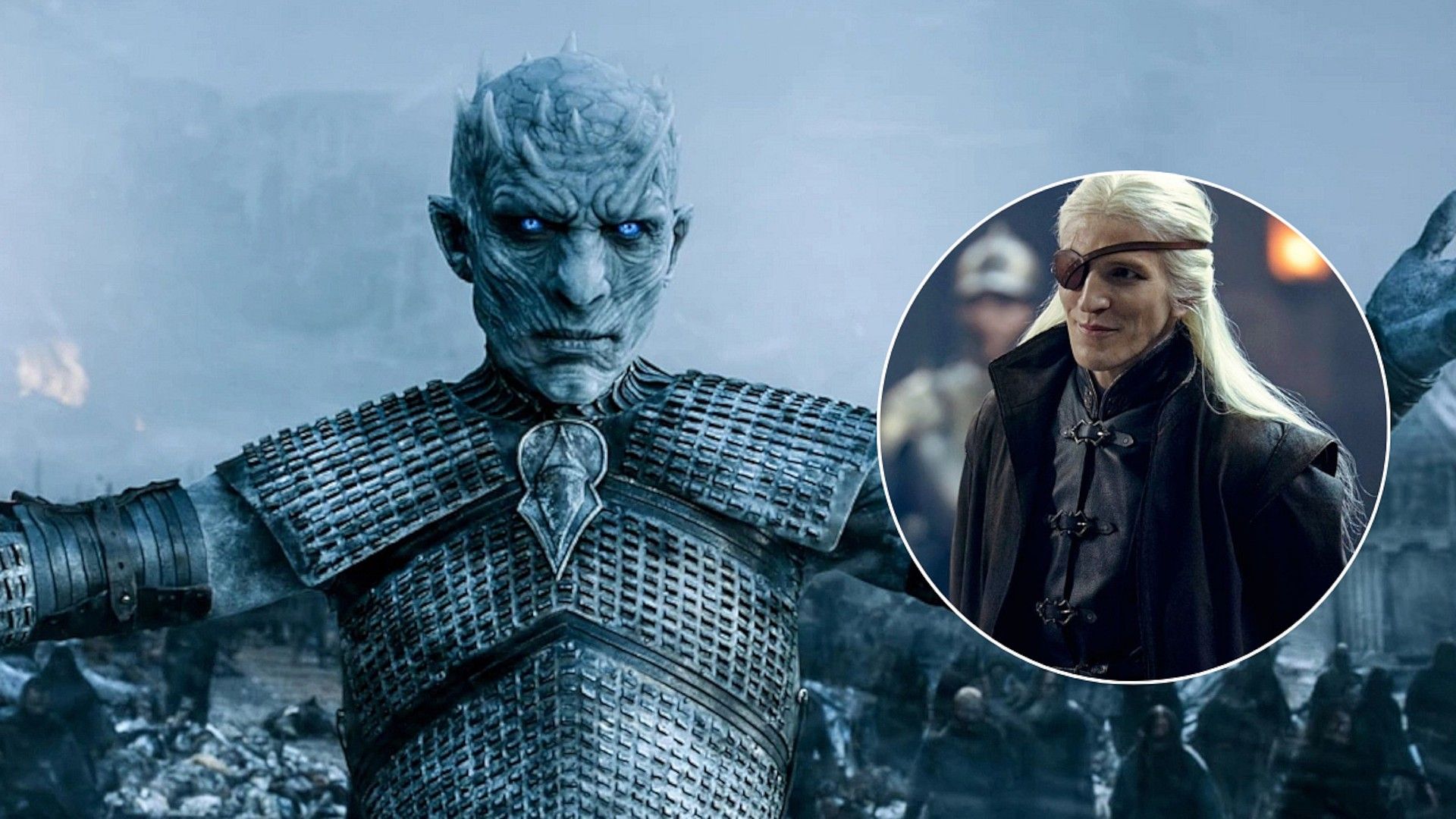
The speculation that the Night King may be a Targaryen stems from a few significant pieces of lore. First, his ability to ride a dragon—a trait unique to Targaryens—raises eyebrows. However, this can be explained through the context of him resurrecting Viserion after the dragon's death. His immunity to fire, shown during the Battle of Winterfell, is also cited, paralleling Daenerys Targaryen's legendary fireproof nature. Despite this, it's worth noting that neither of these traits is exclusive to Targaryens, complicating the idea.
Additional visual clues include the circular patterns left by White Walkers after their attacks, which some fans argue resemble the Targaryen sigil. Yet, this is tenuous at best and may serve more as a curious coincidence than concrete evidence.
Yet deeper historical examination complicates the narrative further. The Night King’s creation by the Children of the Forest from a First Man indicates his origins predate the Targaryens. This directly questions the plausibility of him being tied to the House of Targaryen given the timeline established in the series.
In explorations of the House of the Dragon characters within this theory, Daemon and Aemond Targaryen stand out as significant figures prompting speculation about potential connections to the Night King. Daemon’s vision of the Army of the Dead suggests a larger role in the unfolding saga of ice and fire. The impending conflicts also hint at possible transformations, leading some to wonder if he could be seen as a precursor to the Night King.
Aemond's character, with his intimidating presence and one sapphire eye, has drawn parallels to the Night King as well, though this theory has less substantial footing. The ideas revolve largely around thematic visuals instead of concrete evidence, showcasing the ambitious ways in which fans are attempting to reconcile the lore.
While Game of Thrones and House of the Dragon do provide some bizarre elements worth discussing, the theory that the Night King is a Targaryen remains largely speculation. What is confirmed is that the Night King was created long before the Targaryens were a significant force in Westeros, thus effectively grounding this idea in a realm of possibilities rather than historical fact.
The significant gaps in the already convoluted timeline of Westeros lead to further questions, such as whether any traces of Targaryen blood could appear in individuals from earlier eras without extensive narrative manipulation. Thus, while engaging to discuss, the idea requires more groundwork to become truly plausible.
Currently, there are many unresolved questions surrounding this theory, such as the exact nature of the Night King's origins and his goals. Despite the hints provided in House of the Dragon, the timeline and lore gaps persistently undermine potential connections to Targaryen lineage.
With the Night King having been created by the Children of the Forest, and interpretations being challenged by years of established lore, the ramifications of such a discovery would shift the narrative focus significantly. Fans are likely left to contend with these uncertainties until more definitive answers are given in future seasons or additional storytelling.
The theory connecting the Night King to House Targaryen taps into a much larger conversation about lineage, legacy, and the interwoven fates of different houses in Westeros. While it remains an intriguing idea, substantial evidence continues to exist that challenges the plausibility of this connection. For now, fans can continue to speculate—and interpret the clues left within both Game of Thrones and House of the Dragon—but clear answers remain on the horizon, potentially reshaping our understanding of these complex characters. As audiences await further developments, the exploration of these theories will undoubtedly continue to spark lively discussion and engagement among fans of the franchise.
Ending explanation
EpisodeBreakdown may use automated tools to assist research, drafting, and formatting. Published pages are governed by our editorial and corrections policies, and source links are shown when they are available in the article record.
Discovery source: MovieWeb. The source identifies where the topic was discovered; EpisodeBreakdown is responsible for the commentary published on this page.
Reader response
Reactions and poll results are based on real reader responses. No account is required.