Confirmed: Boston Blue Season 2 Premiers on CBS this October
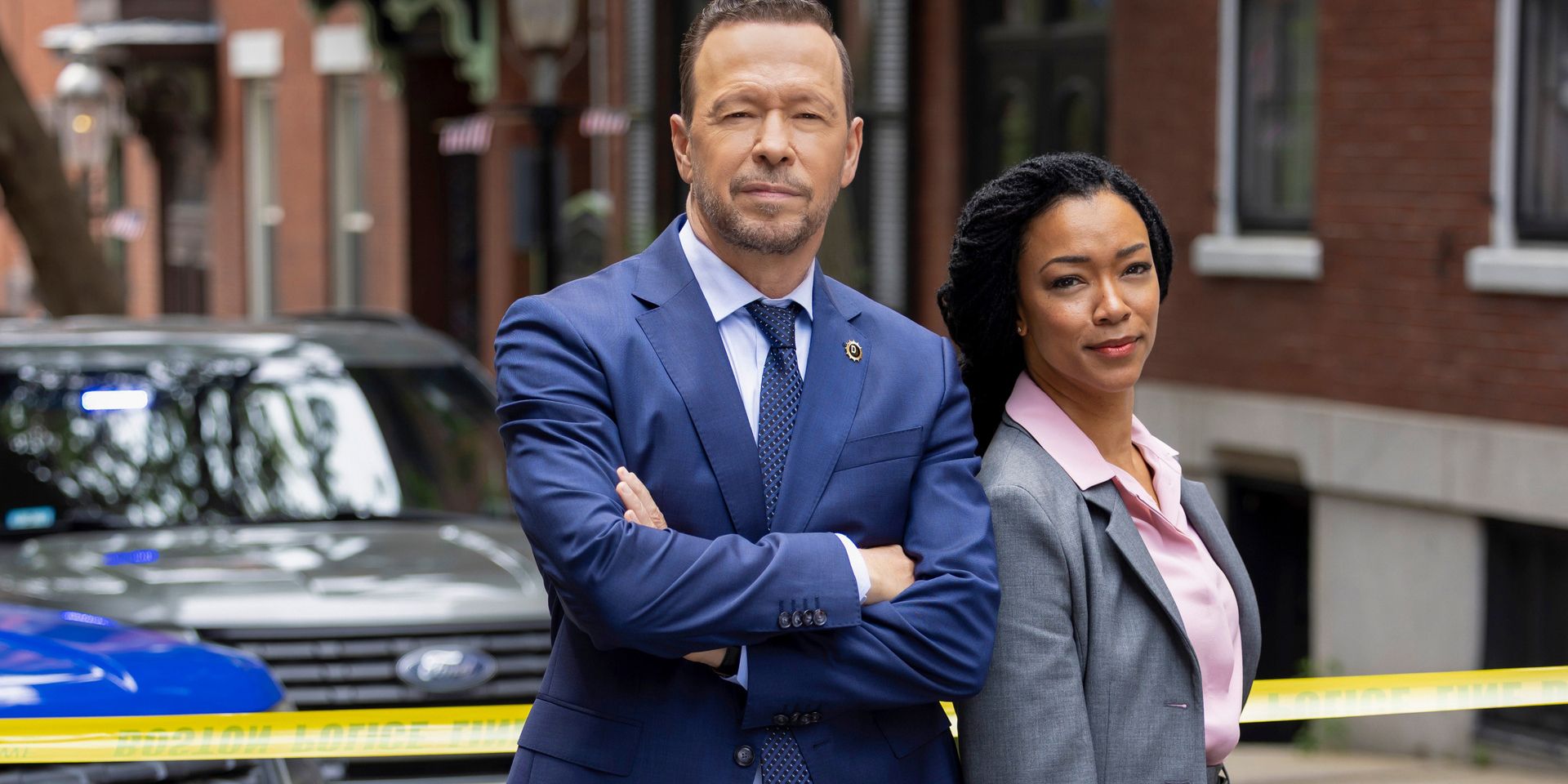
Boston Blue's second season premiere date is finally confirmed for October 9 on CBS.
Noah Kahan has firmly opposed Donald Trump's use of his song "American Cars" on social media, insisting he would never approve its use.
Here is what is confirmed: Singer-songwriter Noah Kahan has publicly denounced President Donald Trump's use of his song "American Cars." The 29-year-old artist expressed his disapproval via a comment on the president's Instagram, making it clear he would never support the administration's actions or its use of his music. This statement was made on July 29, 2026, and highlights Kahan's firm stance on the importance of artistic integrity.
Kahan’s comment read, "Would never approve of my music being used in support of you or this administration," and it quickly gained thousands of likes, demonstrating significant public engagement with his message. His reaction echoes feelings shared by many artists who have previously confronted Trump over similar issues, including Celine Dion, Katy Perry, and Kesha, among others. This ongoing pattern signifies a notable trend in the music industry regarding the unauthorized use of artists' work.
What happened is that Trump used Kahan's song in the context of a social media post focused on an event for autoworkers in Michigan. Kahan's decision to voice his disapproval reflects a broader conversation about musical autonomy and the political associations that can arise from an artist’s work being used without consent. Kahan’s swift response highlights the ongoing tension between politicians and artists over music licensing and representation.
Previously, various artists have publicly voiced their discontent when their songs were appropriated for political causes. Kahan's assertion underscores an evolving norm where musicians are increasingly vocal about their rights, suggesting a cultural shift that prioritizes artist consent in political landscapes.
As Kahan continues to make waves in the music scene, his stance may bolster his reputation among fans who value authenticity. He has had a record-breaking year, recently earning his first No. 1 on the Billboard 200 with his album The Great Divide. Notably, this album debuted with significant acclaim, achieving the third biggest release week in 2026. The album serves as a follow-up to Stick Season, solidifying Kahan's transition from a local club act to a major stadium headliner.
Alongside his vocal disapproval of political appropriation of his music, Kahan is actively engaging with audiences on his sold-out Great Divide tour. This tour further enhances his visibility in the industry, allowing fans to connect with him through live performances.
While Kahan's music resonates with a diverse audience, his comments serve as a reminder that artists have a fundamental right to control the narrative surrounding their creations. By opposing Trump's use of his song, Kahan not only defends his artistry but also stands in solidarity with other musicians facing similar challenges. The ongoing dialogue about artist rights and political messaging underscores a critical issue affecting contemporary musicians.
As artists like Kahan leverage social media as a tool for advocacy, it brings to light the dynamic interplay between artistic expression and political landscape. Moreover, Kahan's decision to address this issue head-on demonstrates a commitment to his values and a desire to maintain his artistic integrity, appealing to fans who prioritize authenticity in music. These factors collectively contribute to shaping perceptions of Kahan as a socially conscious artist who actively engages with relevant cultural issues.
Looking forward, Kahan's assertive stance may encourage other artists to assert their rights more vocally. As more musicians step up against unauthorized uses of their work, the music industry may witness a shift toward better protective measures for artists. This could lead to increased dialogue on the ethical considerations of music usage in political contexts, as well as a possible reevaluation of how artists negotiate their intellectual property rights. Given the continued importance of social media as a tool for advocacy, we may see similar situations arise in the future, compelling artists to protect their messages and work more diligently than before.
Entertainment news
EpisodeBreakdown may use automated tools to assist research, drafting, and formatting. Published pages are governed by our editorial and corrections policies, and source links are shown when they are available in the article record.
Discovery source: The Hollywood Reporter. The source identifies where the topic was discovered; EpisodeBreakdown is responsible for the commentary published on this page.
Reader response
Reactions and poll results are based on real reader responses. No account is required.