Ridley Scott's 'The Dog Stars' Set to Release This Month
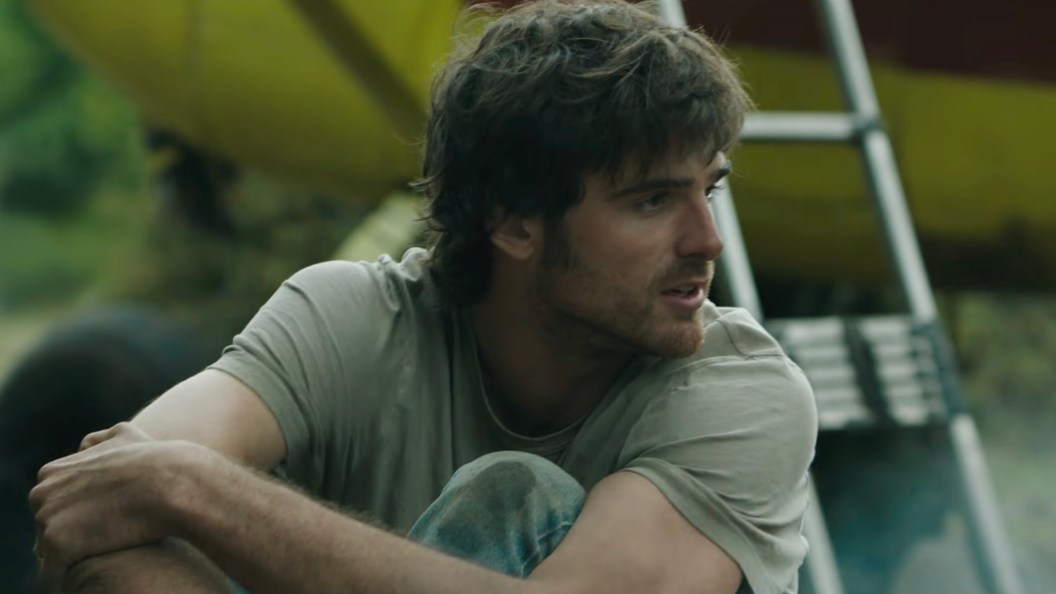
Ridley Scott's long-anticipated post-apocalyptic thriller, 'The Dog Stars,' finally arrives this month after a decade in the making.
A new list highlights ten compelling post-apocalyptic novels that steer clear of zombie tropes, offering diverse themes of survival and hope.
ScreenRant recently published an insightful article detailing ten noteworthy post-apocalyptic novels that forego the ubiquitous zombie trope. Authored by Tom Russell, the piece emphasizes that while zombie narratives dominate this genre, there are numerous captivating stories focusing on different apocalyptic scenarios. This report not only curates some of the best non-zombie novels but also discusses their thematic depth and relevance.
Confirmed by ScreenRant, these titles explore a wide array of catastrophic events ranging from nuclear war to environmental collapse and societal breakdown. Readers seeking profound narratives will find that these novels examine human resilience, community, and the preservation of culture amid chaos.
While zombies have become a staple of contemporary post-apocalyptic literature, their overabundance can overshadow other compelling narrative possibilities. Tom Russell points out that many readers may seek alternatives to the often-repeated themes of survival against the undead. The curated list serves to highlight the richness of the genre, underscoring how authors tackle existential questions and societal collapse from varying perspectives.
Among the noteworthy novels featured, "Alas, Babylon" by Pat Frank delves into the aftermath of a nuclear catastrophe, focusing on the realistic challenges faced by survivors in a small town. Its grounding in real-world issues makes it a timeless classic.
"The Wall" by John Lanchester presents a haunting vision of a climate-ravaged future. Here, the social dynamics shaped by resource scarcity and nationalism are intimately explored, providing a tale that resonates in today’s global context.
Notably, "Station Eleven" by Emily St. John Mandel intertwines art and survival in a post-pandemic world, highlighting the importance of culture during tumultuous times. These narratives offer readers not just suspense but a thoughtful examination of human nature and societal structures.
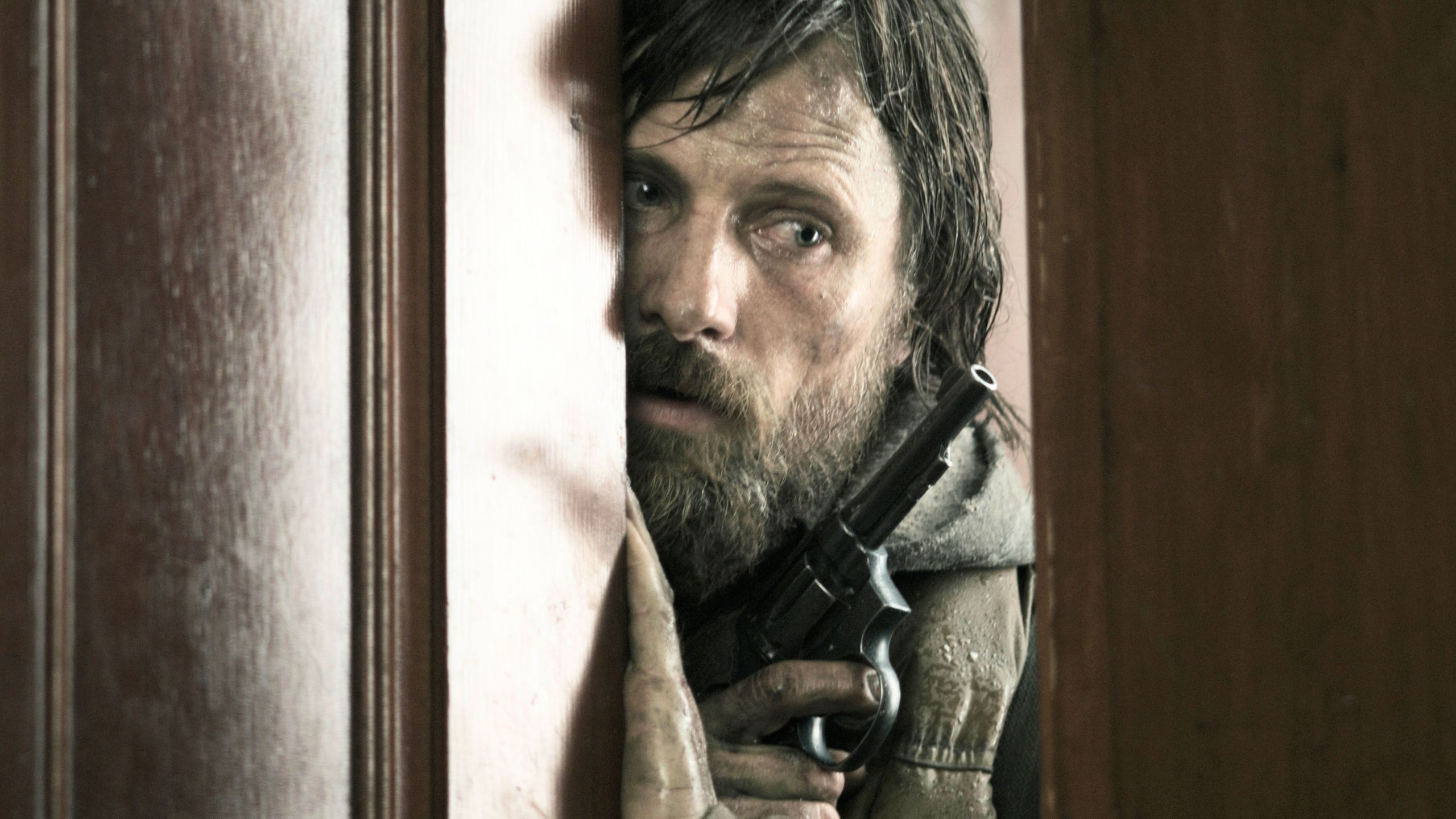
Many of the novels in Russell’s list emphasize emotion and hope, contrasting the often bleak stories prevalent in zombie literature. For instance, Cormac McCarthy’s "The Road" focuses on a father-son relationship against a desolate backdrop, exploring themes of morality and hope even in despair.
Similarly, Octavia Butler's "Parable of the Sower" and its portrayal of a young empath navigating a chaotic world encourages readers to reflect on personal and societal reformation. This deeper emotional engagement is vital for readers who appreciate literature that challenges both the mind and heart.
This article from ScreenRant offers a refreshing perspective on post-apocalyptic literature, encouraging readers to explore beyond the predictable zombie narrative. By shedding light on these ten selections, Russell not only honors the diverse voices within the genre but also invites readers to reconsider their perceptions of survival stories.
With this list, readers searching for raw, thought-provoking post-apocalyptic narratives can find alternatives to the mainstream zombie tales that have saturated the market. As more stories like these gain visibility, the genre can evolve to reflect a broader human experience, ultimately fostering richer conversations about our world. For anyone interested in modern literary explorations of catastrophe and resilience, these novels present a compelling invitation. Consider diving into these recommendations for a change of pace from the familiar undead.
For more on unique explorations in entertainment, check out our pieces on Star Trek: Strange New Worlds referencing Tom Cruise and Ryan Murphy’s captivating series 'The Shards'.
Entertainment news
EpisodeBreakdown may use automated tools to assist research, drafting, and formatting. Published pages are governed by our editorial and corrections policies, and source links are shown when they are available in the article record.
Discovery source: ScreenRant. The source identifies where the topic was discovered; EpisodeBreakdown is responsible for the commentary published on this page.
Reader response
Reactions and poll results are based on real reader responses. No account is required.