Spider-Man: Brand New Day's Box Office Marvel
Analyzing the success of Spider-Man: Brand New Day's incredible box office performance and deeper themes.
An in-depth look at the unique location and themes of One Night Only's climax, revealing the significance behind the final scene.
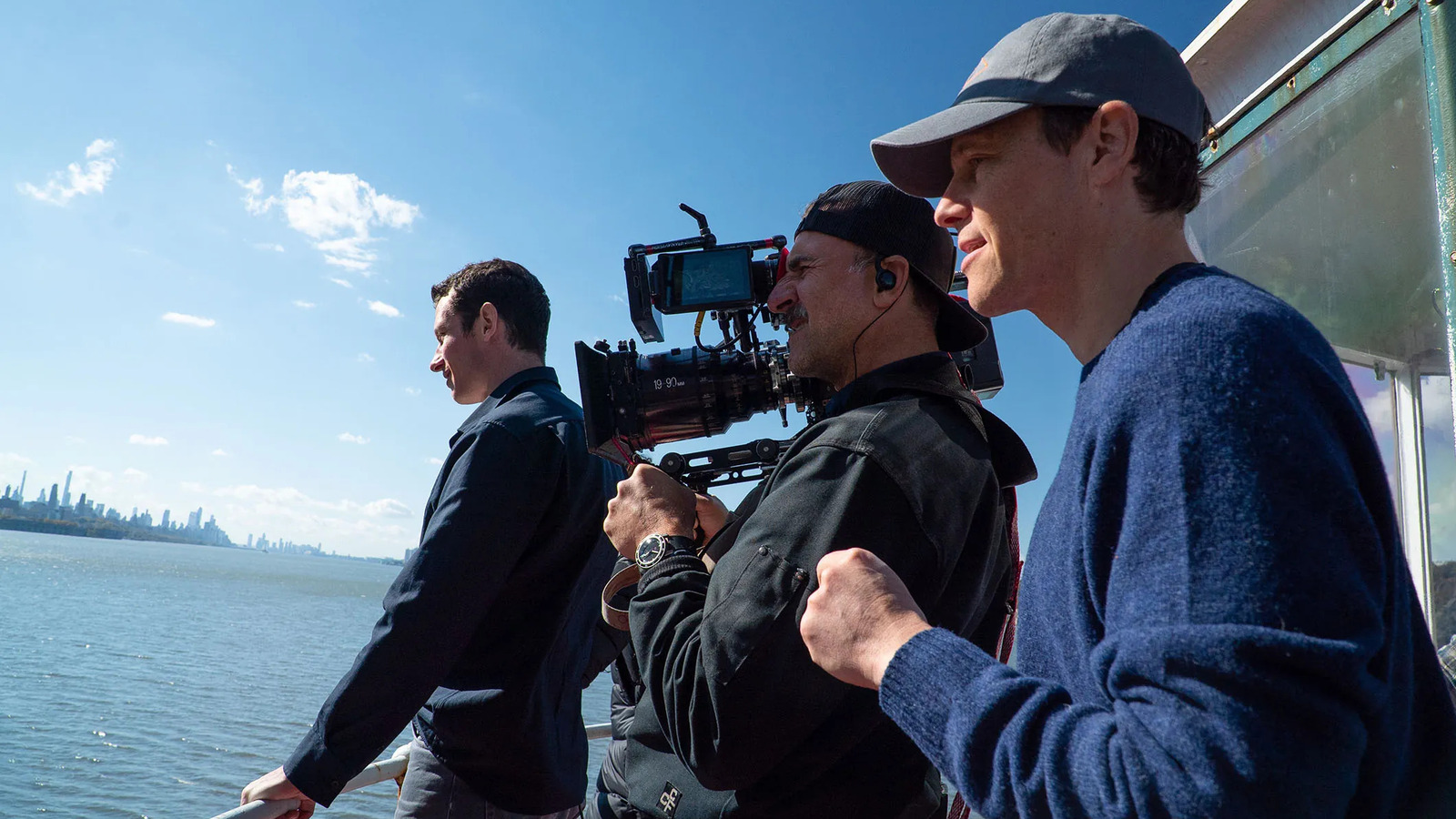
In simple terms, the central question of One Night Only revolves around how love can flourish even in a single evening, within the unique constraints of time and location. The film, directed by Will Gluck, seamlessly blends this high-concept romantic narrative with a distinctive New York City locale, culminating in a poignant and meaningful ending that reinforces the film's central themes of connection and self-discovery.
Here is what is confirmed: One Night Only intertwines the romantic pursuits of its main characters, Owen (Callum Turner) and Allie (Monica Barbaro), against the backdrop of the Little Red Lighthouse, a real and often overlooked site in NYC. This choice serves as a metaphorical beacon, guiding Owen to realization and love in a way that resonates deeply with the audience. The film’s climax at this location is not just a picturesque setting; it embodies the emotional journey of the characters and elevates the romantic comedy genre into new territory.
The decision to set the final scenes at the Little Red Lighthouse is significant for several reasons. This site holds personal meaning for director Will Gluck, who recounted how the lighthouse and the beloved children's book The Little Red Lighthouse and the Great Gray Bridge shaped his childhood. By using this lesser-known spot, Gluck not only pays homage to his own past but also introduces viewers to a hidden gem of New York City, fostering a connection that goes beyond the typical tourist destinations used in romantic comedies.
This thematic choice stands in stark contrast to the often-repeated images of iconic locations like the Empire State Building, which are frequently used in the genre. Gluck’s desire to explore parts of New York that have previously gone unnoticed signals a refreshing change, focusing on the city as a living, dynamic entity rather than just a backdrop.
The film’s premise centers on a night when two single individuals can legally connect, a clever narrative device that asks whether love, when confined to a specific moment, can hold lasting significance. As Owen searches for Allie at the lighthouse, viewers see elements of urgency paired with self-reflection throughout their journey. This interplay explores themes such as fate, the beauty in fleeting moments, and the power of memory.
Owen's determination to find Allie is underscored by their previous bonding moments, enhancing the narrative tension. The climax at the lighthouse serves not only as a physical destination but also as a metaphor for the light of love guiding them through uncertainty and separation.
Behind the scenes, the logistics of filming at the Little Red Lighthouse were nothing short of a Herculean task. As Gluck elaborated, gaining permission to shoot there was just the beginning; the physical challenge of transporting equipment to such a remote location added layers of complexity to the production. The fact that it required a trek to access the lighthouse underscores its allure as a hidden treasure within the bustling city. This mirrors the characters' own emotional journeys, suggesting that true connection often demands effort and perseverance.
The crew’s struggles to film at this unique locale ultimately shaped the authenticity of the final product. The magical atmosphere created by the setting heightens the emotional stakes, making Owen’s realization feel organic and impactful.
In the film's climax, Owen reaching out to Allie under the towering presence of the George Washington Bridge symbolizes his readiness to embrace love fully, overcoming obstacles both physically and emotionally. This thematic culmination enhances the understanding that love, much like the journey to the lighthouse, often requires determination and a willingness to explore unfamiliar paths.
Moreover, the choice of the lighthouse as a significant final location acts as a narrative fulcrum. It's not just about the romantic reunion; it's about a deeper connection to past experiences and memories, making it resonate with viewers on a more personal level. It provides an evocative reflection on how past narratives can illuminate present opportunities, carving a unique niche within the genre.
Given that Gluck hopes the lighthouse will become a popular destination for fans of the film, it not only aims to create a connection between audiences and the film but also rejuvenates the cultural significance of the location in the romantic comedy landscape. This potential shift emphasizes cinema's power to influence not just the film world but also real-life experiences, encouraging viewers to seek out meaningful connections in their own lives.
Audiences familiar with iconic rom-com endings may find refreshment in this renewed focus on an unexplored location—one that challenges the norms of the genre itself. Coupled with Gluck's intimate storytelling style, the end result promises a lasting impression that goes beyond the film, potentially inspiring viewers to seek out their own personal connections in overlooked places.
In conclusion, One Night Only redefines traditional romantic comedy tropes by embracing both the time and place of connection. The use of the Little Red Lighthouse not only adds an original touch to the genre but highlights the importance of personal histories and the emotional weight of our choices. As the film encourages audiences to explore lesser-known locations in their own lives, it paves the way for future filmmakers to think beyond well-trodden paths. The film ultimately serves as a reminder that love can thrive in the most unexpected of places, inviting us all to embark on our quests for connection.
For more insights into the film’s exploration of themes and character choices, check out Analyzing One Night Only: Themes and Character Decisions and explore how this film contrasts with traditional narratives in romantic comedies. Those looking for a deeper understanding of cinematic space can also check out discussions of similar films, such as Dino Movie Showdown: Analyzing 'End of Oak Street' vs 'Paw Patrol: The Dino Movie'.
Movie explanation
EpisodeBreakdown may use automated tools to assist research, drafting, and formatting. Published pages are governed by our editorial and corrections policies, and source links are shown when they are available in the article record.
Discovery source: Slashfilm. The source identifies where the topic was discovered; EpisodeBreakdown is responsible for the commentary published on this page.
Reader response
Reactions and poll results are based on real reader responses. No account is required.