test
asdasd
Netflix's new adaptation of One Piece will redefine the franchise, making it more accessible and visually stunning for a new generation.
Explore the franchise
In simple terms, One Piece’s original anime adaptation is officially concluding as fans have known it, with Netflix poised to release a brand-new interpretation that aims to refresh the iconic series. This upcoming adaptation aims not only to modernize the beloved narrative but also to make it more accessible to a younger audience.
This shift marks a significant moment for One Piece, which debuted in 1997 and has garnered a massive fan base over the years. The series currently boasts over 1,173 episodes, but with so much content, potential newcomers often feel overwhelmed. Netflix's adaptation is set to change that by offering a condensed version that retains the series' essence while shedding unnecessary filler.
The Netflix adaptation of One Piece is slated for a global premiere in February 2027. Unlike its predecessor, this version will feature only seven carefully crafted episodes, each designed to run for about 42 minutes, providing a total runtime equivalent to a feature film. This concentrated format represents a significant departure from the traditional airing of weekly episodes, which often included filler content that hindered the storytelling.
Fans can expect this adaptation to concentrate on the East Blue Saga, specifically focusing on the first 50 chapters of Eiichiro Oda’s beloved manga. This will invite viewers to witness the formation of Monkey D. Luffy's crew, highlighting pivotal moments, including his recruitment of key characters like Roronoa Zoro and Nami, as well as the adventures that follow.
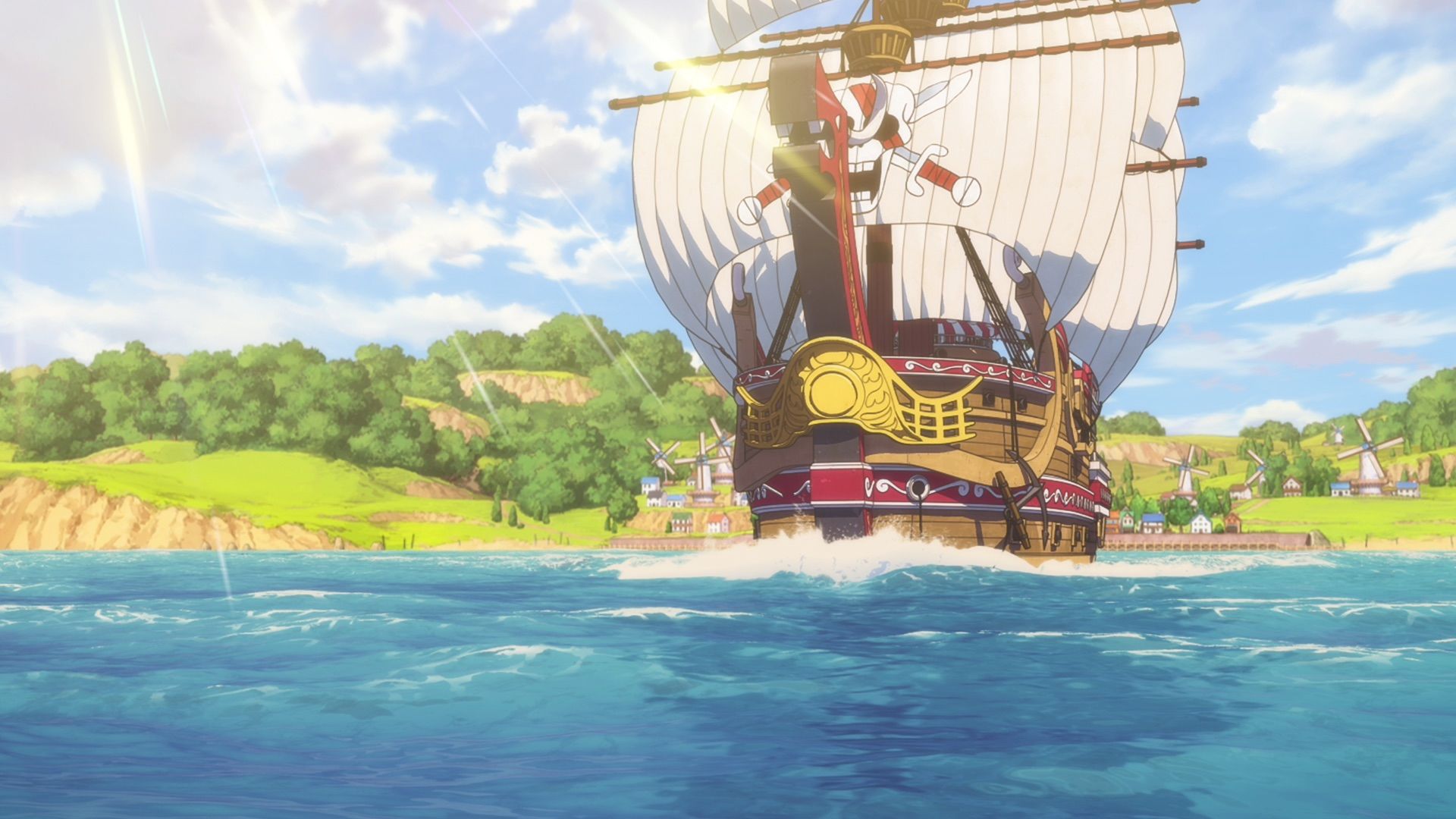
One of the most intriguing aspects of the new adaptation is the animation quality, which will be handled by Wit Studio, renowned for its exceptional visual storytelling in series like Attack on Titan and Vinland Saga. The studio promises to leverage cutting-edge technology to breathe new life into the world of One Piece.
The visual enhancements aim to combine nostalgia with a modern aesthetic, maintaining the appeal of Oda’s original style while enriching the action sequences with fluid animation and dynamic environments. This is a critical strategy to redefine the audience's experience of the iconic clashes and vibrant settings.
The remake's driving force comes directly from Oda himself, who expressed a desire for the series to align with the pacing and expectations of contemporary anime viewers. Oda's commitment to storytelling has led to a re-evaluation of the pacing, transitioning from the former lengthy productions that sometimes diluted the essence of the plot. The new approach emphasizes streamlined narratives, cutting down the runtime significantly while maintaining emotional depth.
This innovation is designed to make One Piece more digestible, allowing viewers unfamiliar with the lengthy history to pick up the narrative without feeling intimidated. By prioritizing the gripping essence of the story, the adaptation hopes to attract both veteran fans and newcomers eager to explore the franchise.
The release of the teaser trailer has already generated substantial excitement within the fandom. This short clip effectively revisited the series' origin, from Gol D. Roger's execution speech to Luffy’s initial journey, echoing sentiments of nostalgia for long-time viewers.
The immediate fan reception was overwhelmingly positive, signifying a promising outlook for the new interpretation. While some discussions arose around the 3D background elements, most viewers celebrated the impressive animation quality and character expressions. Moreover, the confirmation of veteran voice actress Mayumi Tanaka reprising her role as Luffy has added an additional layer of reassurance that the heart of One Piece is preserved.
The strategic intent behind Netflix's adaptation seems aimed at creating a bridge between old and new fans. By condensing the narrative into seven meaty episodes, the series can offer a fresh yet familiar experience for viewers. Each episode will encapsulate multiple chapters, making it an efficient means to immerse viewers in the world of One Piece without the burden of decades of episodic baggage.
This release format also aligns with Netflix's successful structure of releasing entire seasons at once, allowing audiences to engage deeply with the material without interruptions. By delivering the first season in this manner, Netflix is ushering in a new era for One Piece, potentially attracting a fresh demographic eager to experience the adventures of Luffy and his crew in a modernized context.
With this new adaptation, the world of One Piece is set for a transformative journey. The decision to release a concentrated seven-episode season represents a daring reimagining of the franchise. What this means is an opportunity for old fans to relive their favorite arcs with modern graphics while attracting newcomers who may have been deterred by the daunting episode count of the original series. The hopes for this adaptation rest on its ability to bring the essence of the original story to life in a way that resonates with the pacing and preferences of today’s audience.
For those eager to learn more about the lore and deeper themes of One Piece, check out our guides on related topics: One Piece Explores the True Meaning of Being King of the Pirates and Why 'Over the Garden Wall' Is a Must-Watch Miniseries. With the official adaptation on the horizon, fans can only speculate about what new adventures are in store for Luffy and his allies.
Story breakdown
EpisodeBreakdown may use automated tools to assist research, drafting, and formatting. Published pages are governed by our editorial and corrections policies, and source links are shown when they are available in the article record.
Discovery source: CBR Anime. The source identifies where the topic was discovered; EpisodeBreakdown is responsible for the commentary published on this page.
Reader response
Reactions and poll results are based on real reader responses. No account is required.