test
asdasd
Explore the origins and significance of NCIS's iconic 'foof' transitions, which enhanced storytelling through stylistic choices.
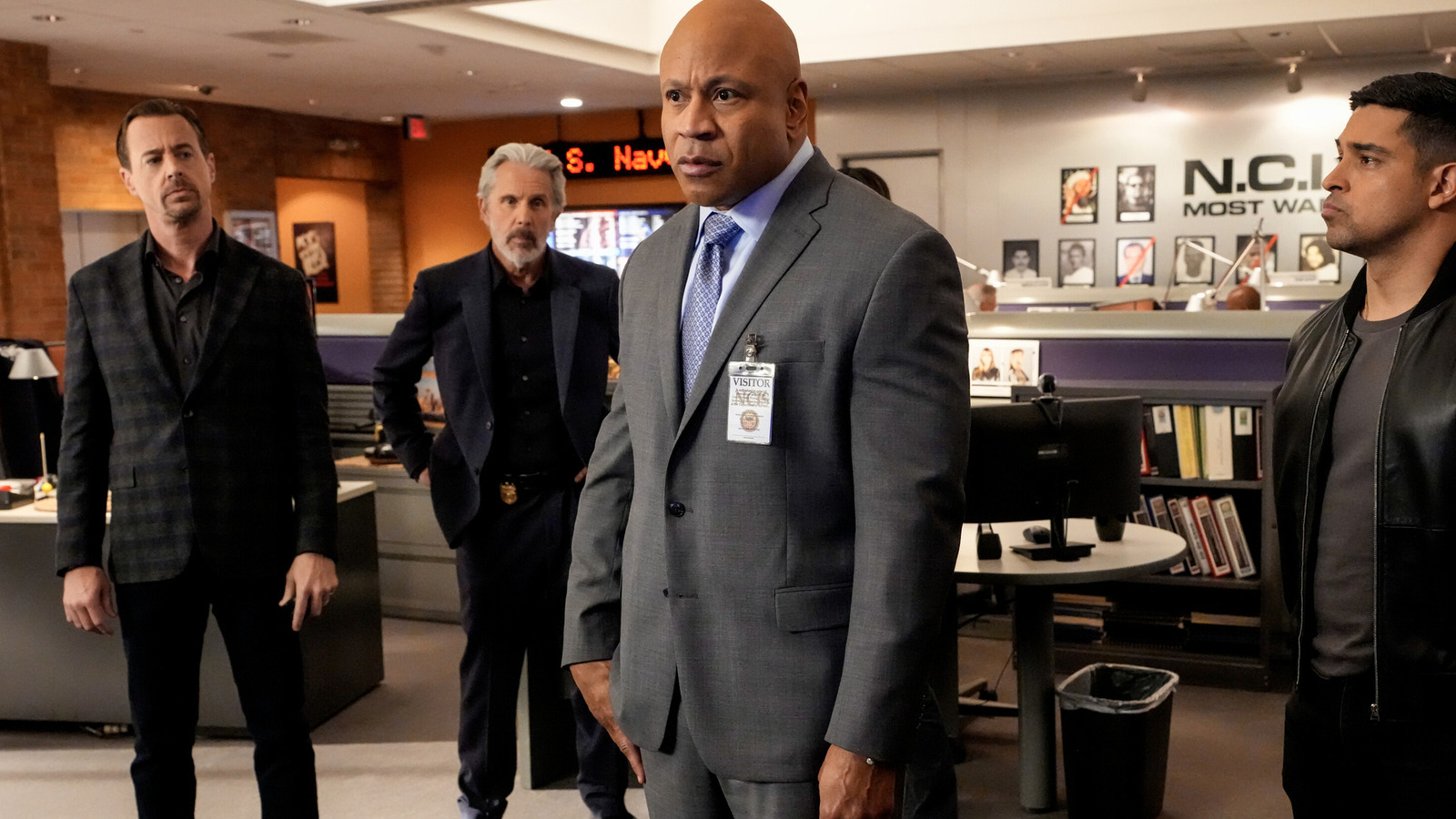
In simple terms, the term "foof" refers to the distinctive black-and-white freezing transitions used in NCIS episodes. These transitions serve not only as a stylistic device but also as a narrative tool marking key moments between acts. They have contributed significantly to the show's identity, helping it stand out among procedural dramas.
The concept of the "foof" first came to life in the early days of NCIS through the creative vision of executive producer Charles Floyd Johnson and series creator Donald P. Bellisario. The idea was inspired by the sound of an old flashbulb camera, which added a unique auditory cue to the visuals, enhancing the viewing experience. This melding of sound and image has persisted across two decades and through multiple series spin-offs.
The foof was officially introduced in the second season during the episode titled "Lt. Jane Doe," where it heightened the drama of storytelling through its distinctive style. Johnson noted that this device was implemented with the intention of marking transitions at both the beginning and end of acts. The sound, likened to the click of a camera, serves to grab the audience's attention while signaling a shift in narrative focus, effectively sending viewers from one scene to the next.
For the cast and crew, the foof became more than just a transition; it fostered a sense of anticipation and playfulness on set. Actors became eager to see whose expressions would be captured during these freeze-frame moments. The enthusiasm surrounding the foof emphasizes its dual role as both a mechanism for storytelling and a bonding element among cast members.
The use of the foof has influenced subsequent NCIS series, including NCIS: Hawaii and NCIS: New Orleans. Each spin-off has tailored the concept to fit its unique style, allowing for variations in color and presentation. For example, NCIS: New Orleans opted for colorized transitions, while NCIS: Hawaii reserves their uses solely for segment endings. Each adaptation underscores the foof’s versatility as a narrative device across different series.
The response from fans has been overwhelmingly positive, with many praising the continuity and stylistic branding that the foof brings to the franchise. Viewers appreciate how the foof has become a signature hallmark, creating an emotional resonance with audiences and establishing a familiar rhythm in the storytelling.
Moreover, the foof has become a conversation piece among fans, leading to discussions about its significance and memorability throughout the years. In essence, it has cemented itself as a cultural reference point for NCIS aficionados and a testament to the show’s long-standing appeal.
With the ongoing journey of NCIS into its 24th season, the continued use of the foof not only signifies a commitment to its original inventive spirit but also opens doors for creative storytelling. As fans eagerly anticipate future episodes filled with more foofs, it’s clear that this stylistic technique will continue to be an integral component of the NCIS franchise—and a valuable tool for building emotional connections with viewers.
The sound and image of the foof encapsulate the blend of function and form in television storytelling. As the series keeps evolving, it will be interesting to see how this beloved transition device adapts and what new elements may emerge from the creative minds behind NCIS. Its legacy is a reminder of the simple yet impactful innovations that can transform a series into a staple of modern television.
Ending explanation
EpisodeBreakdown may use automated tools to assist research, drafting, and formatting. Published pages are governed by our editorial and corrections policies, and source links are shown when they are available in the article record.
Discovery source: TVLine. The source identifies where the topic was discovered; EpisodeBreakdown is responsible for the commentary published on this page.
Reader response
Reactions and poll results are based on real reader responses. No account is required.