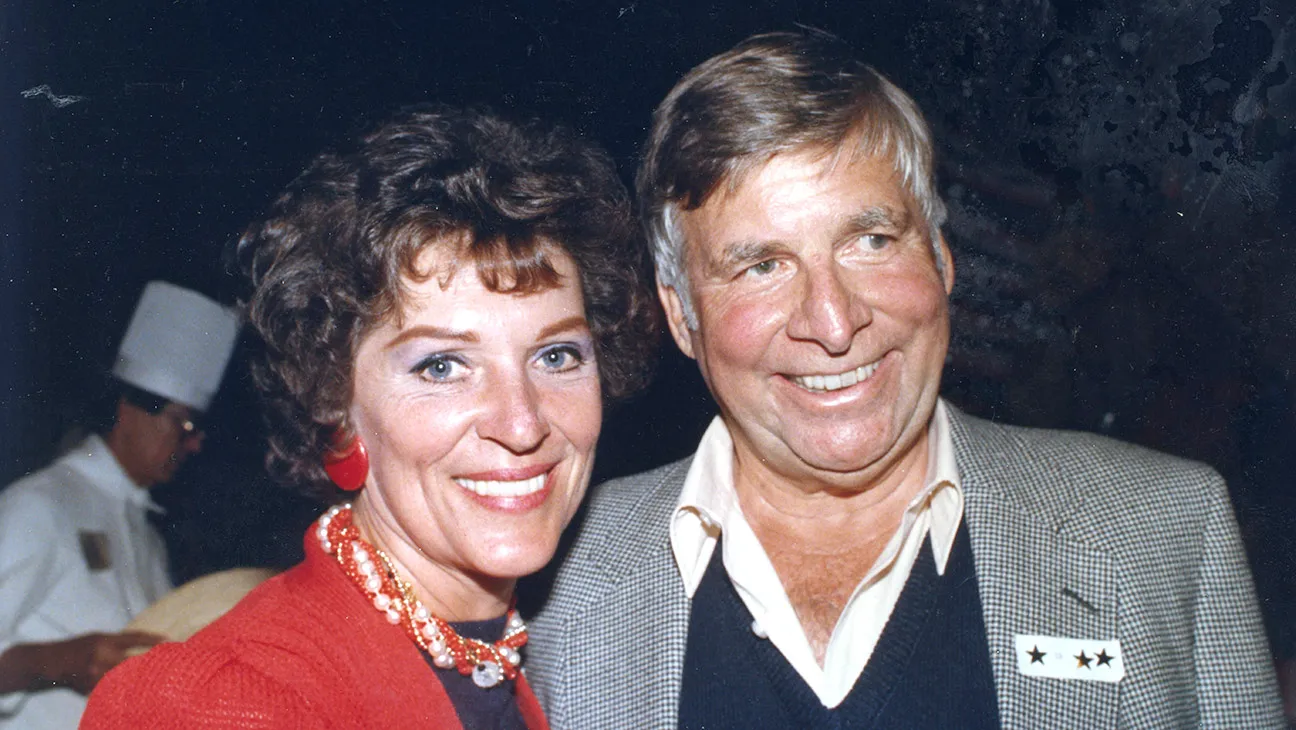
Majel Barrett Roddenberry: The First Lady of ‘Star Trek’
Honoring Majel Barrett Roddenberry's pivotal role in 'Star Trek,' this article highlights her impact on the franchise during its 60th anniversary.
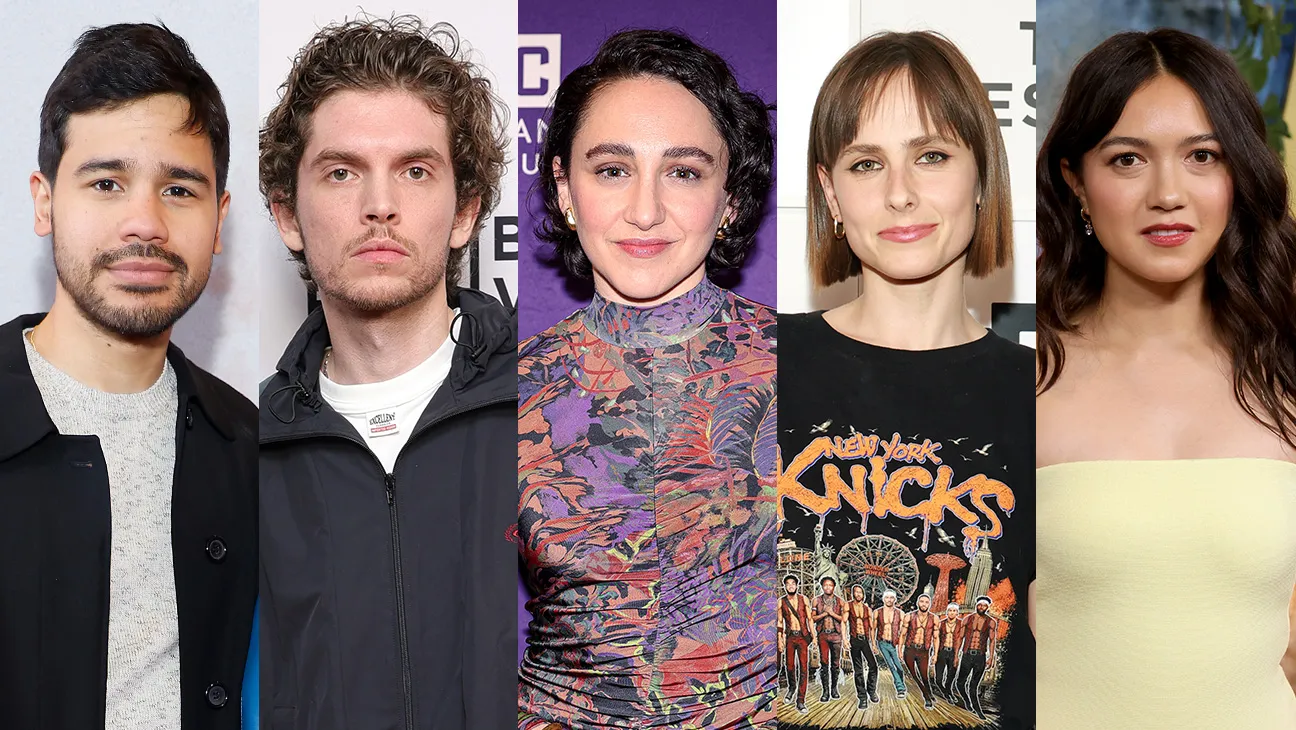
Writer-director Avi Nesher assembles a large ensemble of locally well-known actors to tell this story of fear and trauma, premiering at the Toronto Film Festival.
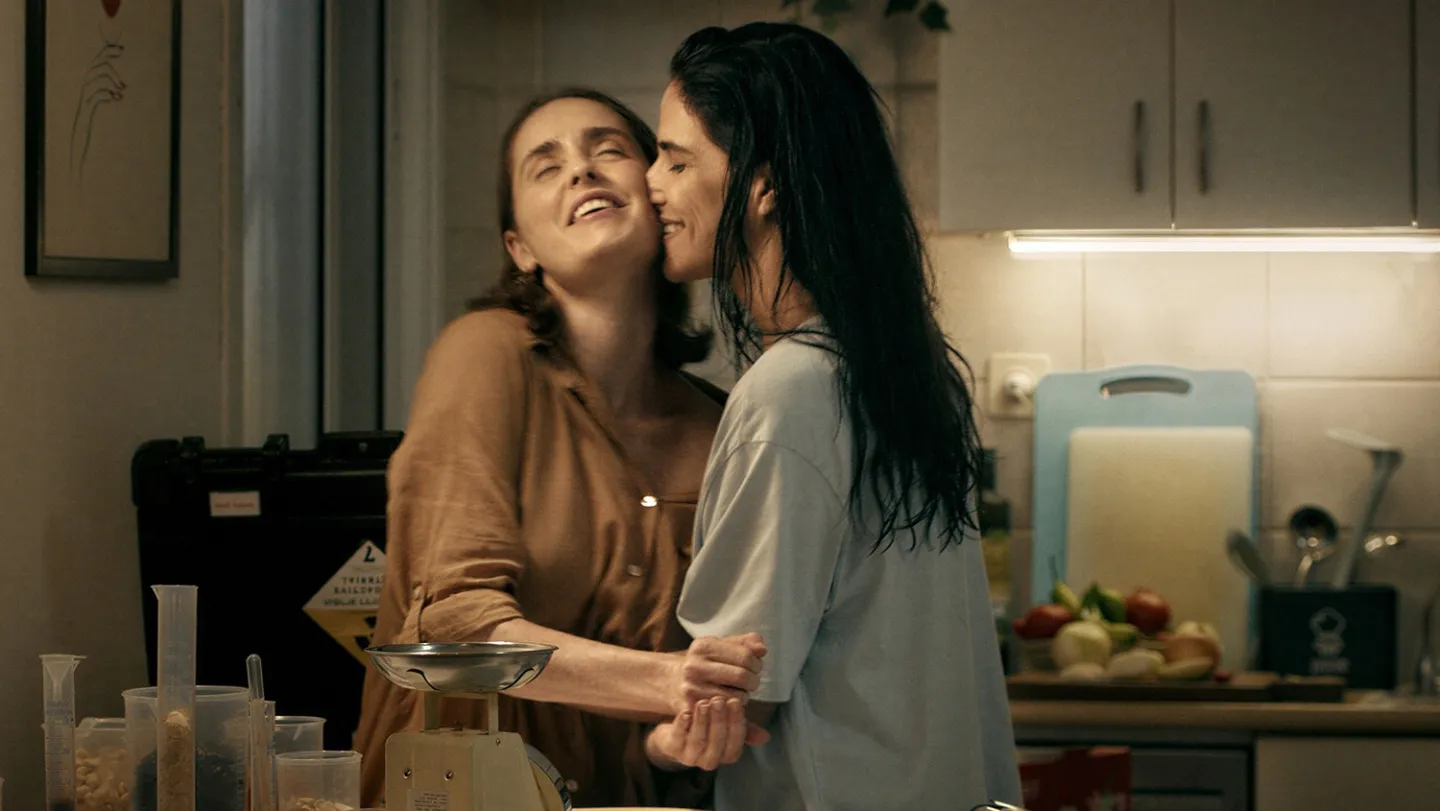
Avi Nesher's ‘Our Loves’ is an ambitious drama that attempts to grapple with the trauma surrounding the October 7th Hamas attack during its debut at the Toronto International Film Festival. While the film aims to present a complex narrative about fear and survival, it ultimately falls short through its cliched portrayal and conventional storytelling. The film features a large ensemble cast made up of well-known Israeli actors, but its execution leaves much to be desired.
Nesher, as the writer and director, sets the story in a politically sensitive backdrop, hinting at a left-leaning critique of the Israeli government’s actions surrounding the tragedy. According to Nesher, the film brings attention to issues within Israeli policies and their ramifications. He commented to The Hollywood Reporter that the movie is likely to face backlash because of its release right before upcoming elections in Israel, indicating that the film's provocative themes may further fuel political tensions.
The film introduces multiple characters whose lives are interconnected. For instance, we see characters like Sapir, a highly religious girl enjoying a night out before her arranged marriage, and Matan, a budding DJ whose parents are on the verge of separation. These storylines intersect in a pop concert days before the attack, creating a fleeting semblance of normalcy for the characters. However, as the narrative unfolds amidst chaos, the impacts of the attack are not deeply felt, with characters appearing more resilient than one would expect given the circumstances.
Critics point out that Nesher’s choice to predominantly focus on Israeli perspectives limits the film's appeal to international audiences. Notably, there is only one Arab-speaking character, a doctor, who fails to provide a comprehensive representation of the nuanced emotional aftermath of the attack. This focus creates a narrative that may alienate viewers outside of the Israeli context.
Despite its lofty ambitions, ‘Our Loves’ received mixed reviews from festival-goers and critics alike. Many reviewers expressed disappointment, citing that the film is bogged down by its reliance on clichés and its inability to fully explore the emotional depth of its subject. Critics noted that the characters often lack realistic development, and that the script misses opportunities for a more profound commentary on the trauma faced by those directly affected by the violence.
Given the current geopolitical landscape, ‘Our Loves’ may face challenges in securing a broader distribution, especially in European and North American markets. Distributors are often hesitant to acquire Israeli films, which has become increasingly complicated due to the film’s narrow depiction of events primarily through an Israeli lens. While performances at Jewish film festivals may provide some exposure, broader acceptance is uncertain.
In summary, ‘Our Loves’ stands at a crossroads, grappling with both personal and political narratives while striving to reflect the societal tensions in Israel. Its critical reception and the challenges it faces with distribution are indicative of the complications filmmakers encounter when addressing sensitive historical events. The film's approach may influence how similar topics are explored in future cinematic narratives, shedding light on the difficulties of portraying trauma authentically within a politically charged discourse.
Entertainment news
EpisodeBreakdown may use automated tools to assist research, drafting, and formatting. Published pages are governed by our editorial and corrections policies, and source links are shown when they are available in the article record.
Discovery source: The Hollywood Reporter. The source identifies where the topic was discovered; EpisodeBreakdown is responsible for the commentary published on this page.
Reader response
Reactions and poll results are based on real reader responses. No account is required.