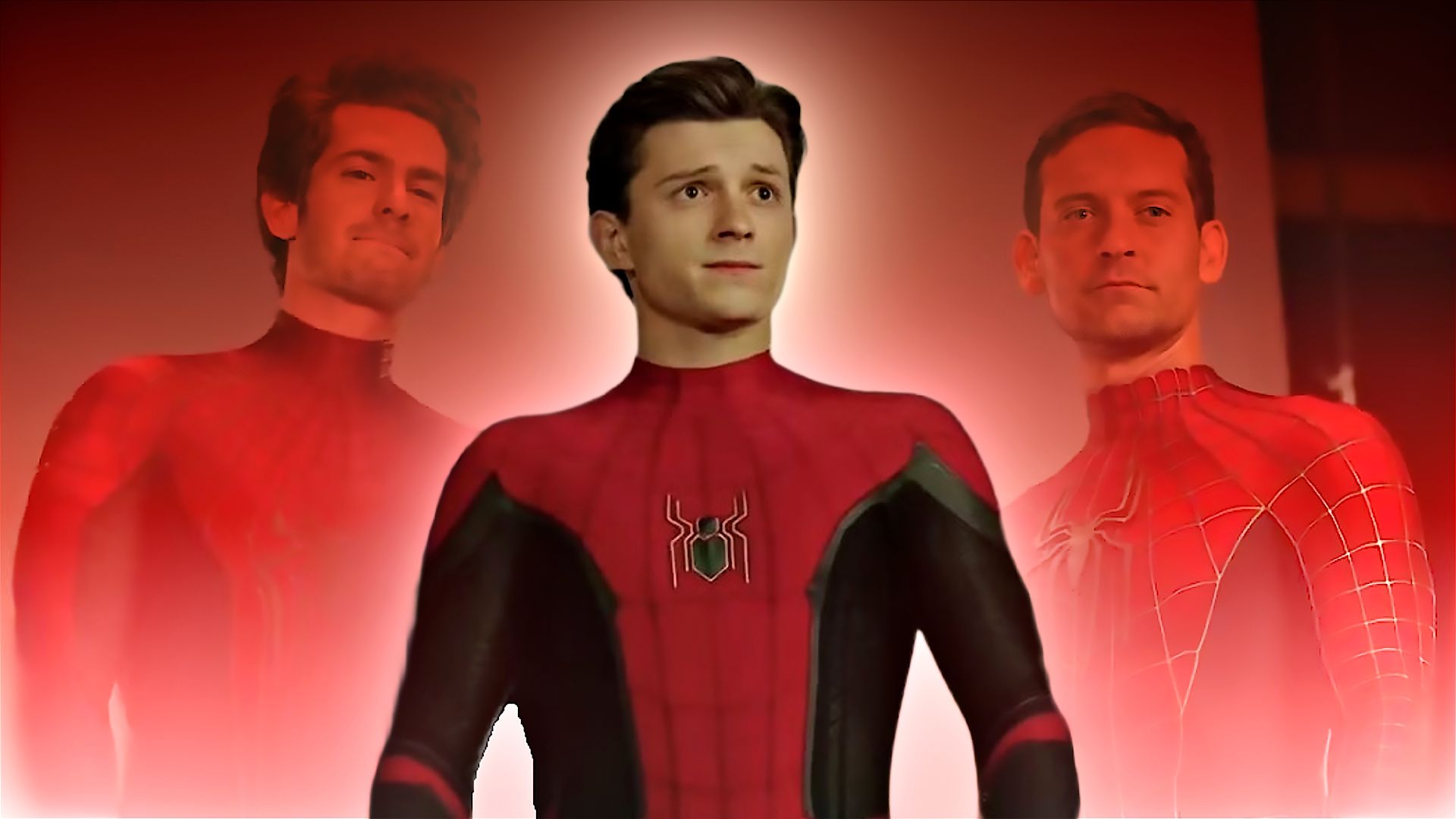
Spider-Man: Brand New Day Elevates Tom Holland as Peter Parker
Tom Holland’s performance in Spider-Man: Brand New Day redefines Peter Parker, showcasing a matured superhero fighting on the gritty streets of New York.
Exploring the thrilling intersection of war and horror in 'Overlord,' a film that merges tense action and supernatural elements.
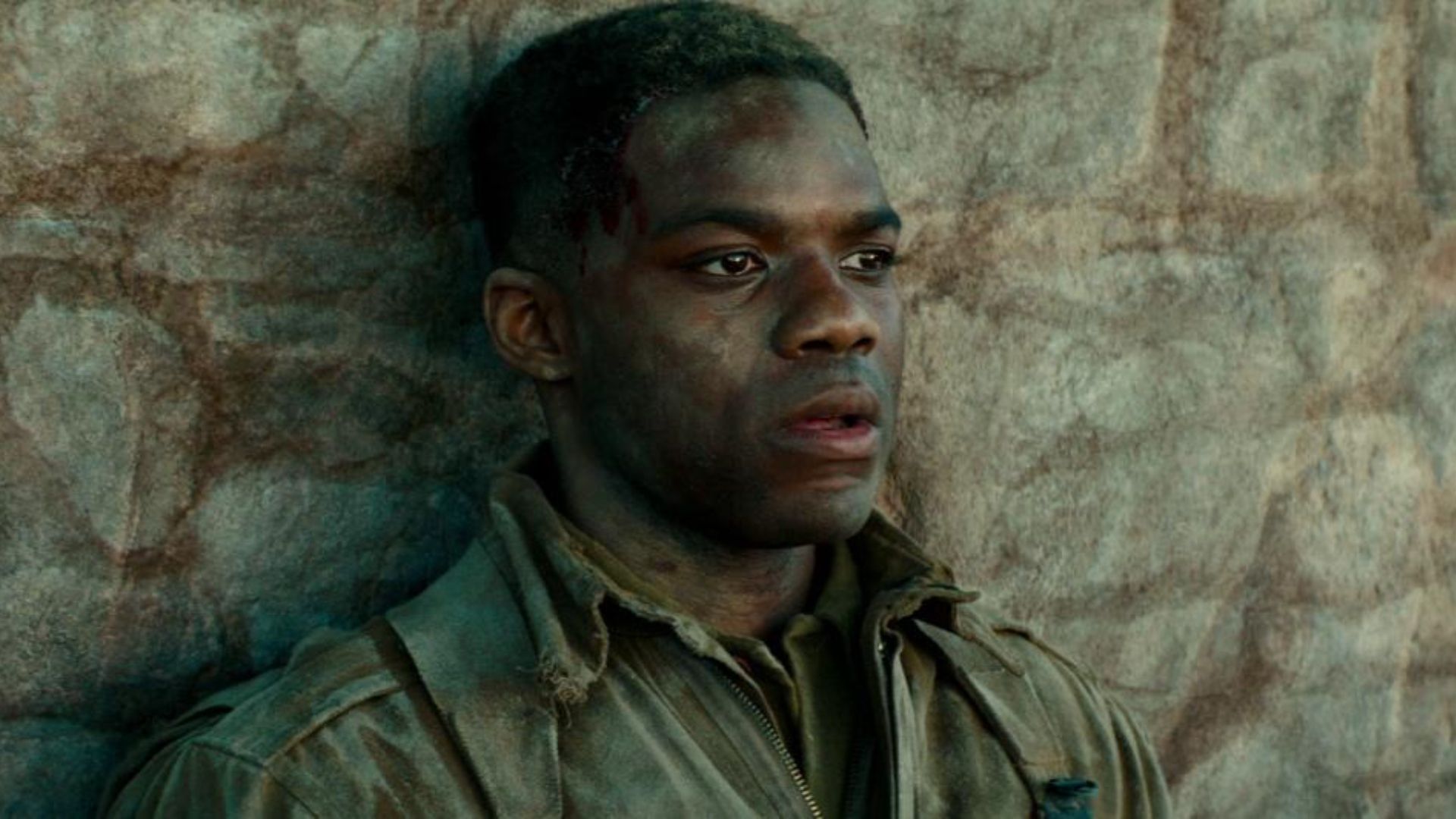
In simple terms, the central question posed by Overlord is whether humanity can withstand the horrors of war when confronted with the supernatural. The movie suggests that the struggle for survival against both human antagonists and supernatural forces is, at its core, a reflection of humanity’s fight against its own demons. Set against the backdrop of World War II, this unique blend of action and horror critiques the absurdities of war while plunging audiences into a relentless fight for survival.
Overlord, directed by Julius Avery, presents a narrative that transcends conventional war films by introducing elements synonymous with zombie horror. Initially, it captivates with its portrayal of a group of American paratroopers, whose mission is to demolish a German radio tower prior to the D-Day invasion. However, unexpected challenges emerge when their plane is shot down, leaving only a handful of survivors who must not only complete their mission but also grapple with something far more sinister lurking beneath the surface.
What defines Overlord as distinct in both the war and horror genres is its intertwining of gritty realism with fantastical elements. Critics have noted that while it grounds itself in the ugly truths of wartime, it escalates into absurdity with terrifying consequences, a blend that some may find disconcerting yet refreshingly original. The juxtaposition of the harrowing realities of military conflict against the grotesque imagery of reanimated corpses invites viewers to examine the psychological toll of warfare.
The monstrous transformations of the Nazi soldiers into zombies stem from a clandestine experiment led by a mad scientist—a clear nod to the archetypal horror trope of the misguided pursuit of power through unethical science. Each character faces not just external combatants but must also confront their inner fears, struggles, and moral dilemmas.
Central to the film is Private Ed Boyce, portrayed by Jovan Adepo, who embodies the everyman caught between duty and survival. His decisions illustrate resilience in the face of overwhelming odds, emphasizing the theme of human tenacity amidst chaos. The interplay among the remaining soldiers reveals contrasting responses to horror: some succumb to despair while others rally for hope. This spectrum serves to evoke a sense of camaraderie that is critical in war narratives, even as it becomes increasingly complicated by their grotesque environment.
Boyce’s character arc draws parallels to individuals fighting against their own fears, mirroring how the psychological impacts of war can manifest into tangible horrors. The allusion to Resident Evil through the zombified adversaries amplifies this connection, making it explicitly clear that combat extends beyond firearms and bombs—the real struggle lies within their minds.
What makes Overlord compelling is how it skillfully weaves foreshadowing and thematic clues throughout its plot. Early scenes set the stage for an exploration of camaraderie under duress, while subsequent sequences hint at deeper layers of horror lurking in the shadows. The gradual revelation of the horrifying experiments hints at a philosophical inquiry: to what lengths will humanity go for power? This theme resonates throughout the film as the soldiers' horrors parallel contemporary fears concerning ethical boundaries in science and warfare.
Visual cues abound; dark, claustrophobic environments amplifying tension serve not just as film language but as representational spaces for the characters’ internal struggles. This use of setting brilliantly reinforces the central narrative and offers rich material for analysis.
As the film progresses toward its climax, survival becomes paramount. The battle sequences—visceral and chaotic—provide a symbolic context: they reflect not just the fight against external enemies but also the characters’ confrontations with their fears. The surprises within the narrative, including profound revelations and hair-raising moments, contribute to a rollercoaster experience, successfully merging genres and challenging expectations.
Ultimately, the conclusion serves as a commentary on the nature of horror, particularly how it parallels war. By confronting their fears, the main characters embody a poignant critique of the human condition, suggesting that the most profound monsters may be the very systems of power that created them. Furthermore, the film’s resolution ingeniously ties back to its core themes of survival and morality.
Overlord stands out within its genres for not merely relying on suspense and shock, but for its incisive look at the human experience. It invites viewers to examine the complexity of fear, power, and morality within a broader societal context, urging reflection long after the credits roll. Much like its predecessors in the war-horror genre, Overlord raises questions about the cost of power, both in war and through scientific ambition.
Notably, it resonates with other genre-blending films like Jacob's Ladder, which itself explores the psychological aftermath of war, albeit from a distinctly different angle. Audiences who appreciated Overlord may find value in revisiting these similar themes within the horror and war genres.
The streaming resurgence of Overlord on platforms like Paramount+ offers a chance for a new audience to engage with a film that defies easy categorization. As it challenges conventional depictions of war and horror, it provides a unique standpoint on both genres, merging action with existential commentary. This blend underscores the significance of thematic storytelling and invites further exploration of character choices, thematic depth, and narrative structure. Viewers are encouraged to ponder the intersections of horror, morality, and the absurdities that persist within the realities of conflict today.
For more analyses on genre-bending films, check out Decoding Jason Statham's The Beekeeper: Action Thrills and Themes and 5 Action Thrillers That Outshine John Wick.
Movie explanation
EpisodeBreakdown may use automated tools to assist research, drafting, and formatting. Published pages are governed by our editorial and corrections policies, and source links are shown when they are available in the article record.
Discovery source: MovieWeb. The source identifies where the topic was discovered; EpisodeBreakdown is responsible for the commentary published on this page.
Reader response
Reactions and poll results are based on real reader responses. No account is required.