Paramount Settlement Protects Pluto TV, Targets BET and Comedy Central
Paramount's settlement over its merger with Warner Bros. Discovery preserves Pluto TV while listing BET and Comedy Central as potential divestiture targets.
Paramount's $111 billion merger with Warner Bros. can proceed with minor legal guardrails, announced by California Attorney General Rob Bonta.
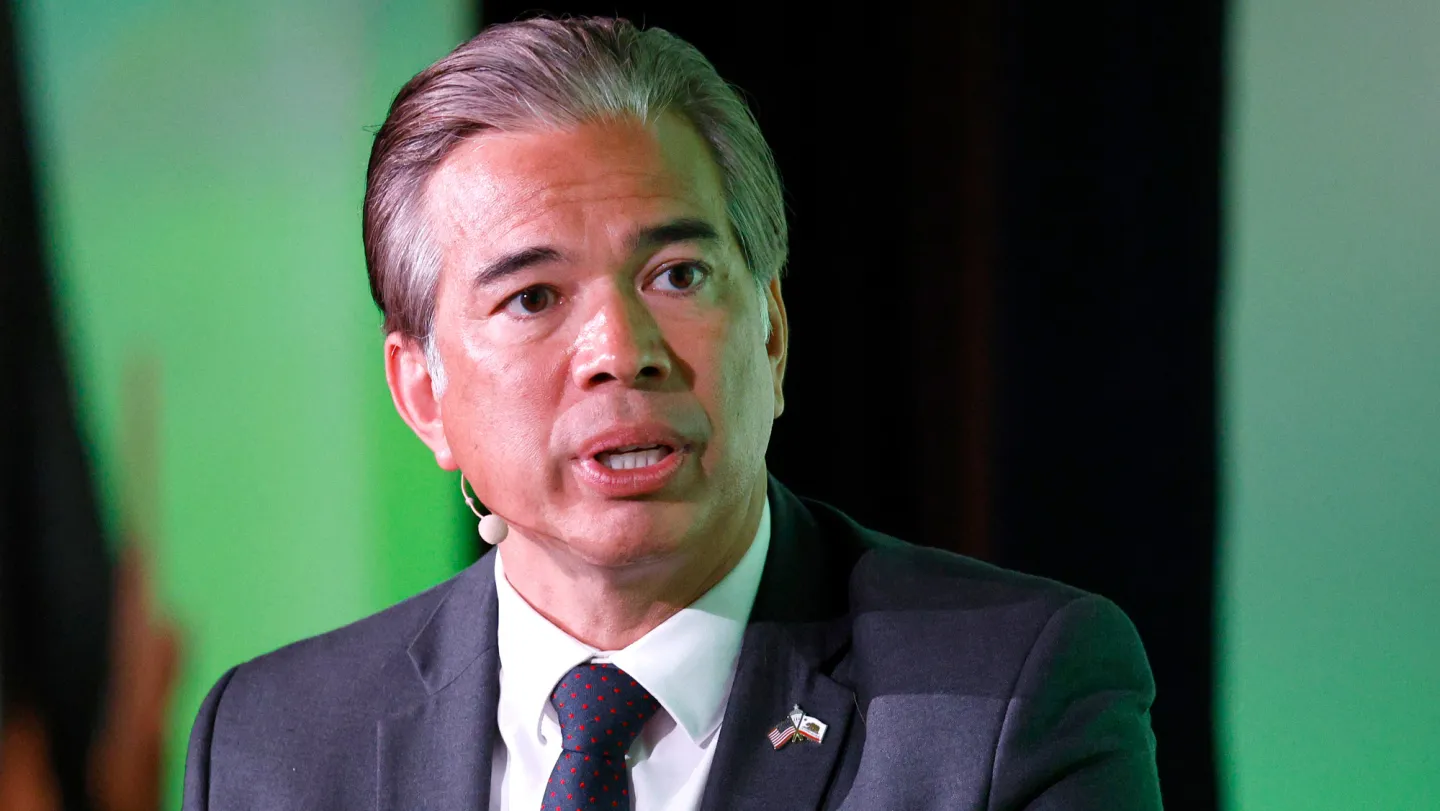
In a significant development for the entertainment industry, Paramount's $111 billion merger with Warner Bros. Discovery has been approved, as confirmed by California Attorney General Rob Bonta. This decision allows the merger to proceed with several commitments related to film production and media operations, while avoiding any substantial asset divestitures.
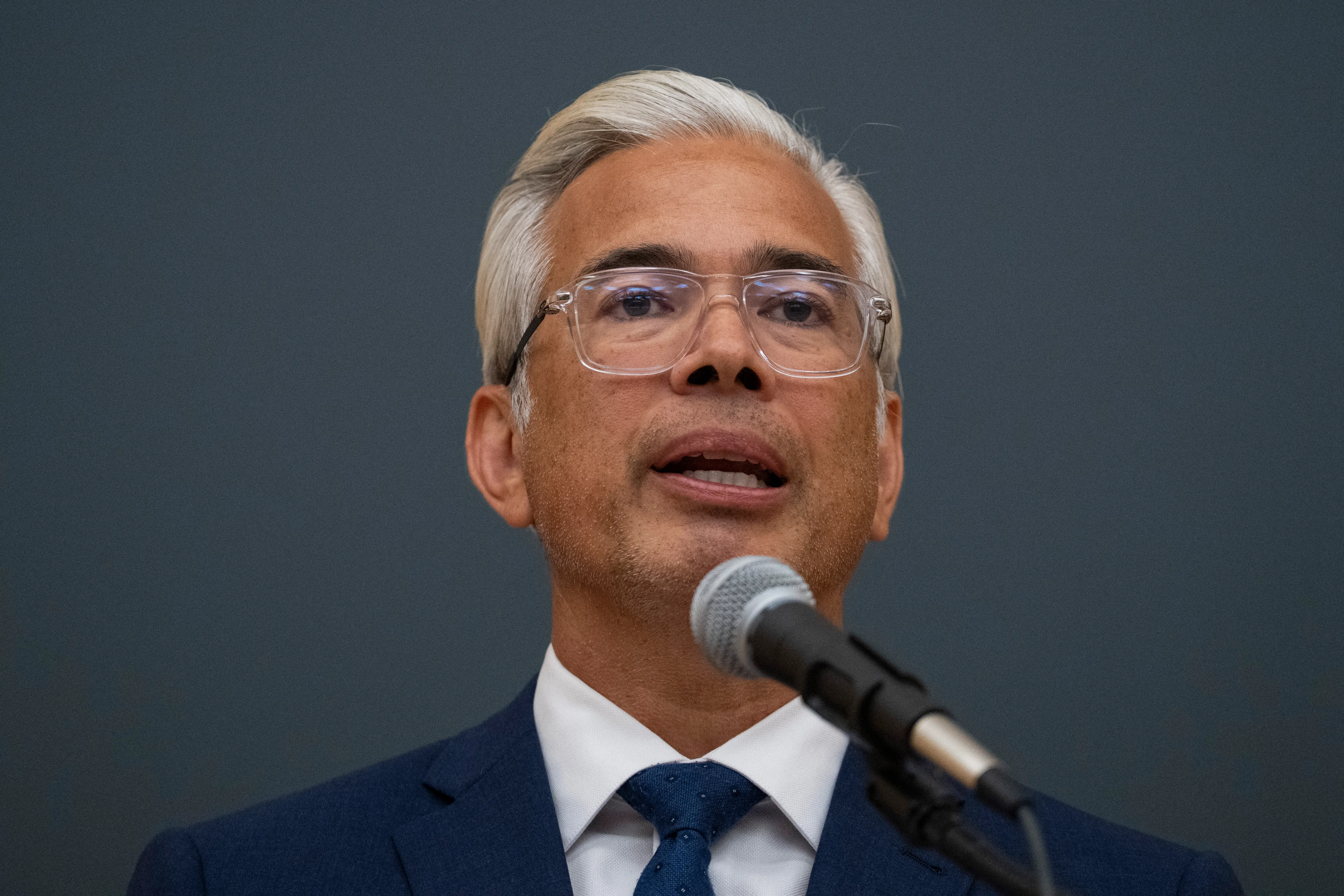
According to The Hollywood Reporter, the agreement stipulates that Paramount will implement guardrails on areas like domestic film production, cable channels, and editorial independence for news outlets, including CBS News and CNN. This development marks a critical step forward following a lawsuit from 12 states, which raised concerns over potential monopolistic practices resulting from the merger.
At a press event, Attorney General Bonta reiterated his opposition to the merger but acknowledged that the settlement addresses significant antitrust issues. As part of the negotiation, Paramount is required to invest $1.5 billion in domestic productions over the next five years, commit to producing 30 films annually, and allocate $9.5 million each year for workforce training in film and TV production communities. Bonta's assertions about the settlement fundamentally reshape the landscape of film production in California.
Moreover, the agreement includes a stipulation for Paramount to establish a $5 million annual fund to support independent filmmaking. Importantly, if the studio fails to meet its production commitments, it faces significant financial penalties, amounting to $30 million for each film not produced as pledged.
Interestingly, the merger terms specifically prevent Paramount from divesting its studio lots in Los Angeles for the duration of the five-year commitment. This restriction counteracts earlier speculation regarding the potential relocation of these studios to states with more favorable business regulations. Bonta emphasized the importance of maintaining job stability and industry presence in California amidst initial concerns that studio lots might be moved or sold.
While the concessions secured by the states may seem significant, the absence of more drastic asset divestitures raises questions about whether the merger's structure will fundamentally change. Critics, including members from the Writers Guild, have cautioned that a decreased number of major studios could limit opportunities for creators, potentially reducing bargaining power and access to diverse platforms.
In a wider context, this merger is poised to alter the dynamics of Hollywood, but the defined commitments may lead to only superficial changes in business practices in the short term. The focus on production numbers and diversity initiatives does not necessarily guarantee an increase in creative freedoms or job security for industry professionals. There remains an ongoing dialogue among industry watchers regarding the long-term implications of such consolidation.
The approval of the Paramount-Warner Bros. merger under these terms illustrates a cautious but strategic approach to consolidating major players in the entertainment space. While state attorneys may herald these concessions as a victory for regulatory oversight, the effectiveness of these commitments in fostering a competitive and vibrant media landscape remains uncertain. Supporters and critics alike will be closely monitoring how these commitments are upheld in practice and what that means for the future of film and television production.
For additional details on the implications of this merger, check our articles on Settlements in the Entertainment Sector and the Antitrust Challenges Facing Major Studios.
Entertainment news
EpisodeBreakdown may use automated tools to assist research, drafting, and formatting. Published pages are governed by our editorial and corrections policies, and source links are shown when they are available in the article record.
Discovery source: The Hollywood Reporter. The source identifies where the topic was discovered; EpisodeBreakdown is responsible for the commentary published on this page.
Reader response
Reactions and poll results are based on real reader responses. No account is required.