Paramount Settlement Protects Pluto TV, Targets BET and Comedy Central
Paramount's settlement over its merger with Warner Bros. Discovery preserves Pluto TV while listing BET and Comedy Central as potential divestiture targets.
Critics express discontent over the Paramount-Warner Bros. merger settlement, highlighting concerns about media independence and job losses.
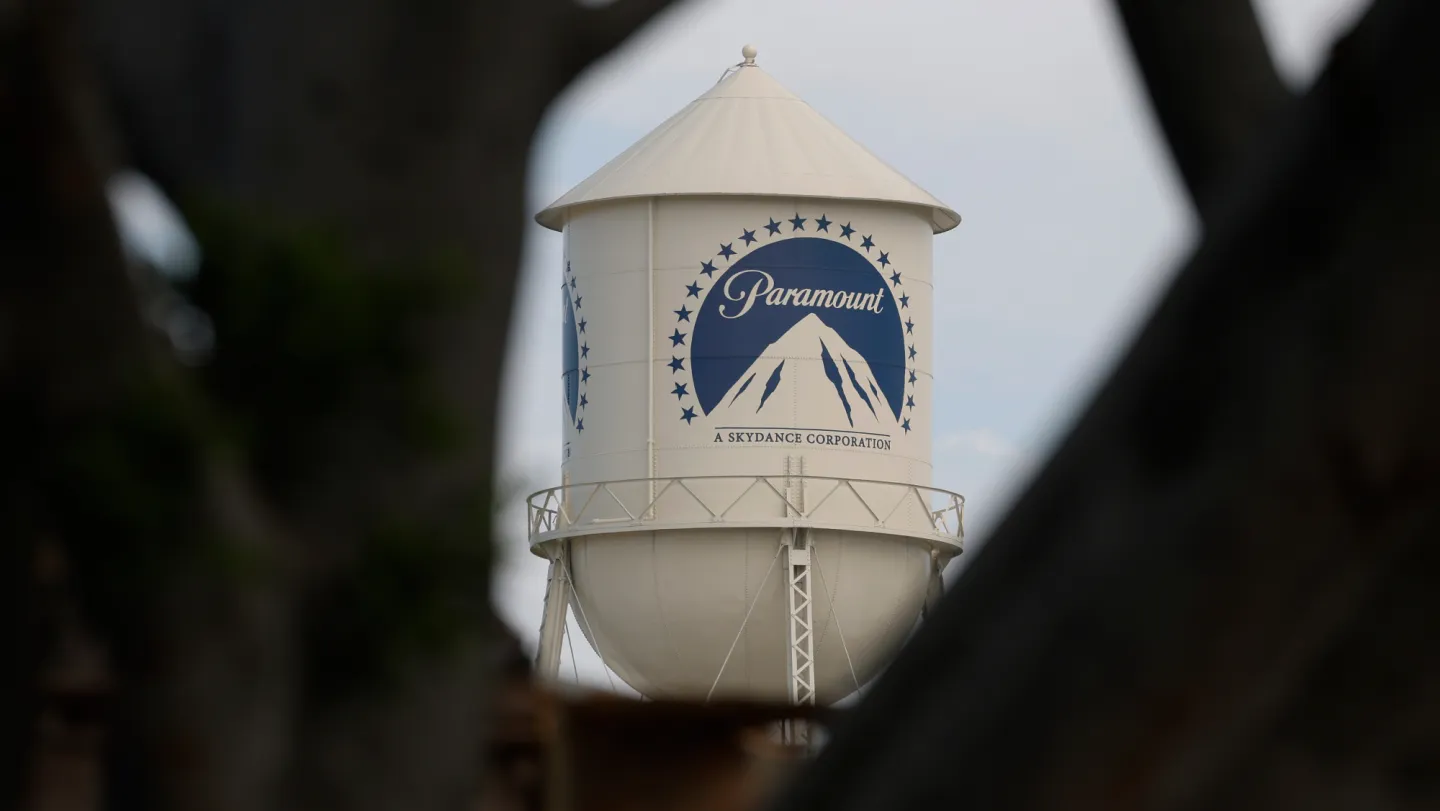
The recent settlement between 12 states concerning the Paramount-Warner Bros. merger has drawn substantial criticism from various stakeholders. Opponents assert that the deal is detrimental to the future of independent media, entertainment, and democracy in the United States. The settlement reportedly includes commitments for increased spending on U.S. film production, limits on price hikes at movie theaters, workforce training investments, and a promise to maintain the operational status of both Warner Bros. and Paramount production facilities. Critics argue that these commitments do not address the core issues of media consolidation and its ramifications.
On September 21, 2026, it was announced that the 12 states involved reached a settlement regarding the Warner Bros. Discovery (WBD) merger with Paramount. The Hollywood Reporter highlighted the importance of these developments shortly after the formal announcement. However, critics believe that while some commitments may sound positive, they fall short of safeguarding against job losses and the further concentration of media ownership.
The economic implications of this merger are significant. Reports from an L.A. County department indicate that approximately 4,500 jobs are directly at risk, along with 2,661 indirectly supported jobs. Local businesses, including florists and restaurants that rely on Warner Bros. and Paramount, face additional vulnerabilities. The economic impact extends beyond just job losses; the ramifications could affect small business contracts and consumer costs, resulting in higher bills for cable and movie tickets.
The political backdrop for these developments is fraught with tension. The Directors Guild of America has expressed cautious optimism about the agreement, acknowledging that it addresses critical concerns related to the merger. However, many vocal opponents, including actor Mark Ruffalo, have articulated strong disapproval. Ruffalo took to X (formerly Twitter) to voice that the merger represents a concession to powerful interests, indicating widespread concern that the merge serves the wealthy at the expense of average Americans.
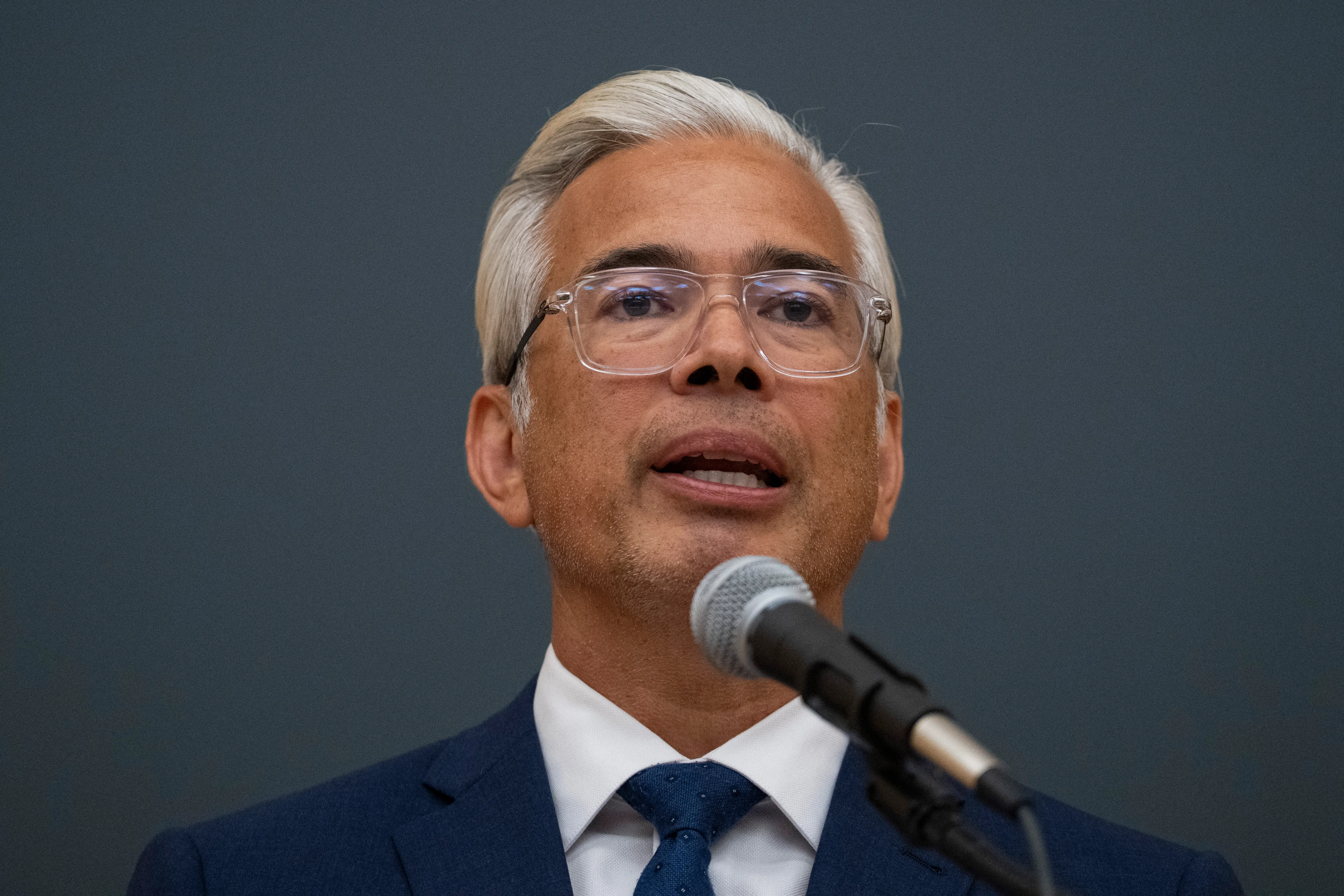
Opposition groups such as the American Economic Liberties Project and the Block the Merger Coalition have condemned the settlement, describing it as a "bad deal for the future of film, entertainment, independent journalism, and a strong democracy in this country." Alvaro Bedoya, a senior advisor to the American Economic Liberties Project, stated that the merger perpetuates a troubling trend of wealth consolidation in the media sector, which may lead to fewer choices for consumers and reduced diversity in news coverage.
While traditional media reactions have been critical, social media has become a battleground of opinions. The backlash against the merger has been palpable, and advocates for media independence have used platforms like X to rally public support against corporate-aligned greed. Observers note that the merger not only affects corporate dynamics but could also reshape the entire entertainment landscape as it increasingly moves toward centralization.
The reactions to the settlement emphasize a growing division over media consolidation and the concentration of power in the entertainment industry. Moving forward, the implications of this merger could significantly reshape not just corporate structures but also the broader workforce and independent media. As this situation develops, observers will continue to monitor whether the conditional agreements are effectively fulfilled, and if communities can safeguard their interests against these large-scale consolidations. The legitimacy of the concerns raised by various advocacy groups remains a crucial point of debate moving ahead.
Entertainment news
EpisodeBreakdown may use automated tools to assist research, drafting, and formatting. Published pages are governed by our editorial and corrections policies, and source links are shown when they are available in the article record.
Discovery source: The Hollywood Reporter. The source identifies where the topic was discovered; EpisodeBreakdown is responsible for the commentary published on this page.
Reader response
Reactions and poll results are based on real reader responses. No account is required.