movies
Exploring Sound and Emotion in Beatrice Gibson's 'At
Exploring Paul Newman’s disdain for comparisons to Marlon Brando sheds light on his unique artistry and character depth.
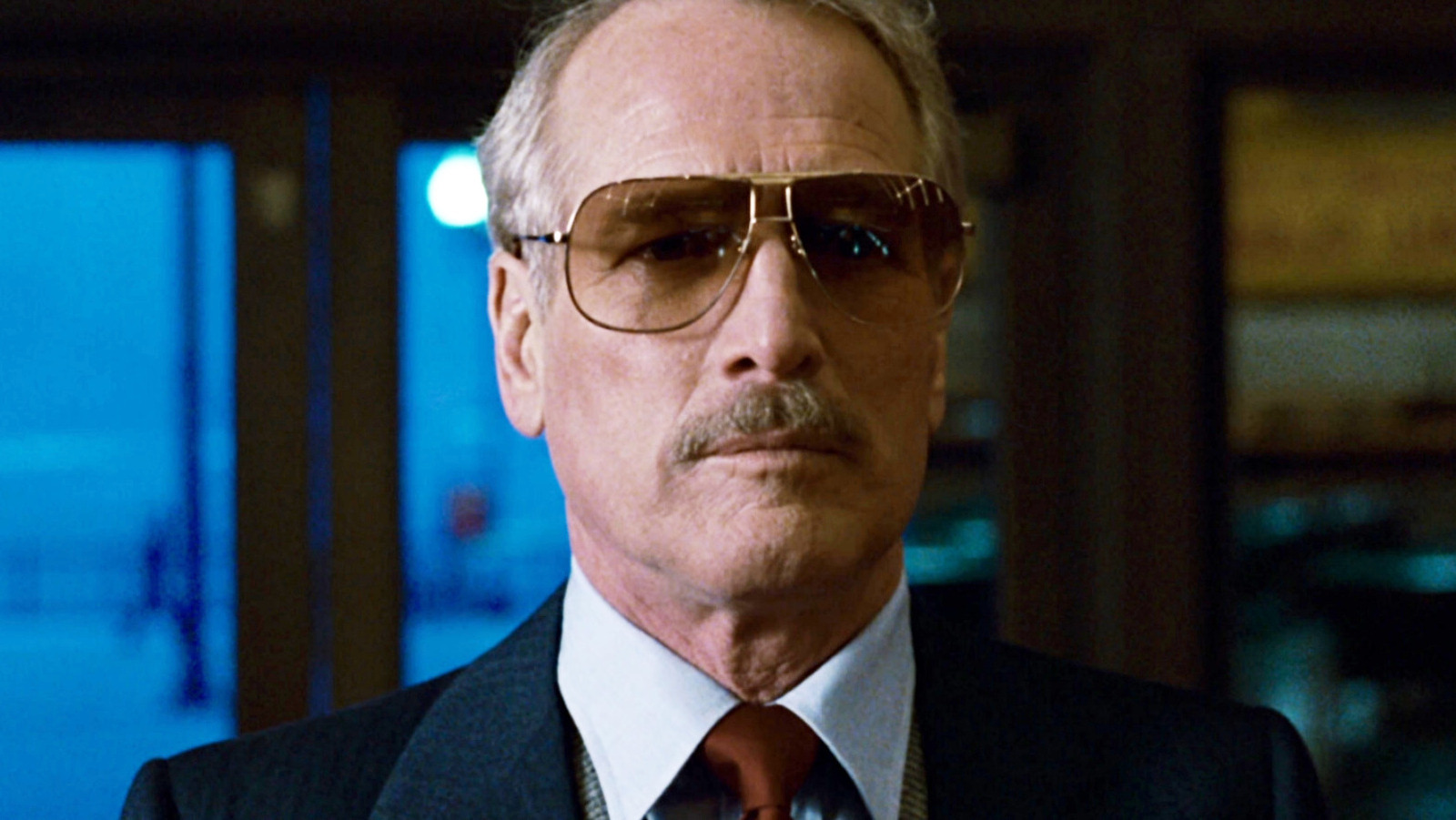
In simple terms, Paul Newman had a complex relationship with being compared to Marlon Brando, a fellow Oscar-winning actor. Newman openly expressed his distaste for such comparisons during interviews, particularly feeling that they diminished his individuality and artistry. He believed that Brando possessed a raw volcanic energy that he felt he could not replicate, making these comparisons not just inaccurate but also reductive of his capabilities as an actor.
Newman’s frustration indicates a central question: How does individual talent shape acting possibilities, and how can comparisons undermine that uniqueness? This leads us to explore the deeper significance of these two cinematic icons’ approaches to their craft.
One of the primary issues for Newman was the superficial nature of comparisons drawn by journalists. He criticized the tendency to pigeonhole actors into neat categories in a way that trivializes their extensive range and skill. According to Newman, when people remarked that he reminded them of Brando, they were neglecting the nuanced differences that make each actor distinct. This sentiment underscores a broader theme in the acting profession: the struggle for individuality against the backdrop of industry-wide categorization.
While Brando was known for performances loaded with internal volatility, such as in A Streetcar Named Desire, Newman found his own strength in the palpable complexity of his characters. For example, in The Hustler, Newman’s portrayal of “Fast” Eddie Felson captures the essence of a man grappling with his own failures while presenting a smooth exterior. While Brando’s style often emphasized emotional explosiveness, Newman’s characters often carried an undercurrent of self-awareness.
Newman’s comments during his 1963 interview with Oriana Fallaci reveal a deeper layer of discontent. He expressed a belief that the media often relies on easily digestible narratives, reasoning that sticking to celebrity comparisons is both lazy and misleading. He stated, "Nothing is more stupid than saying, 'Here’s another Brando.'" Here, Newman underscores the importance of personal evolution in an actor’s career, hinting that he found the comparisons reductive to his artistic journey.
This brings to light Newman’s self-critique. He didn't see the same explosive essence in his performances that he recognized in Brando's iconic portrayals. Rather than embrace the pandemonium inherent in acting, Newman preferred a grounded presence, even as he explored a variety of personas—be it a cowboy, surgeon, or gigolo. He articulated, "If I play a cowboy, I’m a cowboy. If I play a gigolo, I’m a gigolo." This approach signifies a deliberate choice to immerse himself fully into character rather than maintain a constant “star” persona throughout his performances.
Despite Newman’s assertions, a careful examination of his filmography reveals the depth and complexity of his characters often resonated with a particular honesty. For instance, in Hud, Newman’s portrayal as a flawed protagonist with a charming facade disguises a darker inner life. This capacity to embody characters who often grapple with their identities challenges Newman’s claim of lacking a Brando-like persona.
The transformative journey of characters in Newman's work could indeed be seen as an extension of the internal struggles that arguably mirrored Brando's. In later years, particularly in The Color of Money, Newman revisits his youthful character with a newfound wisdom, showcasing a remarkable arc in both character growth and self-awareness, demonstrating how actors evolve over time while along with their roles.
Newman’s self-reflection illustrates the actor's internal struggle not just with identity but also the perception of masculinity in Hollywood. His era demanded a unique form of masculinity that was sensitive yet strong—a quality also seen in Brando but executed differently. Newman’s ongoing challenge was embodying this “cool” masculinity while delineating it from the often raw emotionality associated with Brando.
Moreover, the insistence by critics and filmmakers to pair him with Brando fostered an unnecessary rivalry, evidencing the broader competitive nature within Hollywood. Here, the industry's preference for categorizations might serve more to undermine an actor’s integrity than celebrate it, making Newman’s critiques resonate as both a personal and industry-wide commentary on artistry and differentiation.
In light of the insights gathered from Newman’s feelings towards comparisons with Brando, what resonates is not just the skepticism about these labels but an invitation for audiences to engage more deeply with each actor’s distinctive artistry. Newman represented more than just a counterpoint to Brando; he delivered narratives rich in nuance, often demanding that viewers peel back the surface to truly appreciate the layered performances.
Their contrasting styles may serve as a reminder of the richness found in diverse approaches to storytelling, illuminating how individuality in the acting craft can enrich cinematic experiences. By valuing unique expressions and rejecting reductive labels, we honor each actor’s legacy in its entirety.
The legacy left by Paul Newman and Marlon Brando teaches us that comparisons, while natural in the realm of celebrity, can often cloud the appreciation of individual artistry. Newman's journey highlights an essential conversation about individuality and creativity within the film industry. As audiences, cherishing unique performances allows us to recognize the intricate craft of acting. This understanding could lead to a broader appreciation of character depth, enabling a richer engagement with films moving forward.
For those intrigued by the complexities of character and narrative, Newman’s filmography offers striking examples of how one can forge a distinct path in an industry rife with labels.
If you found this exploration compelling, check out our analysis of Jackass: Best and Last - A Wild Farewell to an Iconic Franchise and Liam Neeson’s ‘In the Land of Saints and Sinners’: A Netflix Hidden Gem.
Movie explanation
EpisodeBreakdown may use automated tools to assist research, drafting, and formatting. Published pages are governed by our editorial and corrections policies, and source links are shown when they are available in the article record.
Discovery source: Slashfilm. The source identifies where the topic was discovered; EpisodeBreakdown is responsible for the commentary published on this page.
Reader response
Reactions and poll results are based on real reader responses. No account is required.
Dive into the themes and soundscapes of Beatrice Gibson's 'At Night,' featuring Elvin Brandhi's experimental soundtrack.