test
asdasd
Discover Paul Newman's lesser-known TV debut in the sci-fi series "Tales of Tomorrow," which holds a unique place in history.
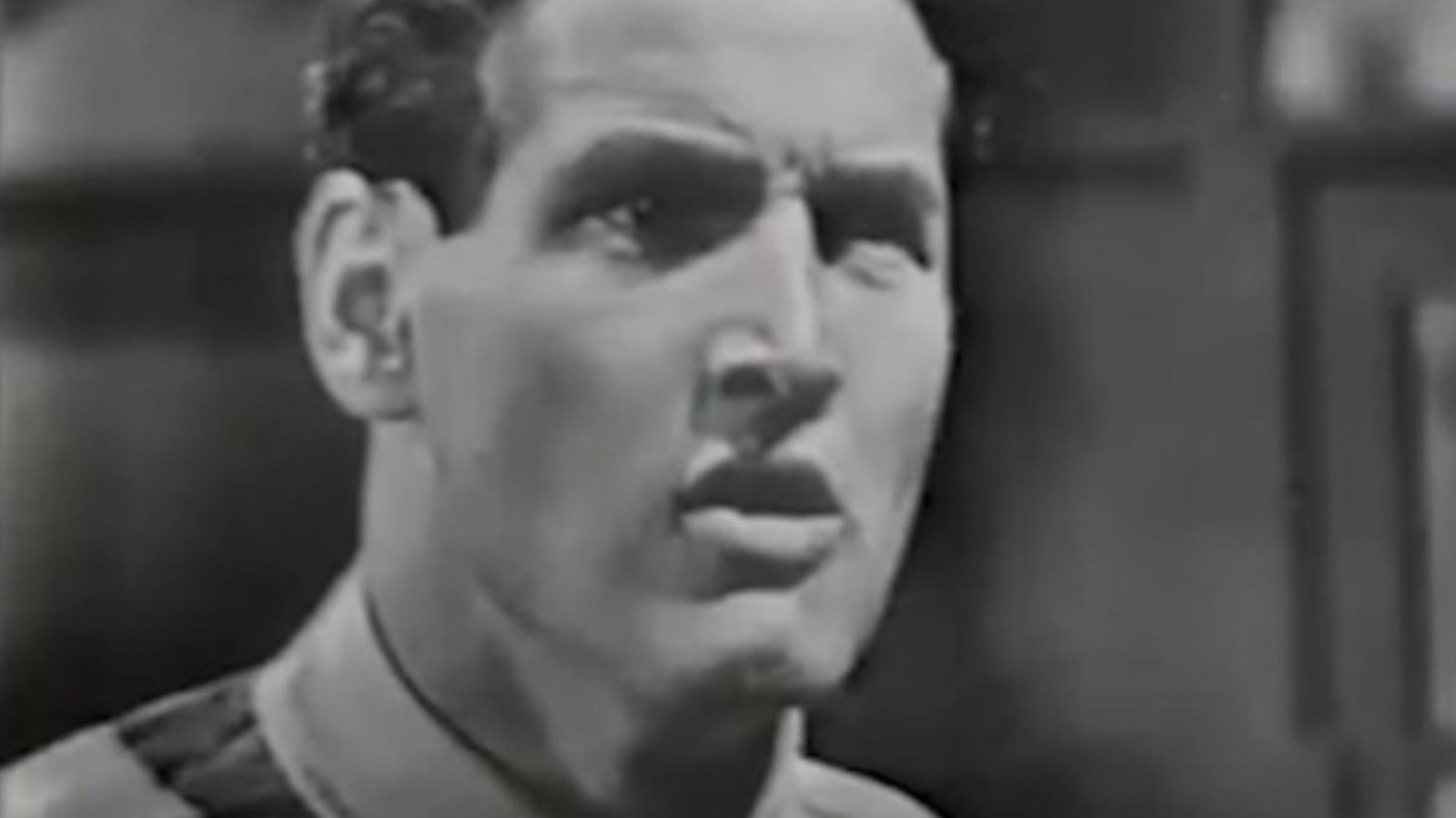
In simple terms, Paul Newman made his television debut in a 1950s sci-fi anthology series called "Tales of Tomorrow." This show, which deserves more recognition, features a blend of innovative storytelling and notable performances, showcasing Newman's early talent as a supporting actor. The episode featuring Newman, titled "Ice in Space," aired on August 8, 1952, and serves as a fascinating part of his legacy.
"Tales of Tomorrow" was a groundbreaking series for its time, airing on ABC for two seasons and encompassing a total of 85 episodes. It adapted various well-known sci-fi stories from luminaries like H.G. Wells, Mary Shelley, and Jules Verne, while also drawing on scripts from contemporary authors such as Arthur C. Clarke and Theodore Sturgeon. This anthology series laid the groundwork for much of the genre's narrative style today.
The show is often compared to today’s "Law & Order" for its anthology format and its ability to snag rising stars and established actors alike. Noteworthy appearances include legends like Boris Karloff, Lee J. Cobb, and even James Dean, making "Tales of Tomorrow" a fascinating part of film and television history, despite many episodes now being lost.
Unfortunately, the state of television archiving in the 1950s was poor, leading to most of "Tales of Tomorrow" being considered nearly lost. Presently, around 50 episodes are available for viewing in the public domain, found on platforms like the Internet Archive. This accessibility offers a unique opportunity for fans and historians to explore an important yet overlooked facet of sci-fi television.
While Newman's role as Sergeant Wilson in "Ice in Space" is relatively small, it marks a significant milestone in his career as it was his very first screen credit. The episode's premise revolves around a block of ice from space that exhibits properties similar to the fictional Ice-9 from Kurt Vonnegut's novel, "Cat's Cradle." This strange ice has the ability to freeze anything it comes into contact with, creating a tense atmosphere throughout the narrative.
Despite the limited special effects typical of early TV, the episode maintains a gripping quality due to its engaging dialogue and performances. The dynamic between the characters, particularly the Air Force Major (played by Edmon Ryan) and a congressman (Raymond Bailey), showcases a classic tension present in many sci-fi narratives and establishes a sense of urgency regarding the ice threat.
Interestingly, there are thematic similarities between "Ice in Space" and Christian Nyby’s "The Thing from Another World," although this episode focuses more on the ice phenomenon itself rather than a monstrous entity hiding within it. This narrative choice contributes to a tense, sweaty atmosphere that enhances the experience for viewers, making it a horror story in its own right.
Even though "Ice in Space" didn’t propel Newman to immediate stardom, it was undoubtedly a stepping stone to bigger roles. Newman's next credit was in "The Silver Chalice" (1954), which allowed him to showcase his talent in a larger film environment. Over the years, he evolved into a Hollywood icon, earning multiple Academy Award nominations throughout his career and achieving a significant level of fame by the late 1950s.
While "Tales of Tomorrow" may not have received the acclaim it deserved in its time, its impact on the genre and its place in history are undeniable. Paul Newman's participation, however minor, adds a layer of intrigue to the series, inviting viewers to explore not just his early work but the entire anthology.
For those interested in learning more about other notable performances and innovations in early television, be sure to visit related guides, such as What To Watch Saturday: Riverdale Stars In Movies, Penultimate Superman Episode, And More and The End of Raising Kanan and the Debut of Anna Pigeon.
In summary, Paul Newman’s debut in "Tales of Tomorrow" remains a hidden gem of television history. As viewed through a modern lens, this anthology series serves not only as a historical context but also as a testament to the early days of science fiction storytelling on television. Watching the existing episodes allows contemporary viewers to appreciate both the evolution of the genre and Newman's remarkable career trajectory—an inspiring tale of growth for aspiring actors.
The status of many episodes as lost media invites further exploration and reflection on what cinema and television history tells us about storytelling methodologies and actor developments in their formative stages. The mysteries surrounding some of these narratives remain, but the legacy of "Tales of Tomorrow" and Newman himself will undoubtedly endure as important parts of film and television history.
Episode breakdown
EpisodeBreakdown may use automated tools to assist research, drafting, and formatting. Published pages are governed by our editorial and corrections policies, and source links are shown when they are available in the article record.
Discovery source: Slashfilm. The source identifies where the topic was discovered; EpisodeBreakdown is responsible for the commentary published on this page.
Reader response
Reactions and poll results are based on real reader responses. No account is required.