test
asdasd
Exploring how groundbreaking female characters have reshaped the shonen genre for future generations.
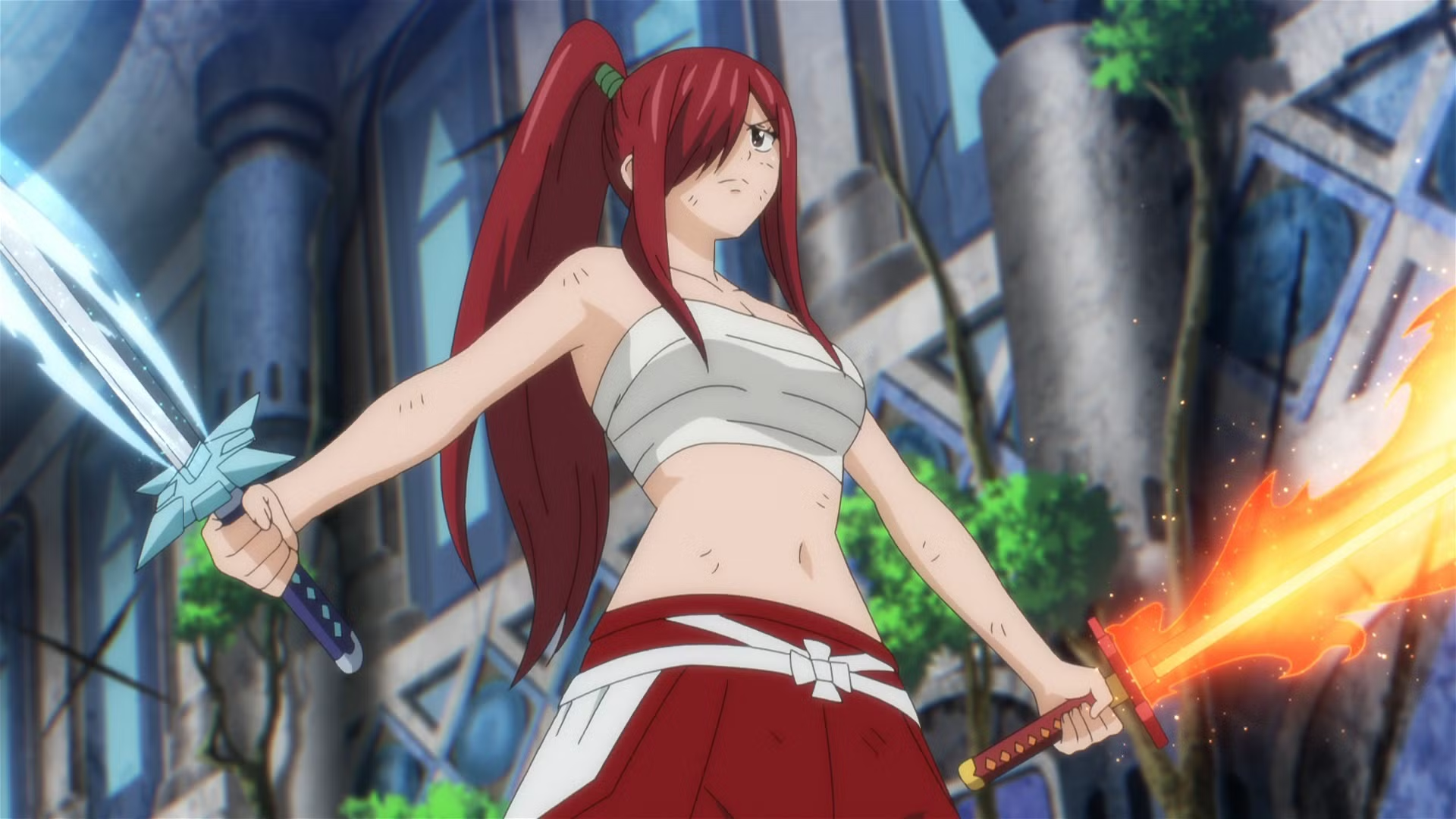
In the world of anime, the shonen genre has typically been dominated by male protagonists and narratives focused on their growth and battles. However, a remarkable shift has occurred over the years, thanks in large part to the introduction of powerful female characters. These trailblazers have not only challenged long-standing conventions but have also expanded the possibilities within shonen storytelling.
Traditionally, female characters in shonen anime were often relegated to supporting roles or depicted as love interests. However, the emergence of strong, multifaceted female characters has begun to redefine their place in these narratives. Characters like Nami from One Piece and Erza Scarlet from Fairy Tail have proven that women can be just as influential, capable, and compelling as their male counterparts.
Nami, the brilliant navigator of the Straw Hat Pirates, epitomizes resilience and intelligence. Her journey from a thief to a cherished member of the crew showcases her growth and resourcefulness. Not only does she play a critical role in battles with her strategic mind, but her backstory also highlights themes of trauma and recovery, making her a relatable and inspiring figure for fans.
Erza Scarlet, known for her incredible strength and diverse armory of magical weapons, breaks the archetype of the typical female character in shonen. Her character arc in Fairy Tail emphasizes bravery, loyalty, and the complexity of personal relationships. By showcasing her vulnerabilities alongside her strength, Erza becomes a symbol of empowerment, inspiring many viewers to embrace their own strengths and to fight against adversity.
The contributions of these characters have rippled through the anime community, affecting how newer series portray female leads. Shows like My Hero Academia and Demon Slayer have introduced strong female characters who not only contribute significantly to the plot but also possess depth and complexity. Mina Ashido and Nezuko Kamado are perfect examples of how modern shonen can embrace diversity and showcase the strength of women.
In My Hero Academia, Mina Ashido embodies a blend of fun and fierce. As a student at U.A. High School, she demonstrates that heroism comes in various forms, and her quirks add a unique flavor to the team dynamics. Her character arc hints at the potential for growth and the importance of teamwork, making her a relatable figure for aspiring heroes.
Nezuko, from Demon Slayer, is another powerful female character who has left a mark on the shonen genre. Despite her transformation into a demon, she remains a figure of empathy and strength. Her protective instincts towards her brother Tanjiro and her ability to fight alongside him highlight the theme of familial bonds, showcasing that strength isn't always loud; sometimes, it’s found in quiet resilience.
These characters pave the way for a new era of representation in anime. They challenge gender norms and inspire a more inclusive narrative within shonen. As fans advocate for more diverse stories, the demand for complex female characters continues to grow. This is not just a trend; it’s a fundamental shift in storytelling that acknowledges the importance of all voices.
The discussion surrounding powerful female characters in shonen anime is not just about representation; it's about the evolution of storytelling itself. Fans are eager to see how these characters will continue to shape the genre. The success of series featuring strong female leads suggests that audiences are ready for narratives that embrace complexity and challenge stereotypes.
The impact of powerful female characters in shonen anime cannot be overstated. They have transformed the genre, pushing boundaries and inspiring both creators and viewers alike. As we look to the future, it’s clear that these characters will continue to play a pivotal role in shaping anime narratives, ensuring that the world of shonen is as diverse and dynamic as the audiences it serves.
In the end, the evolution of female characters in shonen not only enriches the genre but also empowers fans to see themselves reflected in the stories they love. As we celebrate these trailblazers, we anticipate more groundbreaking narratives that challenge conventions and inspire new generations of viewers.
Entertainment news
EpisodeBreakdown may use automated tools to assist research, drafting, and formatting. Published pages are governed by our editorial and corrections policies, and source links are shown when they are available in the article record.
Discovery source: CBR Anime. The source identifies where the topic was discovered; EpisodeBreakdown is responsible for the commentary published on this page.
Reader response
Reactions and poll results are based on real reader responses. No account is required.