
‘Paper Tiger’ and ‘Musk’ Documentary Featured at 2026 SFIFF
The 2026 Santa Fe International Film Festival showcases key titles including 'Paper Tiger' and 'Musk', marking an exciting lineup for this year.
Republicans achieve a significant legal victory in campaign advertising ahead of midterms as the Supreme Court halts a prior decision favoring Democrats.
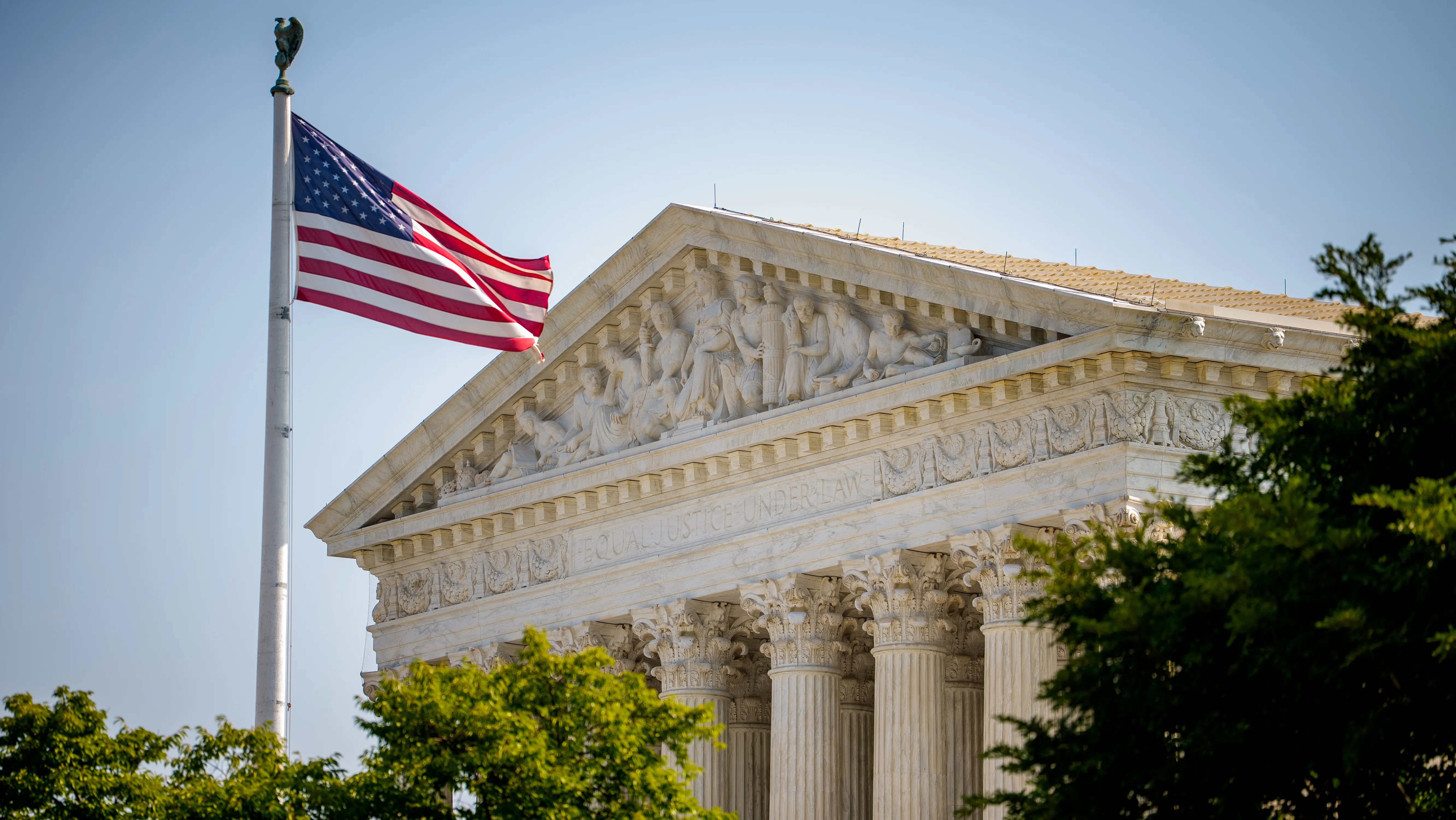
Republicans have secured a pivotal legal victory concerning campaign television advertising rates, as confirmed by a recent ruling from the Supreme Court. This decision, announced on September 5, 2026, comes as a crucial clarification just ahead of the midterm elections. The Supreme Court's ruling responds to an emergency appeal requested by the GOP, which saw support from the Trump administration, temporarily reversing a previous decision made by a lower court that had leaned in favor of Democratic candidates.
As reported by Deadline, the Supreme Court intervened just in time to prevent the implementation of a lower-court ruling. That prior decision sought to cap discounted broadcast ad spots specifically for candidates, causing concerns among Republican party officials. The Federal Communications Commission (FCC) has asserted that certain party-coordinated advertisements should also qualify for similar discounts, which could impact overall campaign strategies for the upcoming elections.
The Supreme Court highlighted that the earlier ruling may have curtailed the ability of party committees to effectively reach voters during a critical pre-election period, thereby increasing costs associated with campaign advertising. The court's memo notes that changes to existing rates could hamper the GOP's outreach efforts as they ramp up their visibility before voters.
This legal battle escalated following a challenge led by four Democratic officials, including Georgia Senator Jon Ossoff, who sought a favorable decision from the U.S. 4th Circuit Court of Appeals. That court ruled against Republican arguments. In response, the National Republican Congressional Committee and National Republican Senatorial Committee filed the emergency appeal to the Supreme Court, asserting that the lower court issued its ruling prematurely. The Supreme Court's latest involvement is significant amid ongoing discussions surrounding election-related advertising, particularly as the midterms approach.
The ramifications of this ruling could significantly shape the landscape of political advertising leading up to the midterm elections. By overturning the lower court's ruling, Republicans may have greater flexibility in purchasing airtime, allowing them to more competitively position themselves against Democratic candidates who would have operated under stricter limitations.
Furthermore, as one election season fades into another, the decision emphasizes continuous legal tussles surrounding advertising transparency and cost regulations. The ability for party committees to access discounted rates is a crucial factor in their overall campaign strategies, and this ruling could spell a broader shift in how political advertising is managed moving forward.
With this Supreme Court victory in hand, Republicans will likely intensify their advertising campaigns as they move closer to the election date. Although the ruling provides immediate advantages, it remains to be seen how Democrats will respond strategically. As the political landscape evolves, attention will turn to the effectiveness of these ads and whether the ruling will translate into a tangible electoral advantage.
For more details, read about other political developments, such as Gov. Newsom's response to GOP redistricting efforts earlier this year, which also play a crucial role in shaping electoral dynamics.
In summary, the Supreme Court's decision marks a critical juncture in campaign advertising regulations that could have lasting impacts on the political narrative leading into the midterms.
Entertainment news
EpisodeBreakdown may use automated tools to assist research, drafting, and formatting. Published pages are governed by our editorial and corrections policies, and source links are shown when they are available in the article record.
Discovery source: Deadline. The source identifies where the topic was discovered; EpisodeBreakdown is responsible for the commentary published on this page.
Reader response
Reactions and poll results are based on real reader responses. No account is required.