Robert De Niro's Cop Land Returns to Streaming Today
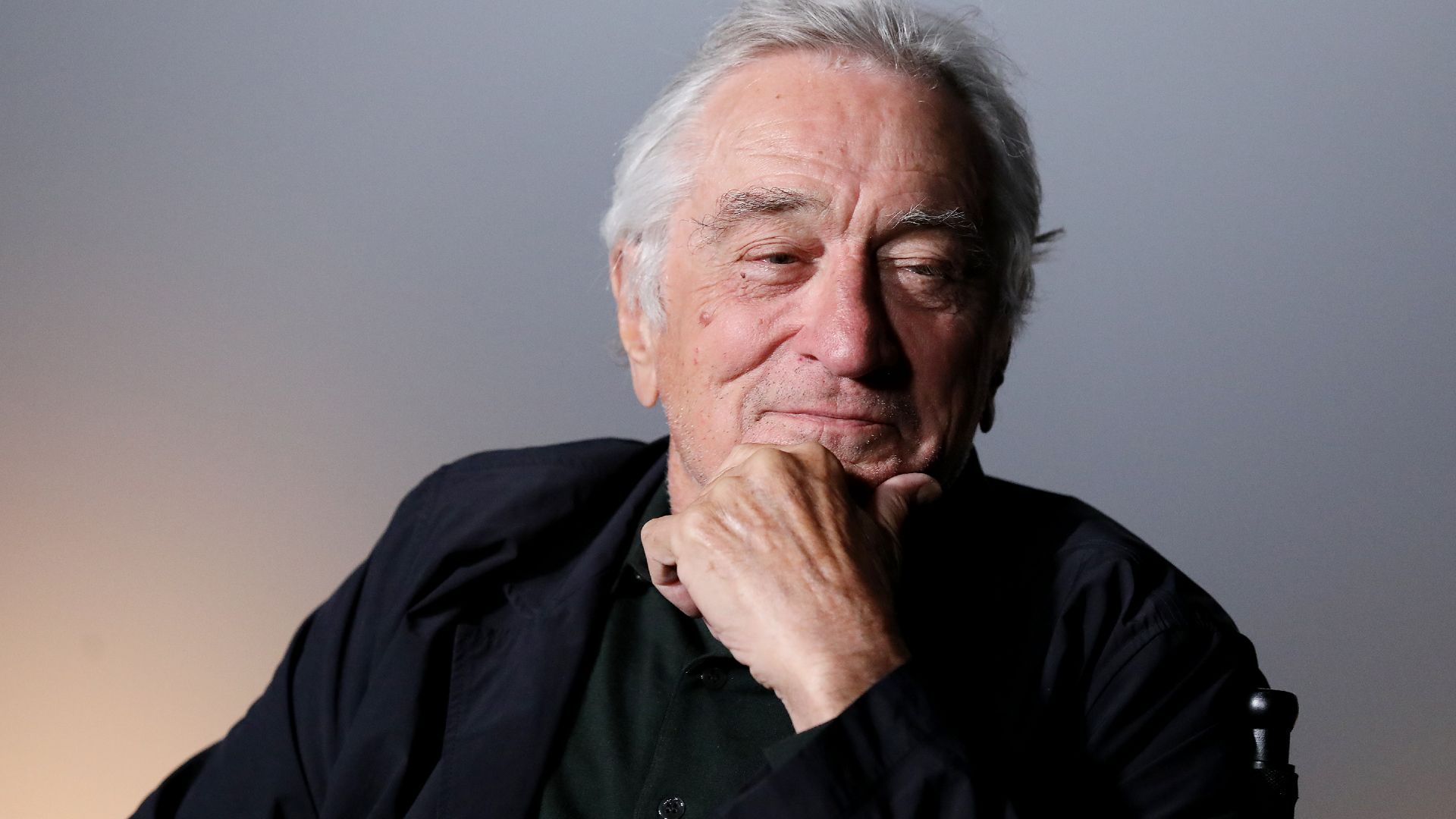
Robert De Niro's gritty crime thriller Cop Land is now back on streaming services, offering viewers a nostalgic revisit of this classic film.
Explore the depth of Michael Crichton's 'Rising Sun,' a 1993 thriller overshadowed by 'Jurassic Park,' revealing its themes, character dynamics, and cultural implications.
In simple terms, Michael Crichton's 'Rising Sun' raises critical questions about race, cultural representation, and economic fears within the realm of 1990s America. What happened is that this murder mystery, released simultaneously with the iconic 'Jurassic Park,' offers a gritty commentary that was met with significant scrutiny yet is oft-forgotten. While 'Jurassic Park' captured the imagination of audiences with dinosaurs and thrill, 'Rising Sun' presented a darker narrative tangled with political and cultural concerns, which ultimately led to its fade into obscurity.
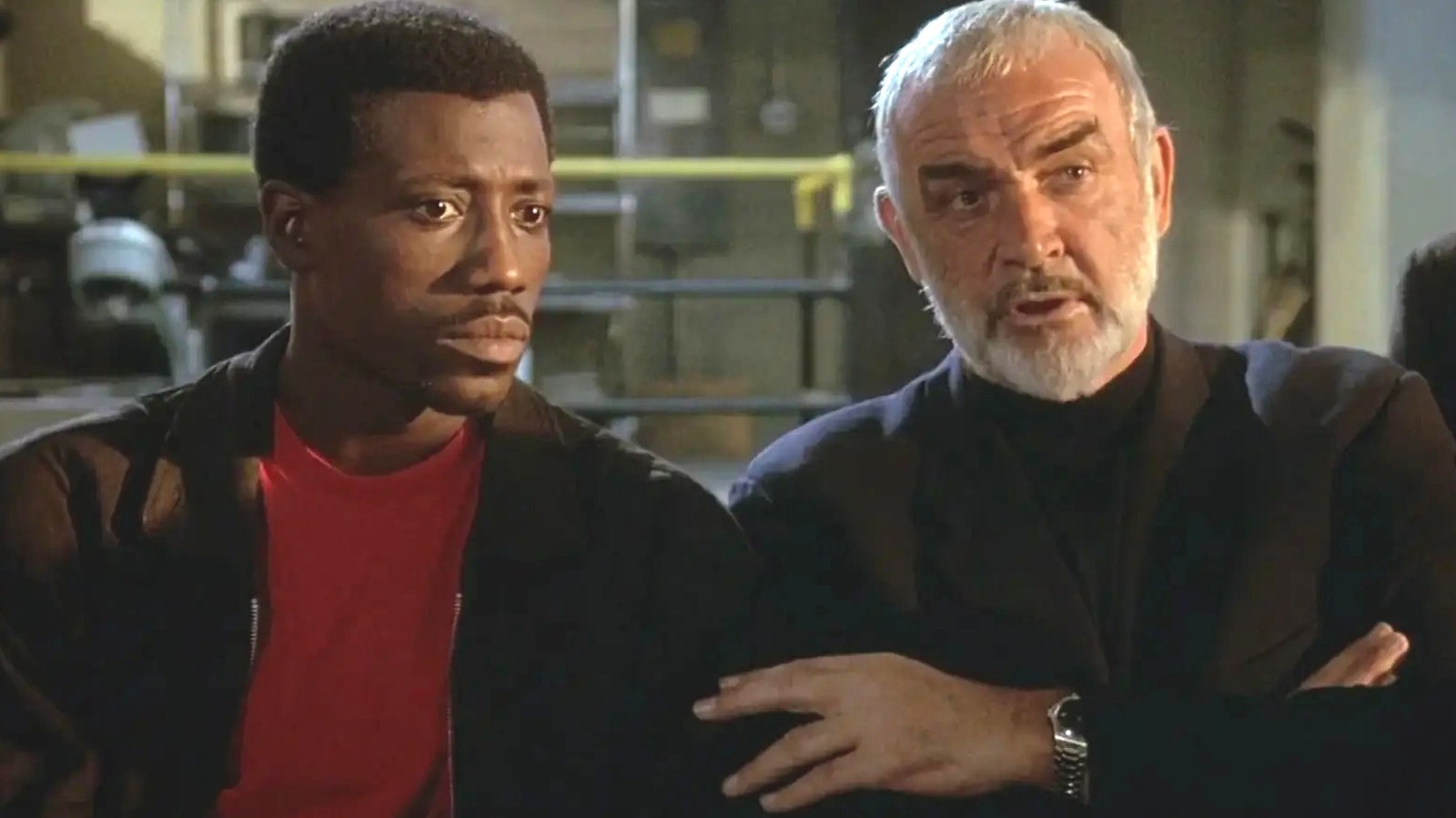
'Rising Sun' revolves around the investigation of a sex worker's murder in a Los Angeles high-rise linked to a Japanese business consortium. The film features a powerhouse cast, including Wesley Snipes and Sean Connery, with the latter portraying an expert in Japanese culture. This pairing explores the Americans' uneasy interaction with Japanese business practices, serving as a backdrop to unravel the complexities of the murder mystery. The film's storyline intricately explores themes of race, power dynamics, and economic tension.
Here is what is confirmed: The portrayal of Japanese people and culture in 'Rising Sun' faces criticism for being reductive and exoticized. While the plot attempts to critique the increasing economic dominance of Japan over America, it often resorts to stereotypes, relegating Japanese characters primarily to supporting roles. Connery's character embodies a Western savior archetype, delivering insights into the 'Japanese mind' which raises eyebrows regarding its cultural sensitivity. Here lies the controversy: critics accused Crichton of racism, suggesting that the characterization falls prey to dangerous generalizations.
On the surface, 'Rising Sun' carries a lighthearted, comedic tone, especially as Snipes and Connery navigate various neighborhoods in L.A. This approach risks undermining the film's more serious intellectual inquiries into race and economic power, an aspect some critics attribute to its failure to resonate effectively. Roger Ebert, a noted film critic, notably panned the film for its shallow treatment of significant themes, suggesting that while it nudges against racism and economic rivalry, it ultimately prioritizes plot mechanics over deeper commentary. The film's moment of comedic relief may serve to detract from its potential to generate more profound discussions.
As the investigation unfolds, audiences witness not just a whodunit but also a character-driven narrative where expertise clashes with experience. Connery’s character savors the role of the overly intelligent detective handling the investigation while Snipes is portrayed as the observant, somewhat passive partner. This dynamic transforms what could have been a balanced partnership into one where the mentor-mentee relationship tilts dangerously toward one-dimensionality, limiting Snipes’ character development. Critics argue this reinforces damaging stereotypes—highlighting black characters as merely sidekicks to their white counterparts.
The conclusion of 'Rising Sun' encapsulates its underlying tensions while delivering an unexpected twist related to the identity of the murderer. However, unlike 'Jurassic Park' which celebrated life and wonder, the ending leaves audiences lingering in ambiguity, facing the harsh realities of the cutthroat business world. The lackluster resolution may frustrate viewers seeking closure, reflecting the evolving tensions inherent in American-Japanese relations during the 90s. The intricate plotting combined with the film's superficial engagement with critical issues ultimately leads to a dissatisfactory culmination, echoing earlier critique of its thematic depths.
In a different vein, while audiences enjoy fantastical landscapes in 'Jurassic Park,' 'Rising Sun' stands as a darker, more complicated narrative—a time capsule regarding American fears of cultural displacement and economic power shifts. Such themes are relevant today, where globalization continues to reshape cultural landscapes—making 'Rising Sun' worth revisiting despite its problematic execution. For further context into the broader narrative themes of films during this era, one could explore the interconnectedness of cultural commentary in other works like 'The Super Mario Galaxy Movie.'
Ultimately, 'Rising Sun' serves as an important reminder of Hollywood's complex relationship with race, culture, and economic representation. As film enthusiasts reflect on Michael Crichton's legacy beyond his more celebrated works, it becomes evident that 'Rising Sun' reflects both the era's anxieties and provides a lens to understand ongoing dynamics in cross-cultural engagement. Despite the film's flaws, it allows viewers to engage in necessary conversations about representation and the risks of perpetuating stereotypes in media narratives.
Movie explanation
EpisodeBreakdown may use automated tools to assist research, drafting, and formatting. Published pages are governed by our editorial and corrections policies, and source links are shown when they are available in the article record.
Discovery source: Slashfilm. The source identifies where the topic was discovered; EpisodeBreakdown is responsible for the commentary published on this page.
Reader response
Reactions and poll results are based on real reader responses. No account is required.