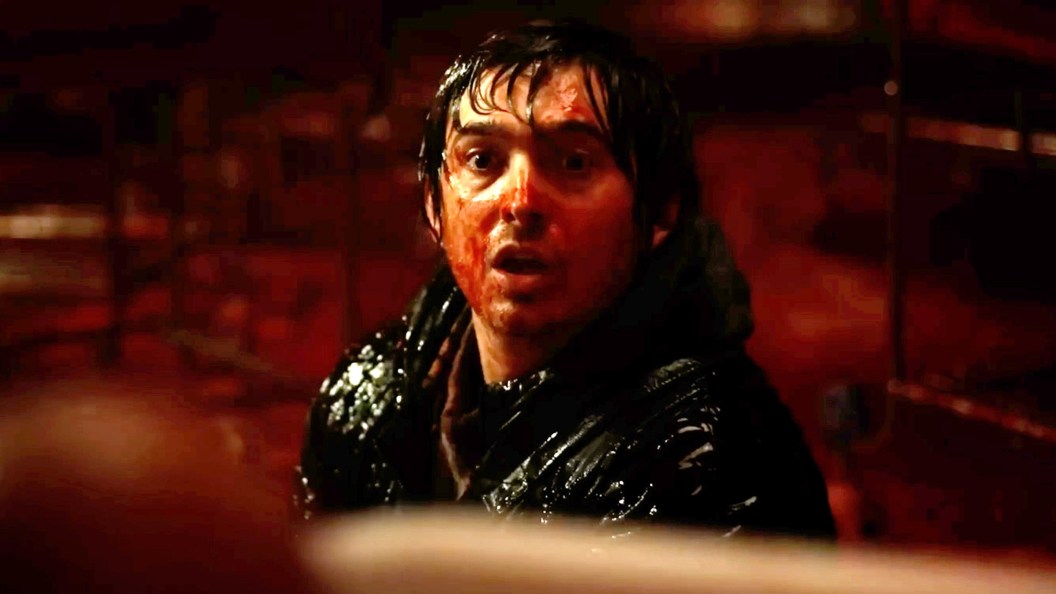
Hayden Christensen Responds to Darth Vader Solo Film Rumors
Hayden Christensen addresses rumors regarding a standalone Darth Vader film after reports of a potential multi-picture deal surfaced.
Explore Roger Ebert's surprising negative reviews of beloved 1980s films, including his zero-star rating for a franchise starter.

Roger Ebert, one of the most famous film critics, is known for his honest and often blunt reviews. This article explores his surprising critiques of four beloved 1980s films, revealing how his perspectives diverged from popular opinion. Despite their cultural significance and commercial success, these films received notably harsh evaluations from Ebert.
One standout film criticized by Ebert is "Police Academy" (1984), which received a rare zero-star rating. Ebert remarked that the film lacked even the most basic elements of humor, stating, "If there’s anything worse than a punch line that doesn’t work, it’s a movie that doesn’t even bother to put the punch lines in." This negative assessment contrasts sharply with the film's financial success, grossing nearly $150 million on a budget of about $5 million, and leading to multiple sequels and television adaptations.
Hellraiser (1987), despite being a seminal horror film that introduced the character Pinhead and cemented Clive Barker's reputation, received only half a star from Ebert. In his review, he expressed disappointment, calling it "a movie without wit, style, or reason," and criticized its lack of clever surprises. Although the film later garnered acclaim as a genre classic, Ebert’s dismissal highlighted a significant misalignment between his standards and the film's eventual legacy.
Ebert's one-star review of "Fast Times at Ridgemont High" (1982) focused on its vulgar content, describing it as a "scuz-pit of a movie." While he later acknowledged the performances of Jennifer Jason Leigh, Phoebe Cates, and Sean Penn, he criticized the film for its tastelessness, arguing that it represented a failure of tone and nerve. Despite this, the film is now regarded as a landmark in teen cinema.
Ebert’s review of "Blue Velvet" (1986) was particularly striking. Although the film holds a 91% rating on Rotten Tomatoes and is often discussed as an important work by David Lynch, Ebert awarded it only one star. He found the graphic content problematic and contended that such explicit material required a substantial narrative context to justify its inclusion. His assertion was, "When you ask an actress to endure those experiences, you should keep your side of the bargain by putting her in an important film."
The legacy of Roger Ebert’s critiques continues to influence film discourse today. His reviews serve as a reminder that critical reception does not always align with public sentiment. While critics may overlook certain aspects of popular films, these contrasting opinions enrich the cinematic landscape, fostering a dialogue about taste and appreciation.
Ebert's reviews highlight the complexities of film appreciation, demonstrating that cinematic tastes can be both subjective and informed by individual perspectives. His critiques remind us that even beloved films can ignite varied opinions, ultimately enriching cinematic discussion for audiences today.
Entertainment news
EpisodeBreakdown may use automated tools to assist research, drafting, and formatting. Published pages are governed by our editorial and corrections policies, and source links are shown when they are available in the article record.
Discovery source: ComicBook.com. The source identifies where the topic was discovered; EpisodeBreakdown is responsible for the commentary published on this page.
Reader response
Reactions and poll results are based on real reader responses. No account is required.