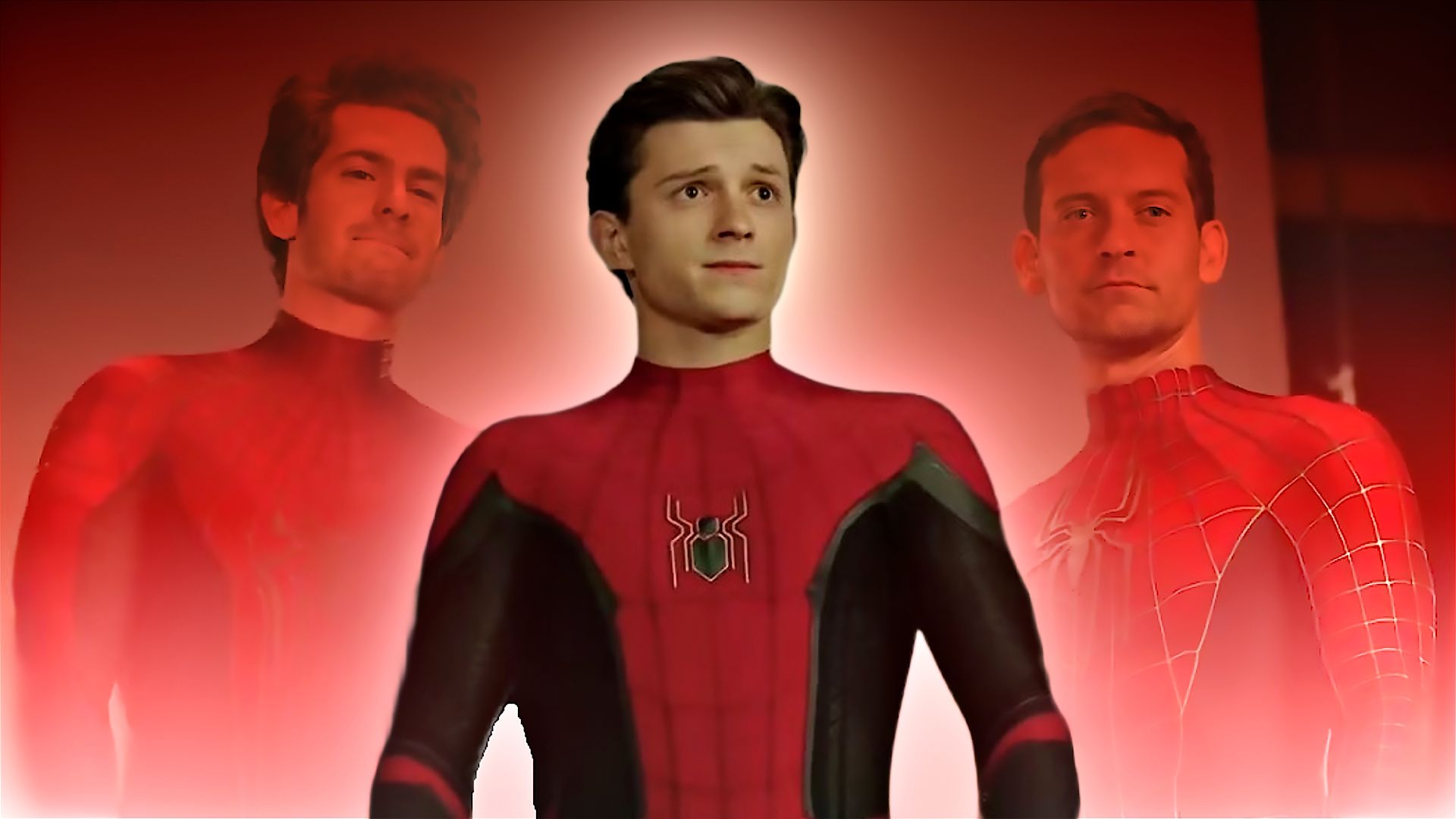
Spider-Man: Brand New Day Elevates Tom Holland as Peter Parker
Tom Holland’s performance in Spider-Man: Brand New Day redefines Peter Parker, showcasing a matured superhero fighting on the gritty streets of New York.
Rupert Grint shares how fatherhood influenced his unsettling role in Nightborn, reflecting deep parental fears in horror.
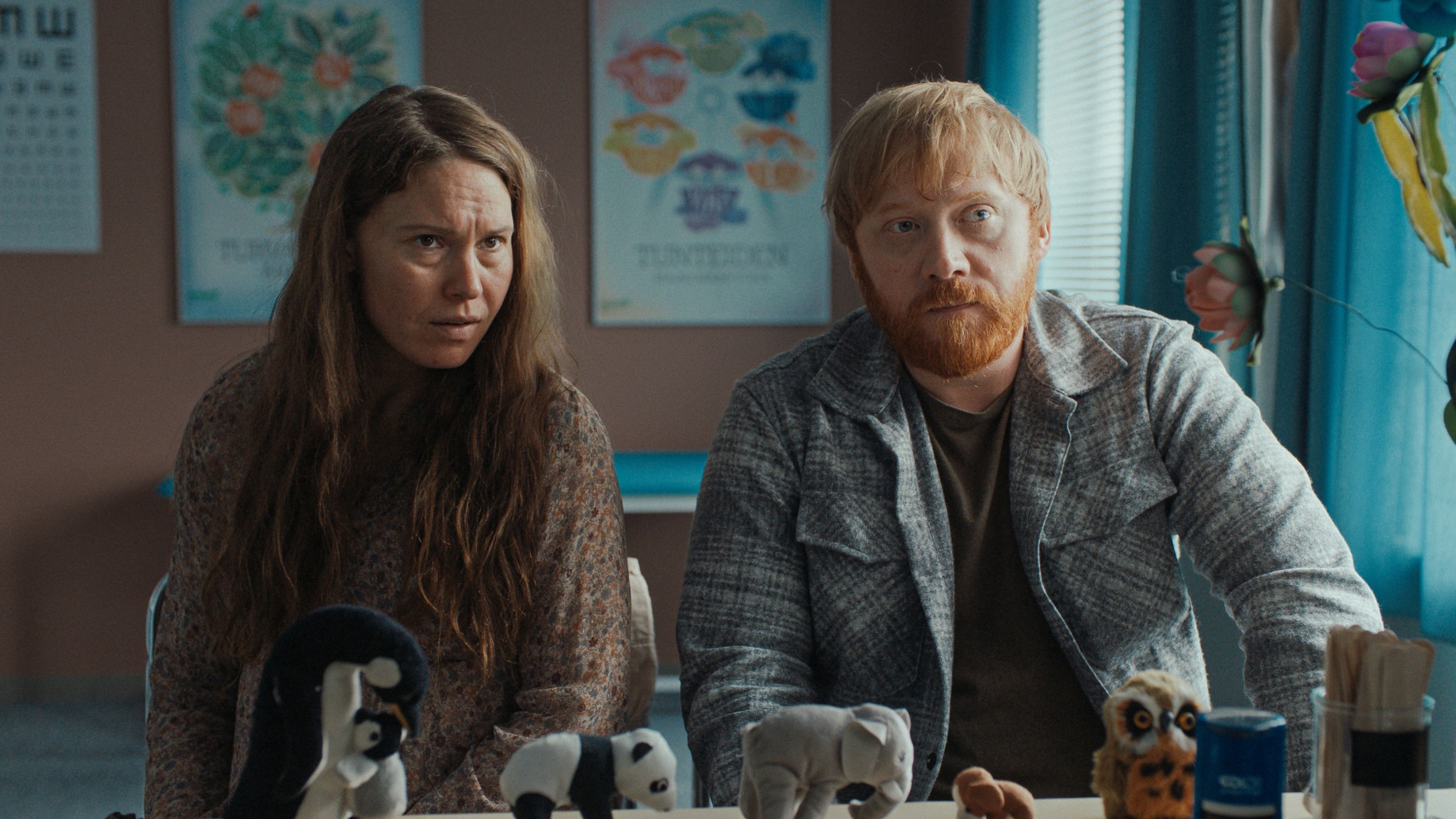
Rupert Grint’s choice to delve into horror narratives, particularly those featuring unsettling themes around parenthood, can largely be attributed to his own journey as a father. In his latest film, Nightborn, Grint examines these profound themes through his character, Jon, a British man who moves with his Finnish wife, Saga, into her childhood home nestled in a remote forest. Their dream of an idyllic family life quickly turns into a nightmare when Saga becomes convinced that dark forces threaten their newborn son. This storyline highlights the fragility of family dynamics under the strain of anxiety and fear, especially during the transformative experience of welcoming a new child.
Grint's career transition from Ron Weasley in the Harry Potter series to serious roles in the horror genre underscores a noteworthy evolution. He has engaged with various projects since, including Servant, Cabinet of Curiosities, and Knock at the Cabin, finding himself gravitating towards stories rich in psychological tension and parental fears. Grint noted that he hadn't consciously recognized the tendency toward these 'creepy baby stories' until it was brought to his attention, indicating a significant niche forming in his work.
The actor describes how his experiences as a father deeply connect him to the horror themes explored in Nightborn. He stated that becoming a father offers an 'all-encompassing' perspective, filled with awe and anxiety. Grint likens the experience of becoming a parent to having an 'alien' suddenly appear in one's life, emphasizing the instinctual fears surrounding this monumental change. This personal context enhances his portrayal of Jon, making the character’s struggles resonate on a profound level.
The screenplay of Nightborn captured Grint’s attention due to its exploration of deeply-rooted parental fears, a theme he was particularly attuned to since he was expecting another child during filming. The juxtaposition of horror and maternal instincts creates a powerful narrative, revealing the darker aspects of family life and fears of inadequacy as a parent. Significant is Grint's ability to present a male perspective on these fears, a rarity in a genre often focused on maternal anxieties.
Set against an isolated Finnish forest, the setting of Nightborn expands the emotional narrative by creating a claustrophobic and tense atmosphere for Jon and Saga. This physical isolation reflects the internal struggles they face, enhancing the horror that stems from societal pressures and the nuances of parenthood. The film utilizes practical effects and a style reminiscent of Grint’s previous projects, contributing to its unsettling atmosphere.
Nightborn intricately weaves subtle hints throughout the narrative, suggesting the unraveling connection between Jon and Saga. Grint’s characterization of Jon embodies a man caught between cultural dislocation and emotional estrangement, which amplifies the narrative tension. This balance of anxiety and anticipation keeps the audience engaged as deeper fears surface.
The incorporation of Scandinavian mythology enriches Nightborn, adding a layer of complexity to its thematic pursuits. This infusion of folklore allows Grint to navigate a narrative space that mixes reality with the fantastical. These folk elements serve both comfort and disturbance, mirroring Jon’s attempt to grapple with his wife’s fears.
The ambiguous ending of Nightborn leaves audiences questioning the fates of Jon and Saga, reflecting the overarching thematic motifs of fear and beauty inherent in parenthood. This complexity mirrors Grint's personal life, as he draws parallels between his experiences and the film's conclusion. It creates a lingering sense of unease regarding the couple's ability to overcome the shadows looming over them.
Rupert Grint’s continued exploration of horror through the lens of parenthood signifies a unique trajectory in his career, opening avenues for conversations about family dynamics and fears. Engaging with these profound themes enhances Grint's credibility as an actor, contributing to the ongoing evolution of horror to reflect deeper human emotions and parental challenges. As he progresses in his career, audiences can expect to see even more nuanced depictions of these unsettling experiences.
For those intrigued by similar themes, consider exploring films that delve into the dark complexities of parenthood, such as M. Night Shyamalan’s works, The Babadook, or Hereditary.
Movie explanation
EpisodeBreakdown may use automated tools to assist research, drafting, and formatting. Published pages are governed by our editorial and corrections policies, and source links are shown when they are available in the article record.
Discovery source: CBR Movies. The source identifies where the topic was discovered; EpisodeBreakdown is responsible for the commentary published on this page.
Reader response
Reactions and poll results are based on real reader responses. No account is required.