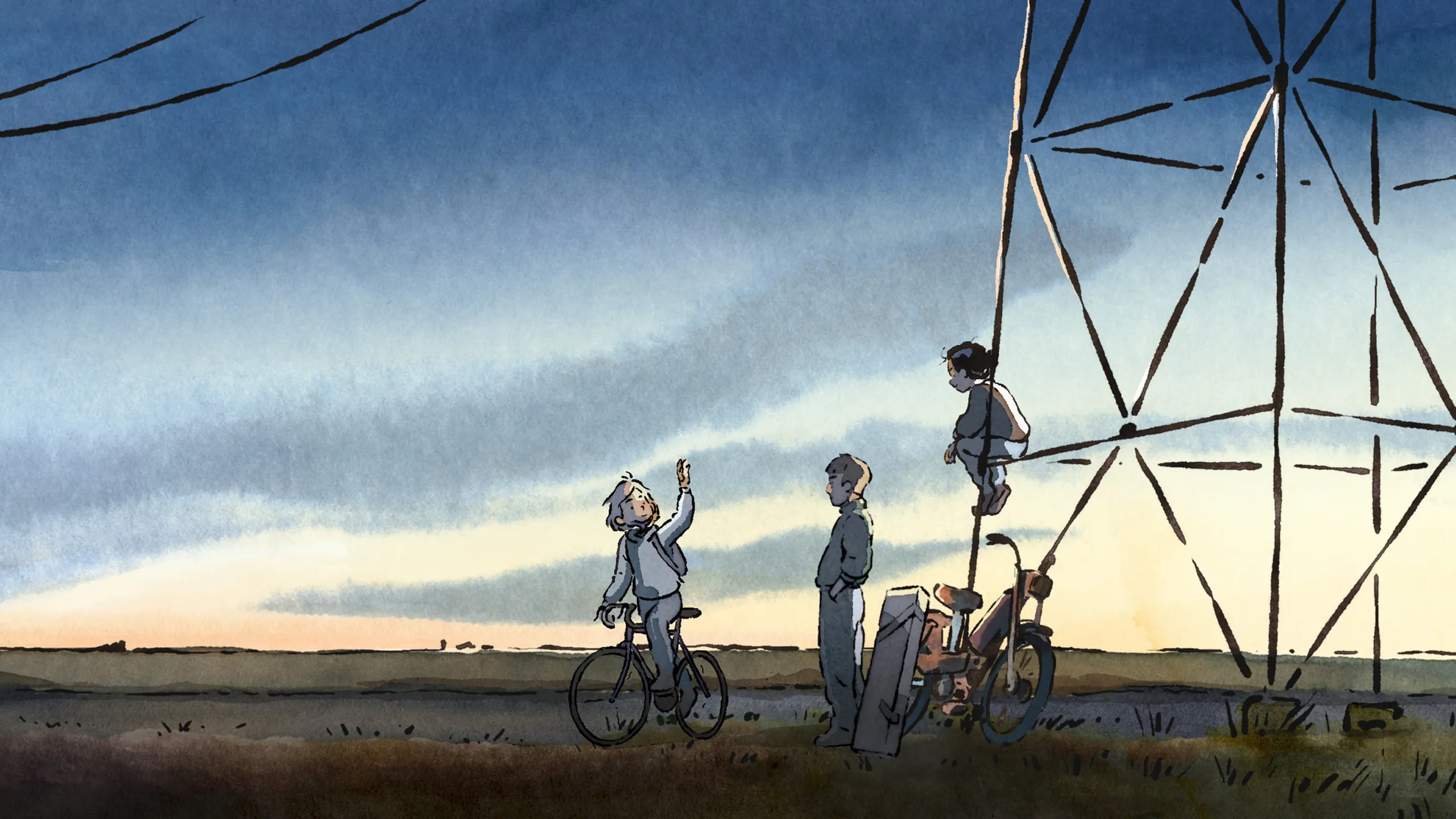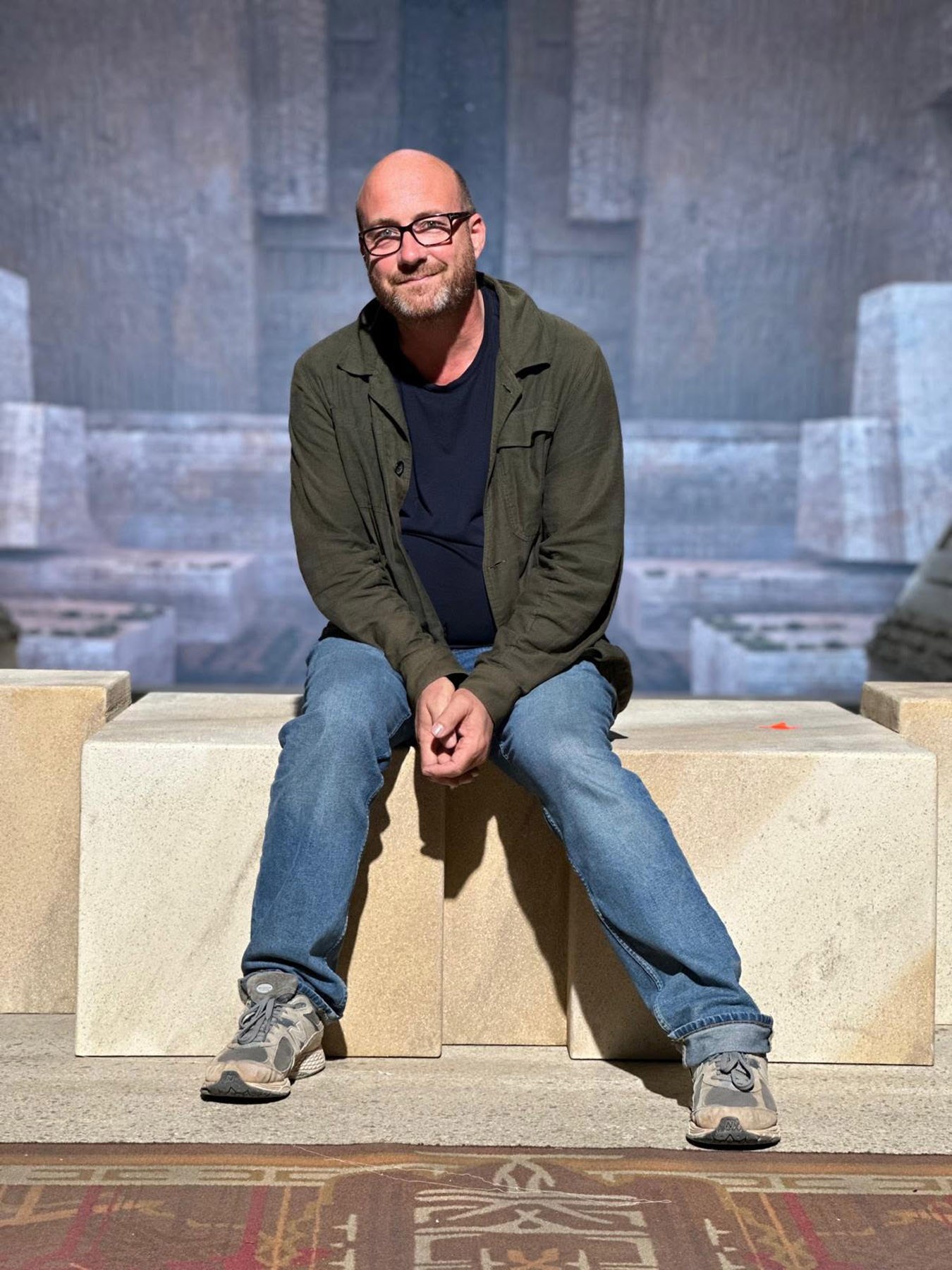
‘Paper Tiger’ and ‘Musk’ Documentary Featured at 2026 SFIFF
The 2026 Santa Fe International Film Festival showcases key titles including 'Paper Tiger' and 'Musk', marking an exciting lineup for this year.
Ilya Khrzhanovsky's film 'DAU' faces backlash at the Venice Film Festival due to its perceived ties to the Russian state amid ongoing geopolitical tensions.
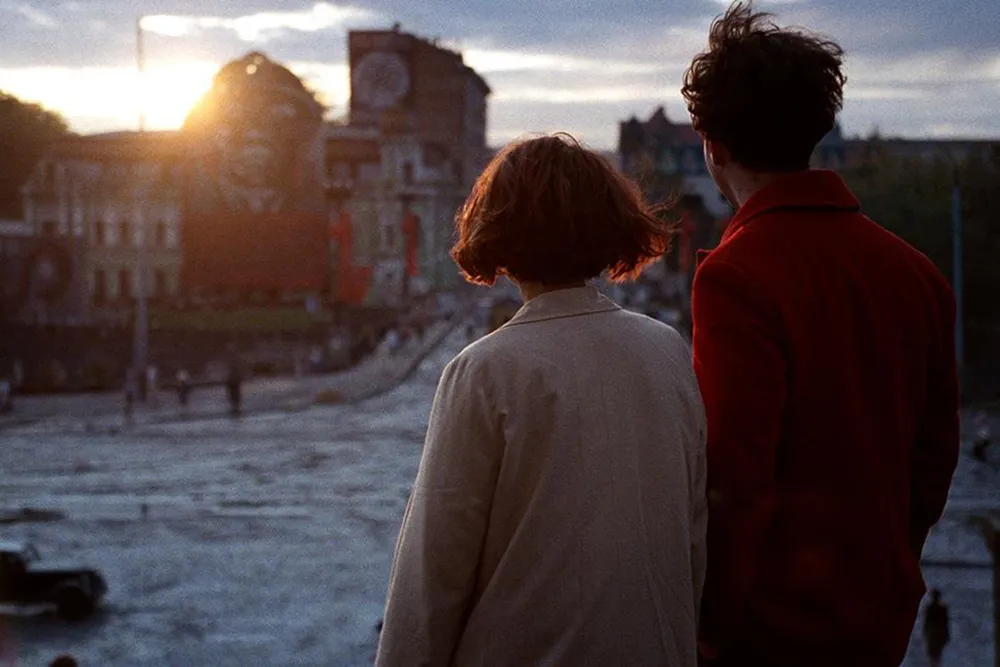
The Venice Film Festival's inclusion of DAU, directed by Russian filmmaker Ilya Khrzhanovsky, has sparked significant backlash, particularly from Ukrainian officials. This decision came to light in a report by Variety on September 6, 2026, highlighting tensions in cultural representation amid an ongoing conflict.
Following the announcement, Ukrainian authorities—including the Ministries of Foreign Affairs and Culture and the Ukrainian Embassy in Italy—issued a joint statement on August 17, criticizing the selection. They labeled DAU as closely linked to the Russian state and asserted that the film's presence aimed at restoring credibility to a regime regarded as a pariah due to its actions in Ukraine.
The controversy surrounding DAU raises broader questions about the representation of Russian artists at international festivals during turbulent times. Ukrainian officials emphasized that showcasing a film with connections to Russian state networks sends a dangerous message to the international community.
Artistic director of the Venice Film Festival, Alberto Barbera, defended the decision, clarifying that DAU should not be considered pro-Putin propaganda. Khrzhanovsky also addressed the controversy, affirming his commitment to Ukraine and stating that his film has not received Russian funding in recent years.
The inclusion of DAU reflects a larger trend concerning the return of Russian filmmakers to international festivals after Russia's full-scale invasion of Ukraine. In recent years, several notable Russian directors, such as Nastia Korkia and Andrey Zvyagintsev, have achieved significant acclaim at premier film festivals.
Khrzhanovsky, alongside fellow filmmaker Victor Kossakovsky, represents a complex narrative for Russian cinema. Both directors left Russia in the 2000s and now navigate their artistic identities in an evolving cultural landscape, often engaging with their experiences in exile.
As the conflict in Ukraine persists, many Russian filmmakers have established supportive communities in cities such as Tbilisi, Paris, Berlin, and Los Angeles. This diaspora has led to a reimagining of Russian cinema, with new works exploring the realities of exile and critiquing the socio-political climate in Russia.
Khrzhanovsky insists his upcoming project has severed ties with Russian funding and should be evaluated separately from its origins. This narrative is crucial for artists looking to regain legitimacy and support within the global film community.
The debates surrounding DAU highlight the complex nature of cultural representation within a politically charged environment. As Russian filmmakers attempt to reintegrate into the international circuit, the repercussions of their past affiliations with the Kremlin will significantly influence their reception. The ongoing dialogues about films from exiled directors will likely shape future festival programming and audience perceptions, contributing to the evolving landscape of international filmmaking amid geopolitical strife.
Entertainment news
EpisodeBreakdown may use automated tools to assist research, drafting, and formatting. Published pages are governed by our editorial and corrections policies, and source links are shown when they are available in the article record.
Discovery source: Variety. The source identifies where the topic was discovered; EpisodeBreakdown is responsible for the commentary published on this page.
Reader response
Reactions and poll results are based on real reader responses. No account is required.