Exploring Mrs. Claus in Violent Night 2: What Almost Was
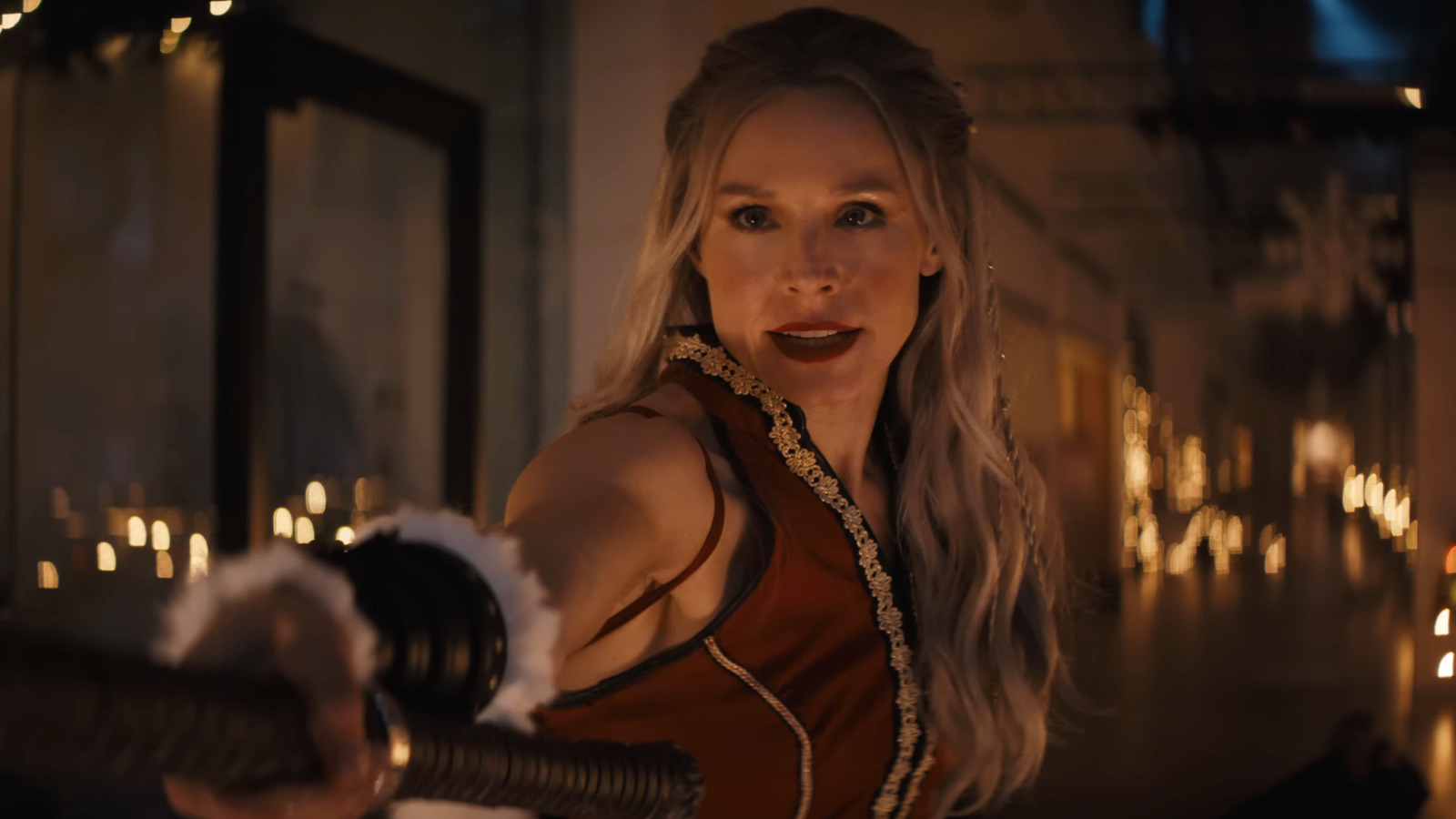
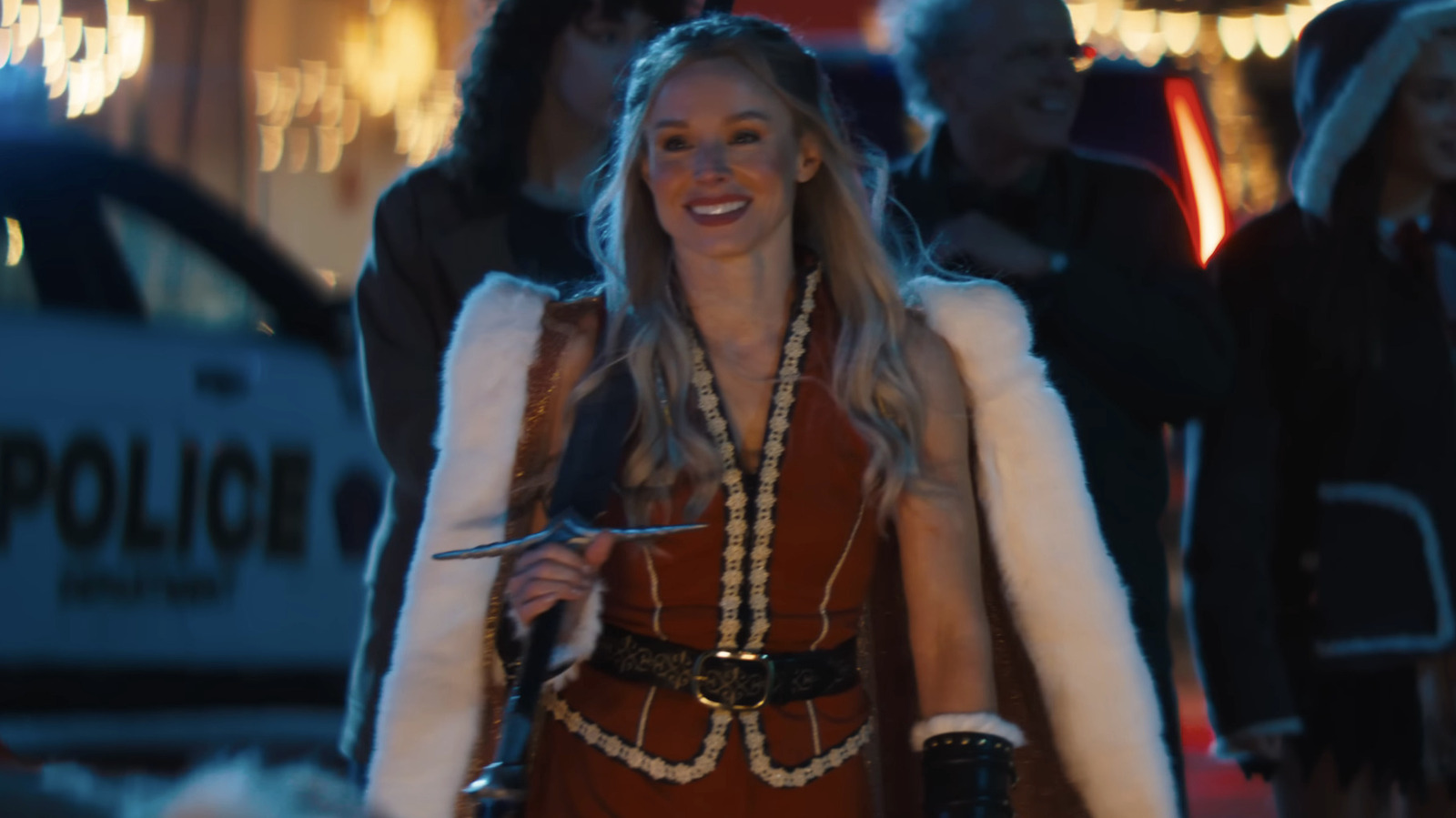
Discover the intriguing backstory of Mrs. Claus in Violent Night 2 and how her character almost came to life in the first film.
Samantha Morton opens up about her replacement in 'Her' and the emotional toll it took on her as an artist.
In simple terms, the central question surrounding Samantha Morton’s experience with her role in Spike Jonze's film Her is: How does the removal of an actor’s work affect their sense of identity and belonging in the creative industry? Morton’s candid acknowledgment that “it does hurt” encapsulates the emotional toll and the complexities of artistic ownership. Her reflections highlight not only personal loss but also broader implications for voice actors in the film industry.
What happened is that Morton was initially cast to voice the AI character Samantha in Her, a poignant exploration of love and technology. However, during post-production, her voice was replaced by Scarlett Johansson. This decision, while a product of the artistic vision of the filmmakers, has opened discussions about the often unseen dynamics of casting in the film industry, especially concerning voice-over roles. It raises questions about how collaborative projects can dramatically shift in direction due to creative choices or market strategies.
Morton’s experience emphasizes themes of identity and ownership in creative works. The moment an actor’s voice is stripped away and replaced, it can feel not only like a personal betrayal but also a challenge to their professional identity. This profound disconnect can foster feelings of inadequacy or exclusion from a project that they were once integral to.
Morton’s critique touches upon a broader narrative in Hollywood: the growing reliance on big names that can sometimes overshadow lesser-known artists who contribute significantly to a film’s core. The film industry’s culture often favors star power over collaborative effort, leading to a hierarchy that can be particularly alienating for voice actors.
What remains uncertain are the specifics of the decision-making process that led to Morton’s replacement. Did Johansson's involvement originate from a need to align with a particular market demographic? Was it purely creative exploration by Jonze? These questions prompt further analysis of how decisions in filmmaking are made and their subsequent effect on those involved.
Morton’s statements reveal the emotional ramifications of such experiences. Her acknowledgment of feeling hurt highlights the difficulty of separation from a role one has invested time and emotion into, especially when the world never sees the effort behind the scenes. For many artists, the moment they are replaced, even in post-production, an important part of their artistic journey feels invalidated or dismissed.
This replacement incident serves as a microcosm for ongoing conversations about representation and equity in the film industry. It echoes sentiments reflected in various other discussions around casting decisions, illustrating the marginalization of actors who are not front-facing in their roles. Morton's experience can be connected to the narratives seen in documentaries and articles that analyze how the industry handles voice actors, shedding light on their often precarious standing in a world that favors visible talent. For further insight into industry dynamics, readers may find value in exploring pieces like Exploring 'Bad Lieutenant: Tokyo': Themes and Character Insights or Analyzing 'Of Unknown Origin': A Battle of Man vs. Beast.
Morton's reflections on her experience with Her underscore the significance of understanding the emotional landscape artists must navigate in the ever-evolving landscape of the film industry. While replacements may often seem like mere business decisions, they are profoundly personal for those affected. As the conversation about representation and equity in casting continues, Morton’s story serves as a reminder of the human element embedded within the film industry’s structural dynamics. Her experience—while specific—is emblematic of a broader reality that requires continued scrutiny and discussion, especially as technology and new formats reshape how films are produced and consumed.
As voice acting gains more recognition, the industry must evaluate how it respects and values all contributors to the creative process. Understanding these dynamics can lead to a more inclusive environment where all artists feel valued and secure in their contributions to cinematic storytelling.
Movie explanation
EpisodeBreakdown may use automated tools to assist research, drafting, and formatting. Published pages are governed by our editorial and corrections policies, and source links are shown when they are available in the article record.
Discovery source: JoBlo. The source identifies where the topic was discovered; EpisodeBreakdown is responsible for the commentary published on this page.
Reader response
Reactions and poll results are based on real reader responses. No account is required.