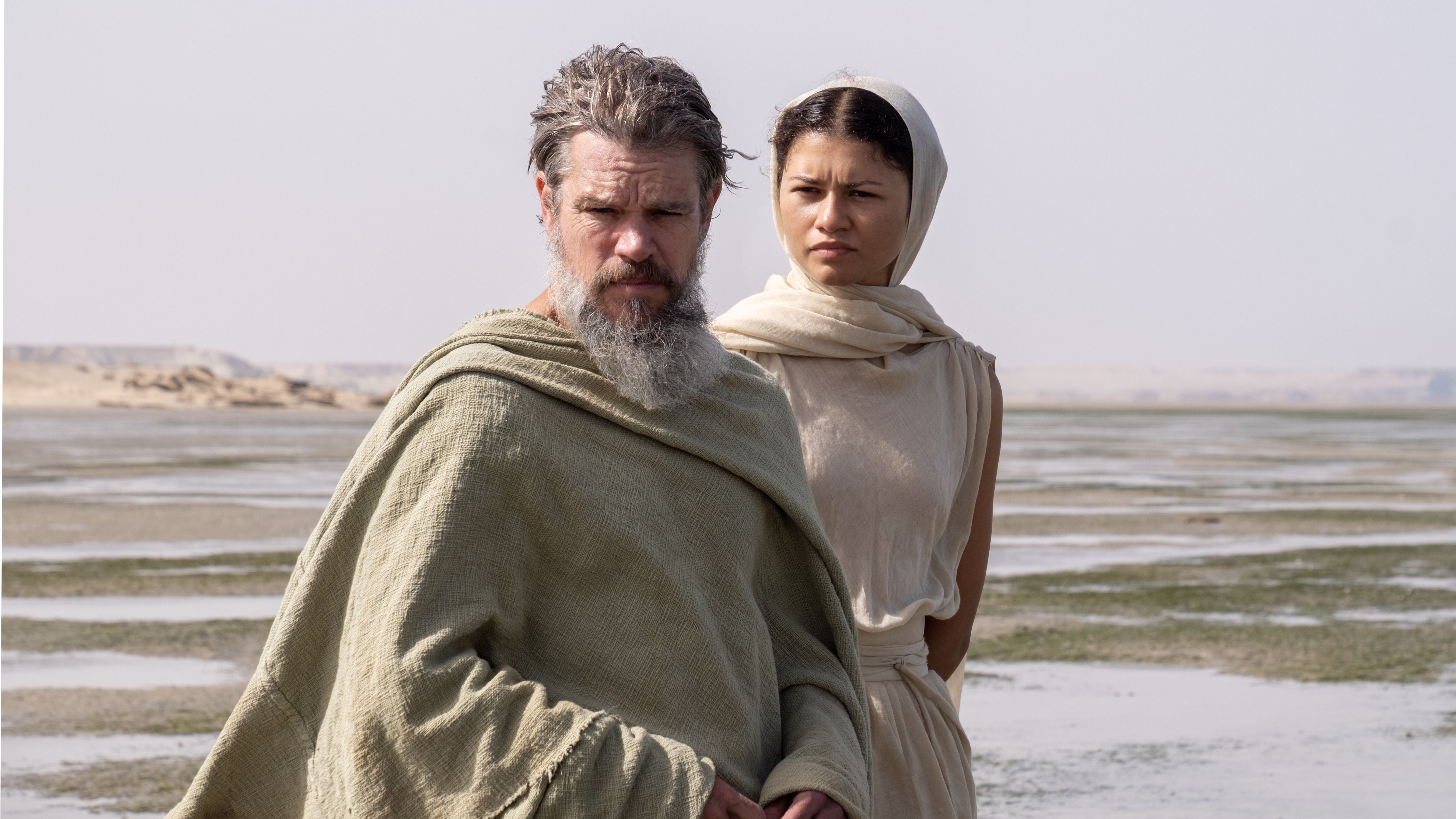
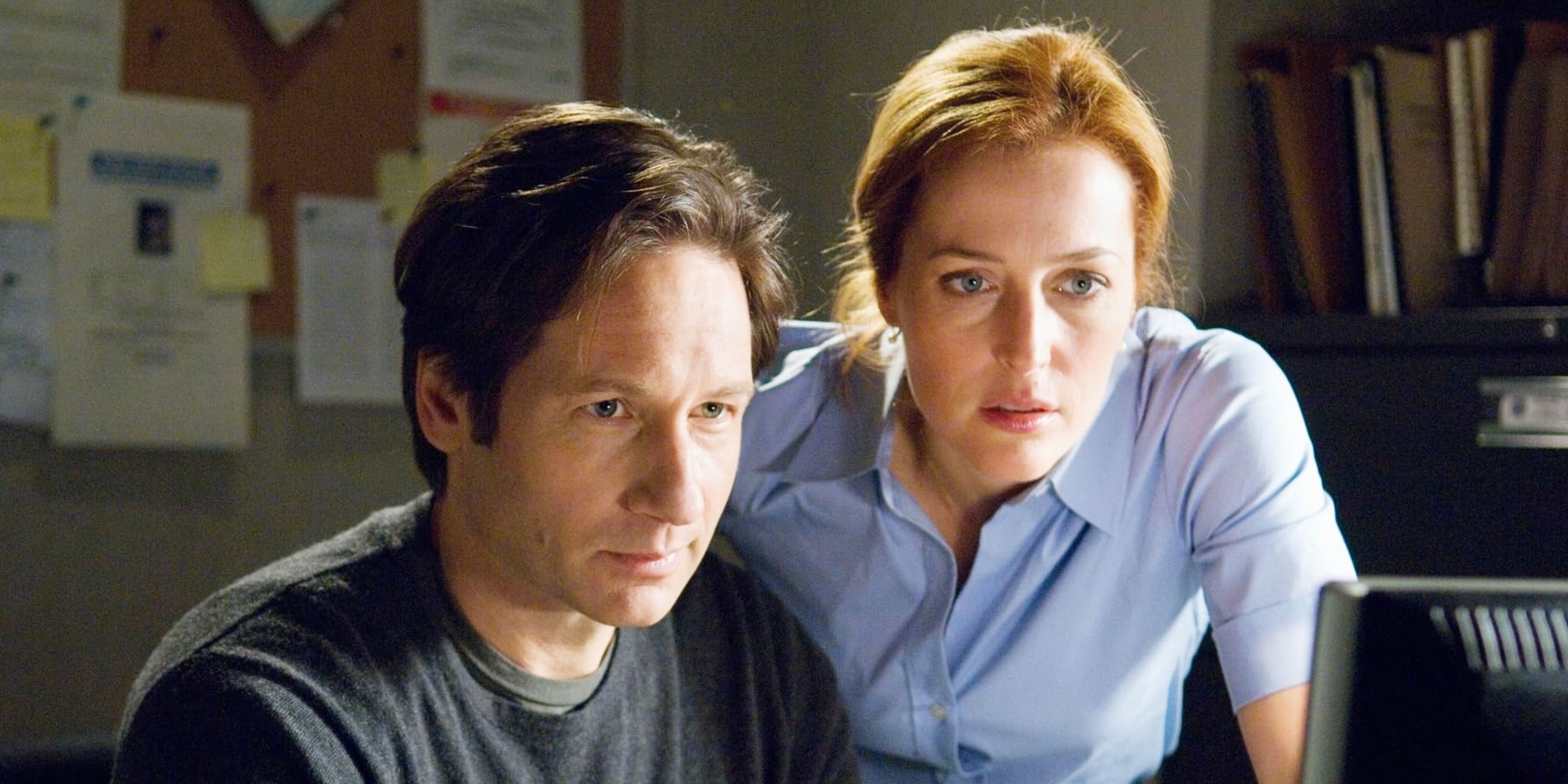
test
asdasd
Delve into the most terrifying TV episodes of the 2020s that left a lasting impression on horror fans.
In simple terms, the 2020s have emerged as a breathtaking decade for horror television. With iconic series concluding while new ones arrive, this era has continuously delivered unforgettable scares. This breakdown focuses on the eight scariest episodes from various shows that have captivated audiences and redefined the genre in recent years.
The horror genre in television has significantly evolved in the 2020s, giving rise to shows that combine traditional jump scares with deeper psychological themes. The standout episodes on this list each serve a unique purpose: they unsettle, challenge perceptions, and connect with viewers’ fears on multiple levels.
One episode that stands out for its chilling content is FROM's Season 4, Episode 5. Here, the storyline blends psychological horror with gruesome visuals, particularly in a sequence where characters retrieve life-sized scarecrows from a lake. The unsettling imagery leads to horrifying realizations, with victims meeting gruesome fates, setting a disturbing tone that permeates their lost joys and lives. This episode is noted not just for its scares, but for how it intertwines these with the character arcs.
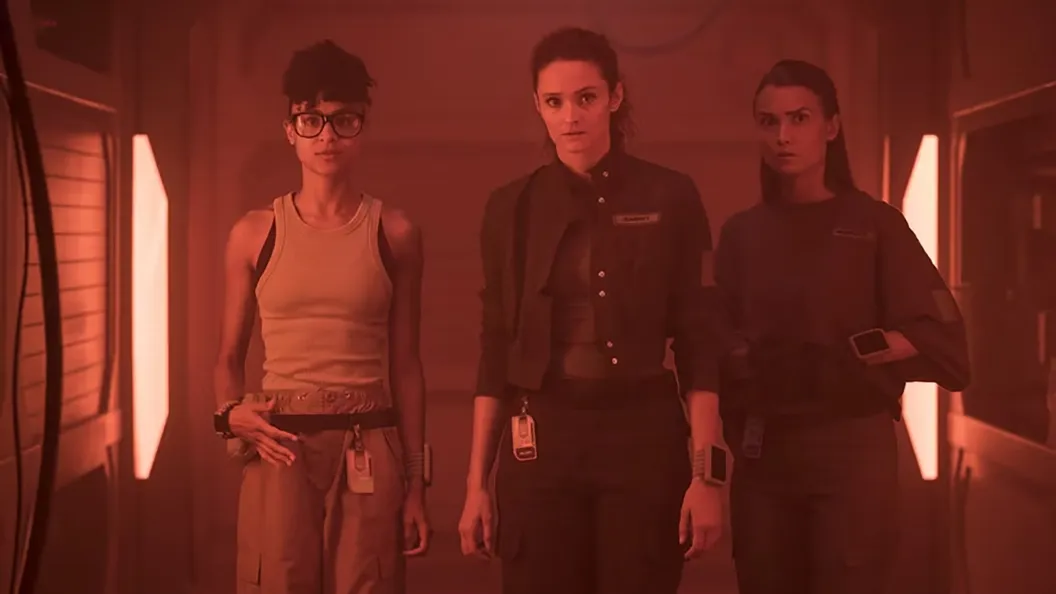
Alien: Earth's Season 1, Episode 5 pays homage to the classic horror film Alien by recreating the encapsulating dread of isolation and the lurking threat of an unidentifiable creature. The episode encapsulates a visceral sense of dread while creating a tense atmosphere reminiscent of the original film, inviting viewers into a slow unfurling of horror that mirrors the emotional journey of the characters captured in space.
This episode from Evil’s second season taps into real-world anxieties like claustrophobia. The plot revolves around a boy's mysterious disappearance in an elevator, leading to the ominous hints of the Elevator Game—a chilling urban legend. By inviting the audience into a realm where fears manifest, this episode elevates psychological tension and unsettling realities, making it profoundly scary and deeply resonant.
Midnight Mass's pivotal sixth episode delves into the dangers of blind faith and groupthink as the congregation discovers their church's grotesque truths. The transformation of Easter’s joy into a tragic massacre paints a haunting depiction of cult-like belief systems. This blend of theology and horror instills a fear not just of supernatural forces, but also of the darkness that can reside in human hearts.
Another entry from Mike Flanagan, this episode highlights themes of betrayal and isolation through a poignant, tragic ghost story from Viola and Perdita's past. The haunting becomes an allegory for regret and the human inability to let go. As Viola's descent into a faceless shadow illustrates horror’s connection to human emotion, the episode lingers long after the credits roll, reshaping the genre through its elegance.
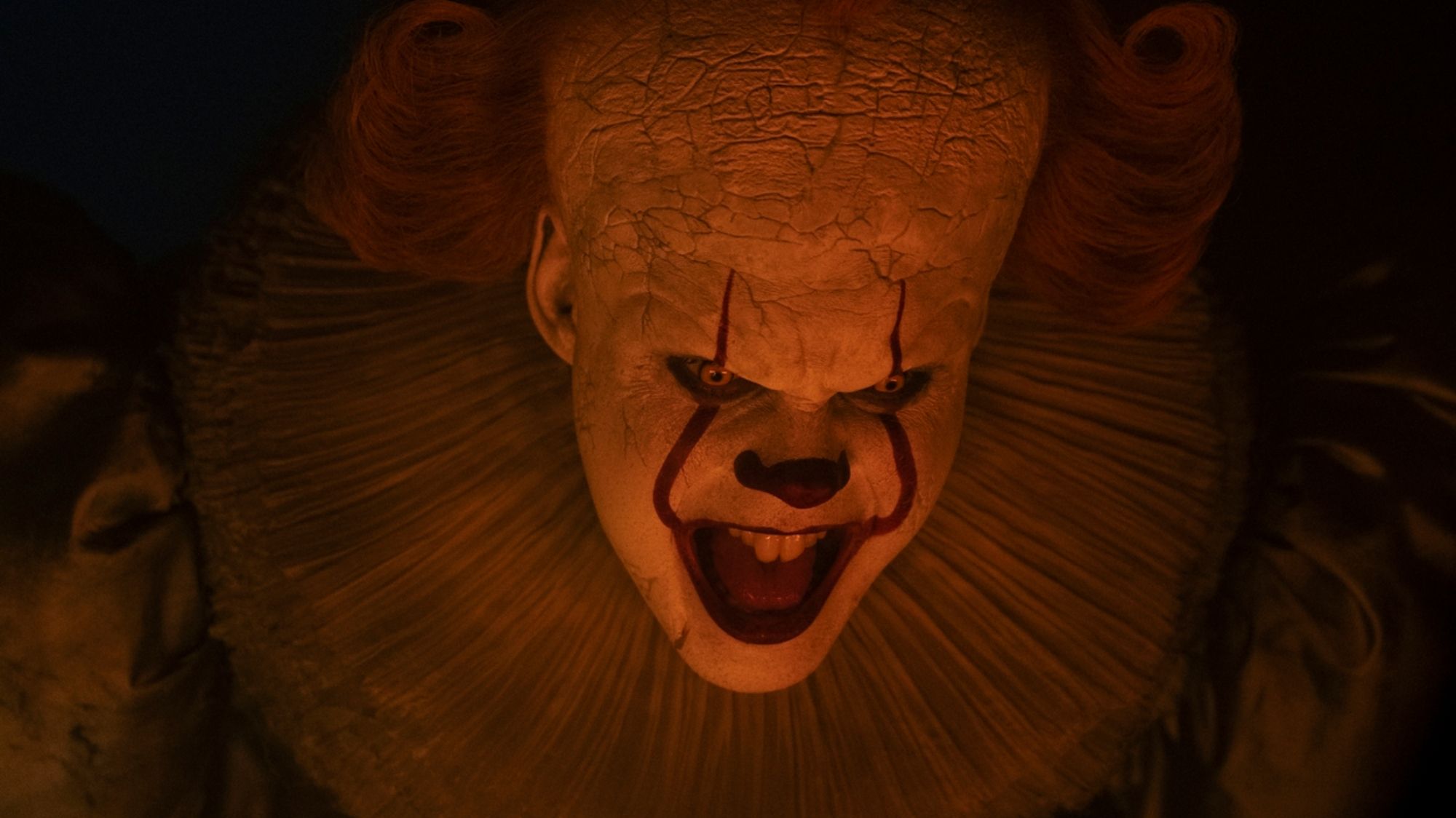
This series simultaneously introduces viewers to the terror of Pennywise while revealing societal horrors. "The Pilot" opens with a shocking kill scene, immersing viewers right into the deep end of scares, while "The Black Spot" expertly illustrates how humanity can present itself as the true monstrosity. These episodes underscore the duality of fear through a lens that captures both supernatural and human evils.
A poignant episode from Black Mirror, "Beyond the Sea" explores the darker aspects of grief and isolation. The harrowing narrative of an astronaut who descends into a violent obsession reveals how unchecked emotions can lead to horror. It presents a cautionary tale that blurs the line between human and monstrosity, ensuring its place among the scariest narratives this decade.
In this episode from HBO’s The Last of Us, the horror stems from the realistic portrayal of human depravity amidst a dystopian landscape. The character David's façade of kindness conceals a horrifically predatory nature, which starkly contrasts with Ellie’s desperate struggle to protect herself and Joel. The episode navigates themes of cannibalism and predation, making it intensely unsettling by presenting real-world fears as part of its narrative.
These eight episodes collectively demonstrate the range and depth of horror television in the current decade. From supernatural scares to psychological horror, the stories resonate with fears that go beyond the screen, creating an immersive experience for viewers. As the genre continues to evolve, these episodes remind us why we are drawn to the thrill of fear.
The trends showcased in these horror episodes reveal not just an entertaining suspense, but a reflection of societal anxieties. The 2020s are thus defined not only by what terrifies us, but by how those narratives engage with our deepest fears—making horror a continually relevant lens through which to explore the human experience. For ongoing discussions about the evolution of horror in television, check out additional insights on related topics in our guides on strongest characters in series, Star Wars adaptations, and cultural reflections in media.
Episode breakdown
EpisodeBreakdown may use automated tools to assist research, drafting, and formatting. Published pages are governed by our editorial and corrections policies, and source links are shown when they are available in the article record.
Discovery source: CBR TV. The source identifies where the topic was discovered; EpisodeBreakdown is responsible for the commentary published on this page.
Reader response
Reactions and poll results are based on real reader responses. No account is required.