test
asdasd
Dive into the captivating landscapes of 2026's sci-fi shows, exploring alternative histories and thrilling narratives that redefine the genre.
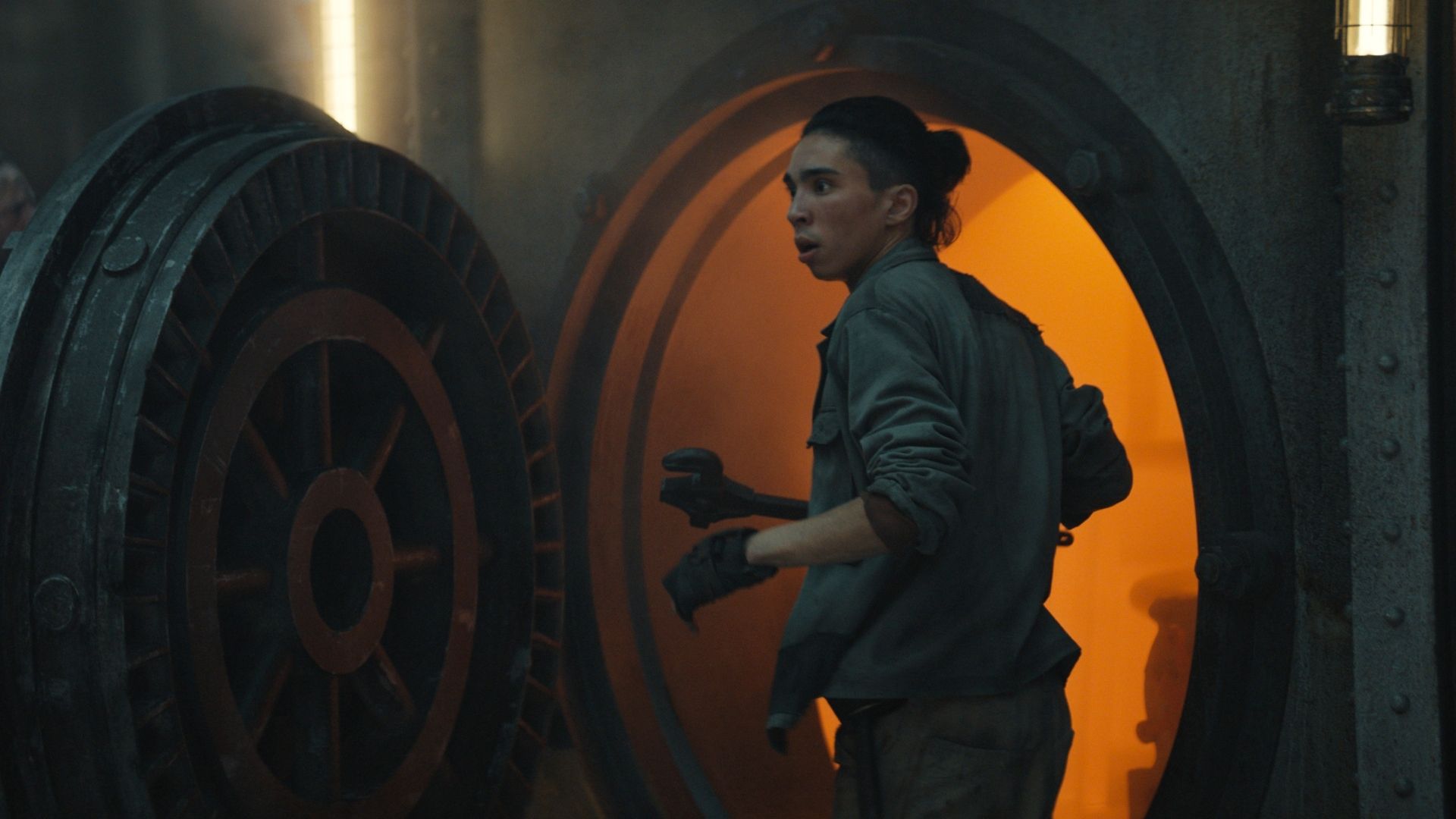
In simple terms, 2026 has yielded some exceptional sci-fi television that is perfect for binge-watching this weekend. The central question that arises is: how do these new series redefine our understanding of the genre? What stands out is the blend of imaginative narratives and rich, complex characters that stimulate thought about our reality and futures. This article will delve into three standout shows from this year, exploring their themes, character choices, and the significance of their narratives.
One of the most intriguing new entries is Star City, a prequel to the popular series For All Mankind. This show shifts perspectives, showcasing the Space Race from a Soviet viewpoint, encapsulated in the eponymous Star City where cosmonauts are trained. What’s captivating here is the portrayal of a parallel universe where scientific advancement is rooted deeply in Cold War paranoia. Unlike its predecessor, which portrays ambition and hope in alternate histories, Star City manifests skepticism and constant surveillance, creating a tense atmosphere that resonates with historical realities.
The show's political undertones echo our modern anxieties, making it not just a historical drama but also a commentary on current geopolitical dynamics. As the characters navigate a world rife with suspicion, viewers gain insights into the societal impacts of government oversight and the struggle for individualism.
Silo, adapted from Hugh Howey’s acclaimed book trilogy, takes us into the dark depths of an underground society, providing a stark contrast to the expansive cosmos explored in Star City. The series offers a glimpse into a post-apocalyptic world where humanity has been relegated underground due to a catastrophic event. Juliette, the show's lead played by Rebecca Ferguson, embodies resilience in this oppressive environment. Her journey, marked by a quest for truth amidst the constraints of a controlled society, is a compelling focal point.
What adds depth to Silo is the intricate pacing and layered storytelling, which not only explores present-day dilemmas but also delves into the past via flashbacks. This narrative approach makes the unfolding conspiracy gripping, as the audience is compelled to consider what life was like before the disaster. The social commentary about misinformation and control resonates powerfully today, encouraging discussions around the fragility of societal structures.
For those seeking a lighter tone, Fallout comes into play, incorporating humor and satire into its portrayal of an apocalyptic world. Drawing from the beloved video game series, it showcases a society that grapples with absurdities in the aftermath of an event that drove people underground. Unlike Silo, which elicits a sense of dread, Fallout balances calamity with a witty narrative, making it a refreshing choice for those who appreciate dark comedy.
Each episode cleverly interweaves the challenges of survival with comedic elements, thereby redefining what post-apocalyptic storytelling can be. The contrast in tones when compared to Star City and Silo underscores the diversity of storytelling within the genre, proving that science fiction can entertain and provoke thought simultaneously.
No exploration of 2026's sci-fi offerings would be complete without mentioning Star Trek: Strange New Worlds. The fourth season, recently launched, continues to instill life into the iconic franchise. Following Captain Christopher Pike and his crew, this series excels at creating engaging standalone episodes that embrace the spirit of exploration.
The mixture of humor, action, and emotional depth resonates well with audiences, serving as a modern homage to Star Trek: The Original Series. The writing combines elements of adventure and philosophical questioning, making each episode a unique experience that asks profound questions about humanity and our place in the universe. Anchored by top-notch performances, this show epitomizes what makes science fiction a compelling vehicle for storytelling.
The three prominently featured series in 2026—Star City, Silo, and Fallout—present interwoven themes that explore freedom, survival, and truth in multifaceted ways. While Star City discusses the perils of state control and paranoia, Silo and Fallout address how communities adapt (or fail) in the face of disastrous circumstances. The different tonal approaches highlight the potential for science fiction to engage with contemporary issues, from governance to societal resilience.
Character choices further emphasize these themes. Juliette's determination in Silo reflects a quest for autonomy, while the protagonists in Star City navigate the treacherous waters of loyalty and betrayal against a backdrop of intense political scrutiny. On the lighter side, Fallout’s characters find humor in dire situations, reminding us that even amid chaos, there is room for levity.
In examining these new sci-fi shows from 2026, it is evident that the genre continues to evolve, reflecting cultural sentiments and exploring vital questions about humanity’s future. Each series offers a unique lens through which audiences can engage with speculative narratives, whether they seek a deep philosophical journey or a mix of adventure and comedy. As streaming platforms foster creativity and diversity in storytelling, fans have an abundance of material to savor. For more recommendations, check out our guides on Must-Watch Shows to Binge-Watch This August and explore further into the thrilling worlds created in The 10 Best Fantasy Shows of the 21st Century, Ranked.
Movie explanation
EpisodeBreakdown may use automated tools to assist research, drafting, and formatting. Published pages are governed by our editorial and corrections policies, and source links are shown when they are available in the article record.
Discovery source: MovieWeb. The source identifies where the topic was discovered; EpisodeBreakdown is responsible for the commentary published on this page.
Reader response
Reactions and poll results are based on real reader responses. No account is required.