
Exploring Gavin Leatherwood's Role in 'It Happened One Summer'
An in-depth look at the themes and character dynamics in 'It Happened One Summer'.
Scott Eastwood recounts a heated confrontation with Shia LaBeouf during the filming of 'Fury', revealing the intense dynamics of the set.
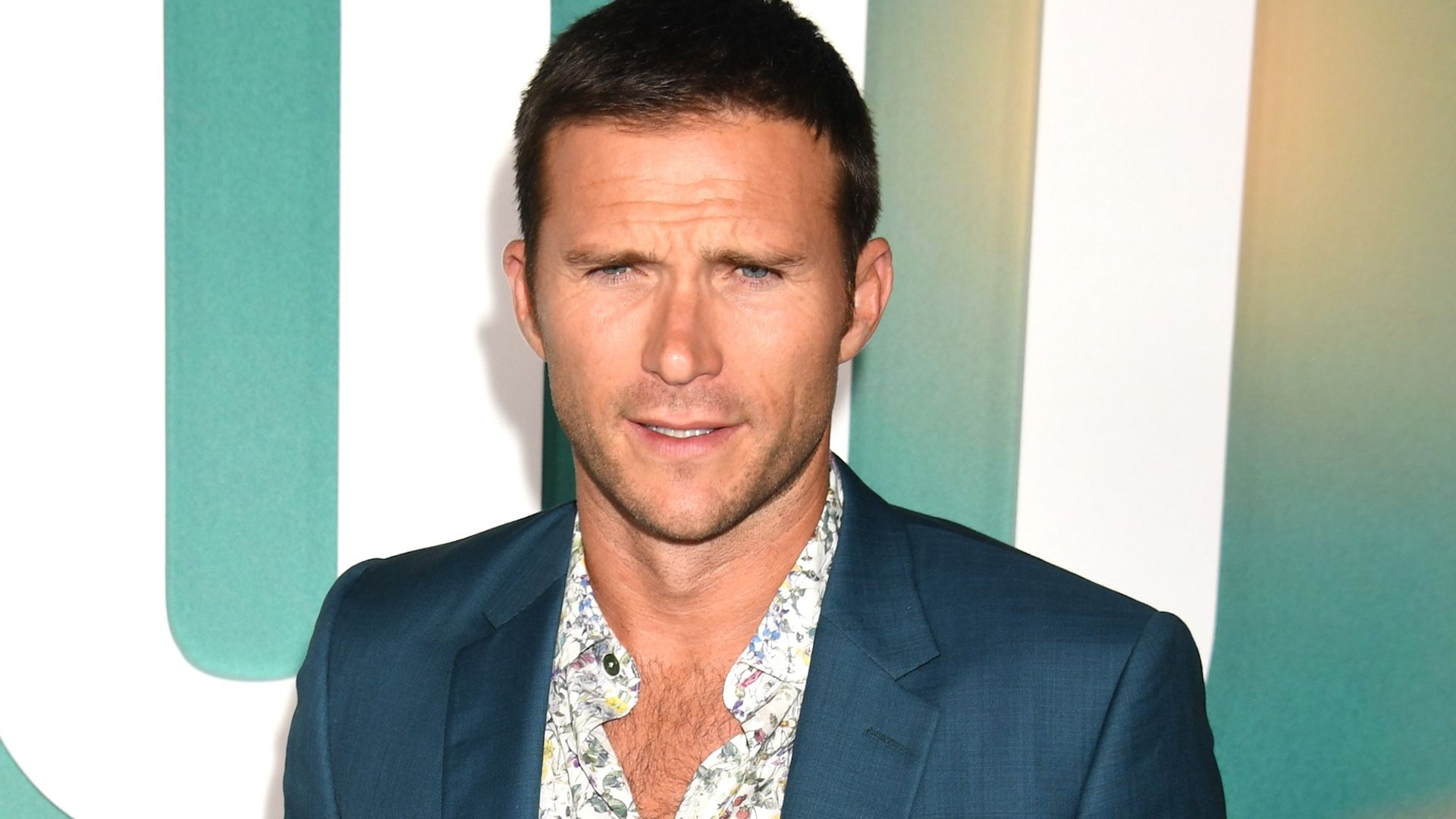
In simple terms, Scott Eastwood has shared details about a volatile clash he had with Shia LaBeouf while filming the 2014 war movie Fury. This confrontation arose from LaBeouf's extreme method acting, which some say crossed the line into obsessive territory. Eastwood described LaBeouf as a "psychopath" in their interactions, hinting at how method acting can sometimes disrupt the collaborative spirit of filmmaking.
What happened is that during the production of Fury, an intense war drama set during the concluding battles of World War II, Eastwood played Sergeant Miles in a crew that faced not just external challenges but internal tensions as well. Eastwood and LaBeouf's conflict illustrates how creative differences can escalate in high-pressure environments, revealing deeper themes related to performance and professional boundaries in film.
Fury, directed by David Ayer, depicts the brutal realities of combat through the eyes of an American tank crew. As actors like Brad Pitt, Logan Lerman, Michael Peña, and Jon Bernthal engaged with their roles in such a visceral way, the atmosphere on set was tense and charged. According to Eastwood, the filmmakers aimed for authenticity, pushing the cast into an extraordinary mindset to reflect the film's violent milieu.
However, the relentless grind of shooting amidst the psychological weight of portraying soldiers in World War II led to volatile dynamics. Eastwood's recollections of LaBeouf reveal that these tensions were not merely surface-level, underscoring the depths to which actors might go for their craft.
Eastwood’s retrospective on LaBeouf sheds light on the challenges of working alongside an actor committed to the method. He noted that LaBeouf even resorted to drastic measures, including pulling out his own tooth prior to filming. Such actions raise questions about the nature of commitment in acting—does preparation enhance performance, or does it sometimes spiral into unprofessionalism?
LaBeouf's intense method approach, while perhaps enriching the narrative, also walked a fine line between dedication and unpredictability. Eastwood viewed it as a disruption that could have detrimental effects on the team’s dynamics, illustrating a general concern: how far is too far in the pursuit of realism in acting?
The specific moment of conflict emerged when Eastwood, adhering to a script that called for him to spit tobacco on their tank, was confronted by LaBeouf. Eastwood described how this prompted a fierce argument, illustrating a clash of philosophies—the understanding that a script is a collaboration versus the deeply personal investment of method acting. Eastwood's reaction, which included him stating that he would physically confront LaBeouf, emphasizes the volatility when two actors have diverging views on performing.
Interestingly, Eastwood mentioned that he was not alone in his struggle with LaBeouf; he implied that many members of the cast had moments of tension with him. This suggests a pervasive unease which may have lingered throughout production. It raises questions about the broader implications of working with method actors and the effects their approaches have on co-stars.
Brad Pitt reportedly intervened during one of the peak confrontations, showcasing the necessity of maintaining a cohesive environment on set, especially when creative egos clash. The volatile atmosphere brought on by LaBeouf's commitment ironically added another layer of authenticity to the war story being told, contributing to the film’s overall sense of urgency and realism.
Despite the challenges faced during filming, Fury received significant acclaim for its raw depiction of battle. Critics highlighted the realism and the performances, especially noting LaBeouf's portrayal of Boyd "Bible" Swan as compelling and immersive. In a context where actors push their limits, this incident reveals a dual nature: the potential for artistic growth and the risks of personal conflict.
The film’s success, intertwined with the emotional intensity displayed by the cast, prompts reflection on how such tensions can fortify a project or lead to its unraveling. LaBeouf's deep-seated commitment to his role feeds into narratives about the extremes actors go to in order to deliver a compelling performance, invoking questions about the intersection of madness and artistry in Hollywood.
These insights into Eastwood and LaBeouf’s clash during Fury illuminate broader themes within the film industry regarding collaboration, the pressures of performance, and the limits of dedication. While method acting can undoubtedly yield powerful narratives, it also complicates interpersonal relationships on set. As the industry grapples with balancing creativity and professionalism, such anecdotes invite ongoing dialogue about the thresholds actors should navigate in their pursuit of artistic excellence.
For similar explorations into the dynamics of film-making, check out Jason Statham's Action Thriller Competes with New Revenge Series and Exploring the New Jedi Era in Star Wars: Visions Presents - The Ninth Jedi.
Movie explanation
EpisodeBreakdown may use automated tools to assist research, drafting, and formatting. Published pages are governed by our editorial and corrections policies, and source links are shown when they are available in the article record.
Discovery source: MovieWeb. The source identifies where the topic was discovered; EpisodeBreakdown is responsible for the commentary published on this page.
Reader response
Reactions and poll results are based on real reader responses. No account is required.