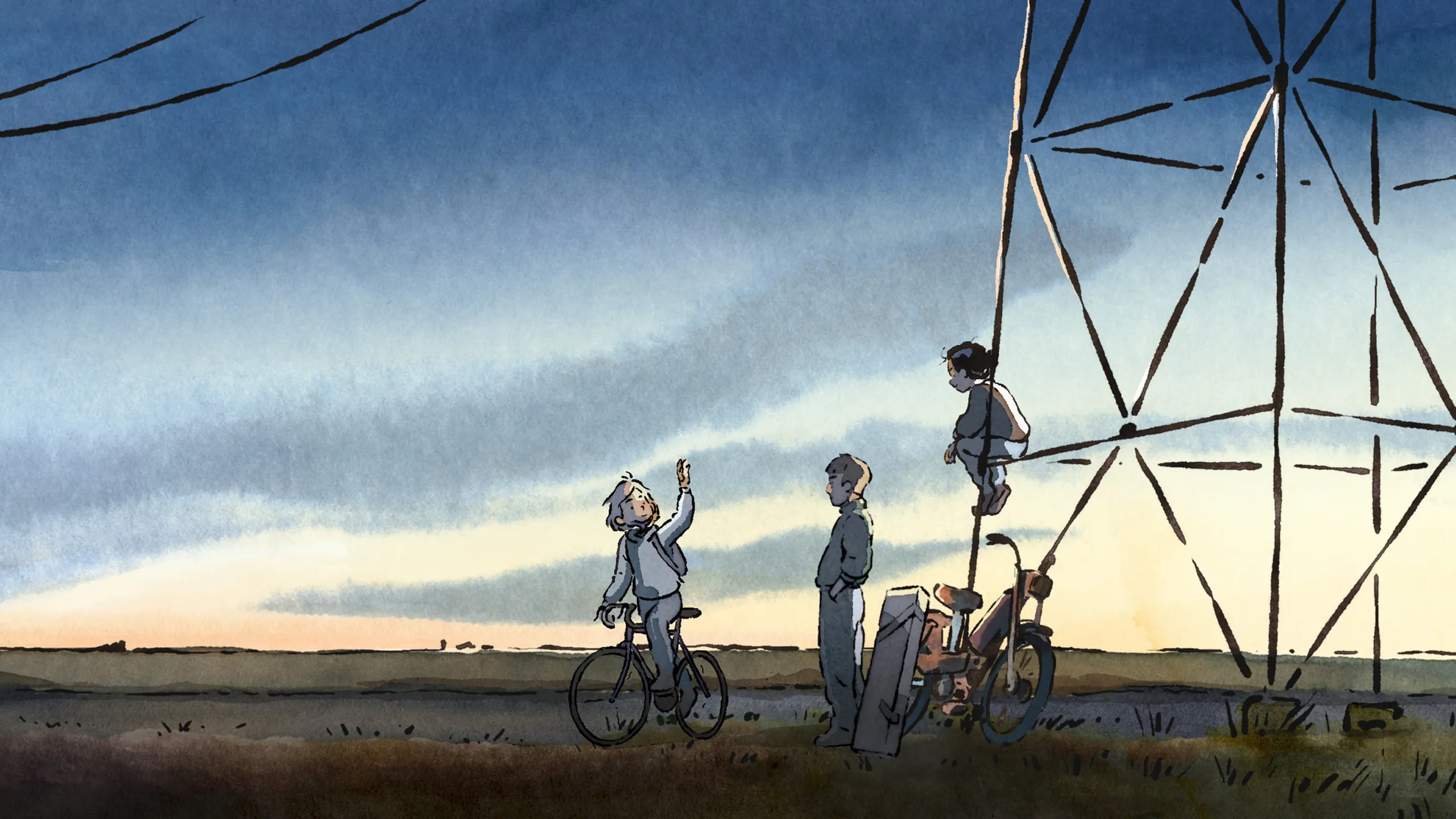
‘Paper Tiger’ and ‘Musk’ Documentary Featured at 2026 SFIFF
The 2026 Santa Fe International Film Festival showcases key titles including 'Paper Tiger' and 'Musk', marking an exciting lineup for this year.
‘Imperium’ showcases nearly three hours of captivating archival footage from the USSR, highlighting its cultural diversity during the 1970s.

On September 7, 2026, Sergei Loznitsa’s documentary ‘Imperium’ was unveiled, offering an extensive look at nearly three hours of previously unseen Italian footage from the early 1970s, showcasing the rich tapestry of life in the USSR. According to Variety, the film presents a rare perspective on a time when Western narratives often portrayed the Soviet Union as a monolithic entity.
Variety notes that Italian film crews, authorized by the Kremlin, traveled throughout the USSR to document a vast and multicultural empire. Their efforts captured a diverse range of subjects, from urban lifestyles and village festivals to far-reaching landscapes, challenging the typical Western views of an oppressive regime. Despite this official oversight, the filmmakers managed to subtly critique the Soviet system, highlighting regional autonomy against a backdrop of centralized control.
In ‘Imperium’, Loznitsa meticulously organizes the footage to trace a geographical journey from Moscow to the Soviet Far East and back through various republics. He works with about 60 hours of 16mm footage, restoring and editing it into a cohesive narrative. The documentary illustrates how, even amidst a push for uniformity, distinct regional identities and traditions persisted in the Soviet landscape.
Loznitsa's format contrasts sharply with earlier works, where his commentary shaped a more immediate historical context. As Variety describes, while ‘Imperium’ can be engrossing, its nearly three-hour run time may present challenges for viewers unfamiliar with the time period or its complexities. Many of Loznitsa's previous projects felt propelled by a sense of historical urgency, whereas this documentary's effects may be perceived differently by audiences who lived during or were educated about the Soviet era predominantly through Western sources.
A significant takeaway from the documentary is the resilience of traditional ways of life in the face of Soviet policies promoting homogeneity. Variety highlights how, despite the regime's attempts to centralize culture, diverse practices—like attending mosques in Bukhara or celebrating local carnivals—continued to thrive. This insight prompts reflection on how today’s societal changes in Russia differ from the past, as the intersection of rampant capitalism and digital media reshapes cultural narratives.
Looking back, it is intriguing to consider the potential impact had the full series of these Italian films been aired widely. During the 1970s, there was a notable lack of authentic representations of daily life in the Soviet Union, contributing to a misinformed narrative prevalent in Western discourse on communism.
With ‘Imperium’, Loznitsa adds another layer to his portfolio of films documenting Eastern European histories and identities. The documentary arrives in a landscape where audiences continue to seek nuanced readings of past political landscapes to inform contemporary understandings. By resurrecting this archival footage, Loznitsa not only preserves forgotten histories but also offers fresh perspectives on cultural endurance amidst suppressive regimes.
This documentary reinforces the importance of diverse narratives in film as a medium for education and reflection on historical complexities, particularly those related to the Soviet era. As such, Loznitsa’s work could serve to engage a new generation in discussions surrounding the elements of cultural identity and resistance.
While no further projects or details have been announced concerning ‘Imperium’, the film’s release emphasizes the ongoing importance of historical documentaries in bridging gaps in collective memory. Audiences may hope to see additional screenings or discussions that further unravel the stories of those captured in the film and reflect on the enduring impact of such rich historical legacies.
Entertainment news
EpisodeBreakdown may use automated tools to assist research, drafting, and formatting. Published pages are governed by our editorial and corrections policies, and source links are shown when they are available in the article record.
Discovery source: Variety. The source identifies where the topic was discovered; EpisodeBreakdown is responsible for the commentary published on this page.
Reader response
Reactions and poll results are based on real reader responses. No account is required.