test
asdasd
Examining sitcoms that suffered due to poorly executed romantic pairings, this breakdown highlights five infamous examples.
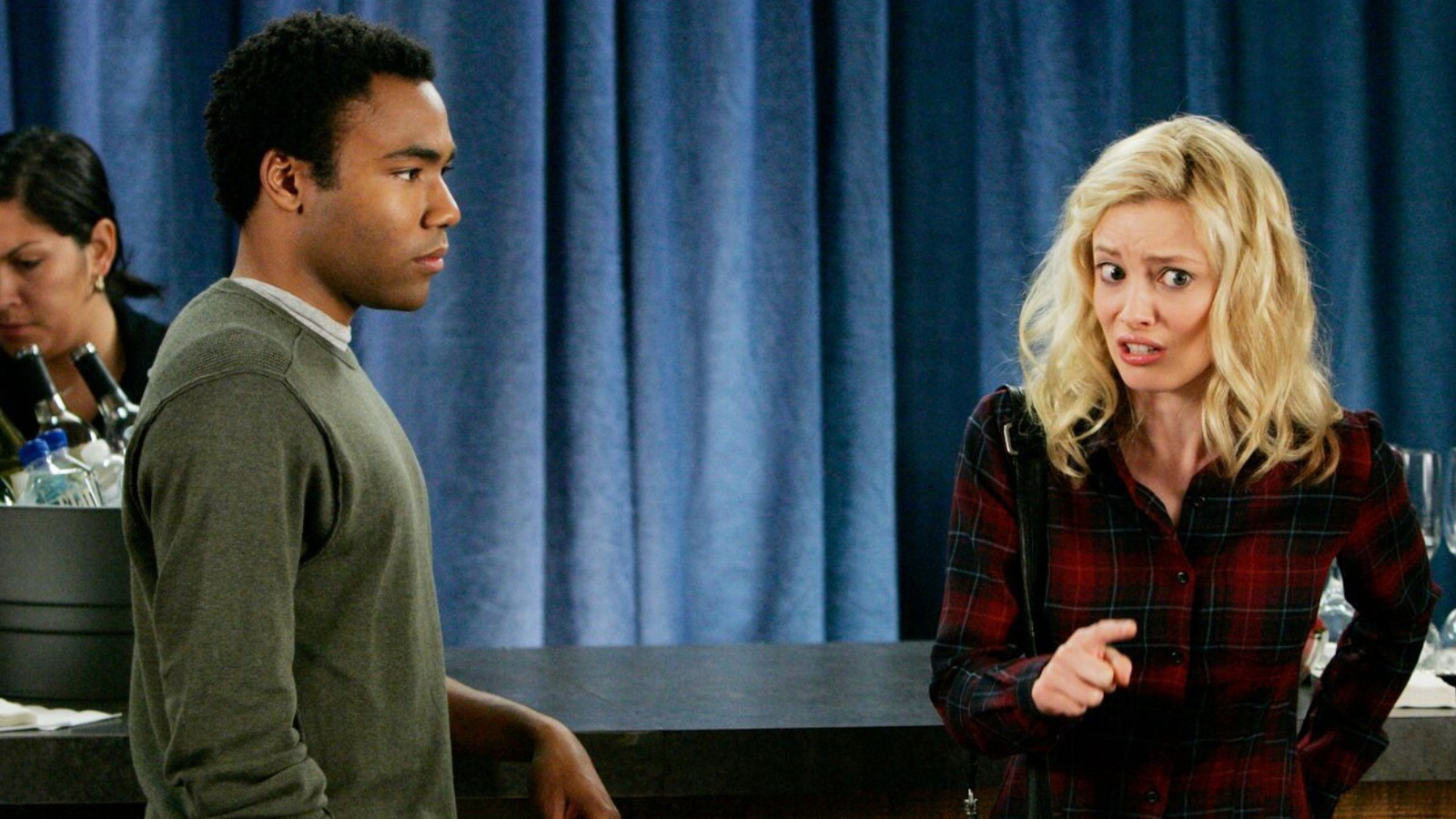
In simple terms, certain romantic pairings in sitcoms have significantly dampened audience enjoyment and engagement. Here are five of the most notorious examples where these relationships undermined the strengths of their respective shows. Each case sheds light on why well-executed romantic plots can elevate a sitcom while poorly conceived ones can derail it entirely.
The world of sitcoms thrives on relatable, sometimes humorous relationships, making romantic arcs a natural extension. Yet, when a show attempts a romance that doesn’t resonate with the audience, it often destabilizes beloved characters or derails ongoing narratives. Examples abound, showcasing how misguided romantic decisions can lead viewers to become apathetic toward the series.
One glaring instance is the relationship between Tom Haverford and Ann Perkins in Season 4 of "Parks and Recreation." This brief romance was notable not just for its awkward execution but also for the discomfort it generated among audiences. Many fans did not anticipate or even want these characters to be a couple. Although the storyline was short-lived, it marked a rare misstep in an otherwise stellar series, illustrating how forced romantic elements can disrupt the flow of storytelling.
In the iconic sitcom "Friends," the dynamic between Joey Tribbiani and Rachel Green struggled from the outset. Despite attempts to create intrigue through their unexpected pairing, both the audience and the cast felt reluctant about this romance. Writers David Crane and Marta Kauffman seemed aware of the lack of emotional depth, with plans for the arc that never seemed to materialize. Consequently, the pairing felt more like a filler rather than a genuine relationship, failing to meet the high expectations set by the show's prior romantic highlights.
"Rhoda" took a daring turn when the titular character married Joe just eight episodes into its run. Yet, this swift commitment resulted in a creative dead end for the show. The narrative faltered as writers struggled to find engaging storylines, leading to a downward spiral that ended in divorce by Season 4. While the choice generated buzz, it ultimately contributed to a decline in viewership, demonstrating how unbalanced romantic storylines can hasten the demise of a series.
Another romance that fell flat is that of Troy Barnes and Britta Perry in "Community." While the series originally shied away from romantic entanglements, the relationship felt forced and lacked cohesion. Troy and Britta’s chemistry was notably missing, particularly after the show's quality dipped in Season 4 when new showrunners took over. The uninspired pairing struggled without plot momentum or relatable stakes, contributing to the season’s overall negativity among fans.
In the final season of "That '70s Show," Jackie Burkhart’s pairing with Fez raised eyebrows among fans. This relationship came at the expense of Jackie’s more compelling connection with Hyde, effectively turning the character’s growth into a regression. Instead of fostering her professional development, Jackie’s arc took a back seat, leaving fans feeling unsatisfied and perplexed about the character’s direction. This dissonance demonstrated how romantic decisions can overshadow character integrity.
Finally, in "Scrubs," the relationship between JD and Elliot felt painfully convoluted. Despite repeated signals that they were ill-suited for one another, the series forced their romance upon viewers, leading to frustration and confusion. Even when they tried to explore platonic friendship, repetitive romantic tensions resurfaced, further alienating fans who wished for consistency and development instead. The ongoing will-they-won't-they format became grating, overshadowing the show's comedic strengths.
These examples underscore a critical lesson in sitcom storytelling: romantic relationships can either enhance or hinder the narrative fabric of a show. When mismatched by chemistry, timing, or character development, these storylines can lead to fan disengagement and, ultimately, the decline of beloved series.
For additional context on the impact of relationships in TV series, check out our breakdown of Dermot Mulroney's exit from Chicago Fire or the best seasons of MTV's The Challenge that emphasize character dynamics.
In conclusion, the romance pairs discussed here serve as cautionary tales for showrunners navigating complex character relationships. When audiences care deeply about the characters, any mismatch in romantic pairing can leave a lasting negative impression on the show's legacy. While the potential for romance can enhance storytelling, it must be handled carefully to avoid alienating dedicated viewers and compromising character development.
Story breakdown
EpisodeBreakdown may use automated tools to assist research, drafting, and formatting. Published pages are governed by our editorial and corrections policies, and source links are shown when they are available in the article record.
Discovery source: TVLine. The source identifies where the topic was discovered; EpisodeBreakdown is responsible for the commentary published on this page.
Reader response
Reactions and poll results are based on real reader responses. No account is required.