33 Years Later, a Forgotten Dragon Quest Game Has Finally Released in the US With a New Remaster
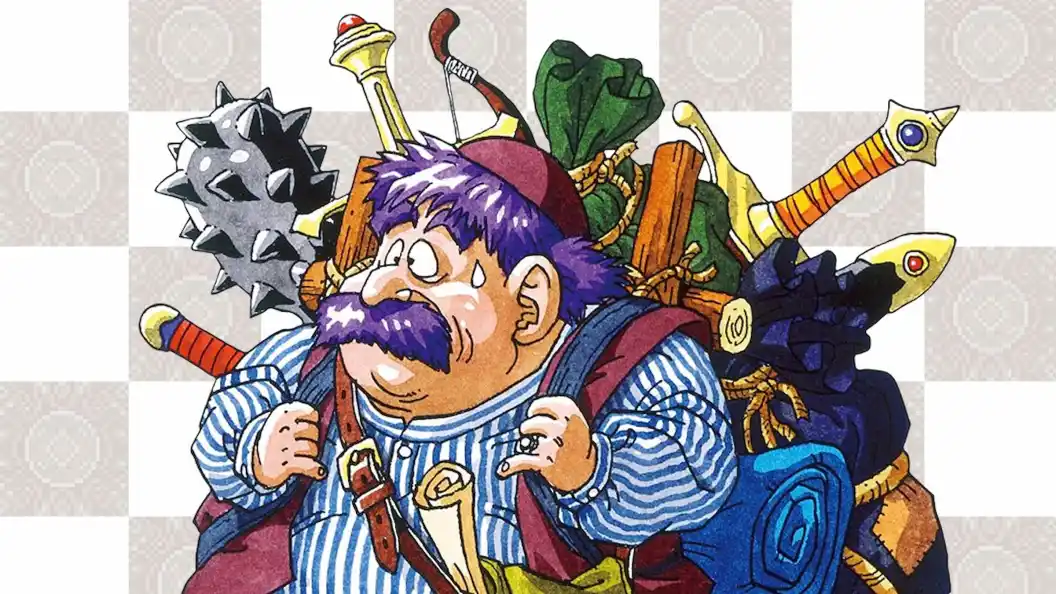
Square Enix has remastered Torneko's Mystery Dungeon, making it officially available in the US for the first time in 33 years.
On September 9, 1995, Sony launched the PlayStation, redefining the console landscape entirely.
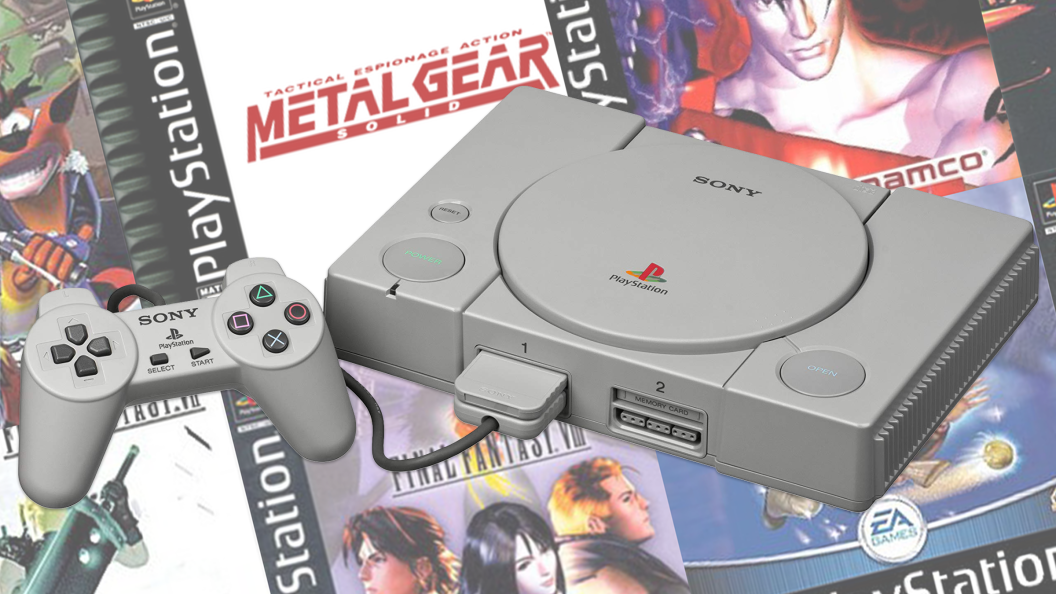
On September 9, 1995, Sony launched the PlayStation in North America, fundamentally altering the landscape of video game consoles. This announcement, reported by ComicBook.com, highlights how this move reshaped the console wars, leading to significant shifts in market dynamics.
In the mid-1990s, the console wars were characterized by intense competition, with Sega and Nintendo as dominant players. However, notable consoles like the Sega Dreamcast eventually faded into obscurity. Sony's entry at that moment proved revolutionary, as it introduced features unmatched by its competitors, changing expectations surrounding home consoles.
The PlayStation distinguished itself with its incorporation of CD-ROM technology and real-time 3D graphics, significant advancements over traditional cartridge systems. According to Sony's corporate history, this choice provided developers with more storage and allowed for faster supply chains compared to cartridges. The console's 32-bit architecture enabled increasingly complex graphics, pushing the boundaries of video game design and appealing to a wide range of gamers.
By launching at a competitive price point of $299, which undercut its rivals, Sony created an immediate advantage that made the system accessible to consumers. The games that accompanied the console, including influential titles like Final Fantasy VII, Ridge Racer, and Tekken, showcased the potential of the PlayStation's hardware, further solidifying its appeal.
The PlayStation's success is underscored by impressive sales figures. Within six months, one million units had been sold, and by November 1996, the console reached the milestone of 10 million units sold. These figures highlight the console's immediate impact in a competitive market. Notably, this was Sony's first foray into the home console market, marking a pivotal moment in both the company's evolution and the gaming industry as a whole.
The diverse library of games available at launch—encompassing racing, fighting, role-playing, and horror genres—enabled the PlayStation to appeal to a broad audience. This diversity became a defining strength of the PS1 era, as it avoided being pigeonholed into a single genre, attracting gamers with varied interests.
Building upon the lessons and successes of the original PlayStation, Sony would later release subsequent generations, each one capitalizing on the foundation laid by its predecessor. The continued popularity of franchises like God of War, The Last of Us, and others confirms Sony's ongoing relevance in the gaming industry.
While specifics regarding future developments, such as a potential PlayStation 6, have not been announced, the enduring legacy of the original PlayStation continues to influence modern gaming.
The launch of the PlayStation 31 years ago not only transformed Sony into a key player in the console wars but also set the stage for innovation in gaming hardware and software. As the gaming landscape evolves, the lessons from Sony's initial success still resonate, shaping consumer expectations and defining future developments in the industry.
Entertainment news
EpisodeBreakdown may use automated tools to assist research, drafting, and formatting. Published pages are governed by our editorial and corrections policies, and source links are shown when they are available in the article record.
Discovery source: ComicBook.com. The source identifies where the topic was discovered; EpisodeBreakdown is responsible for the commentary published on this page.
Reader response
Reactions and poll results are based on real reader responses. No account is required.