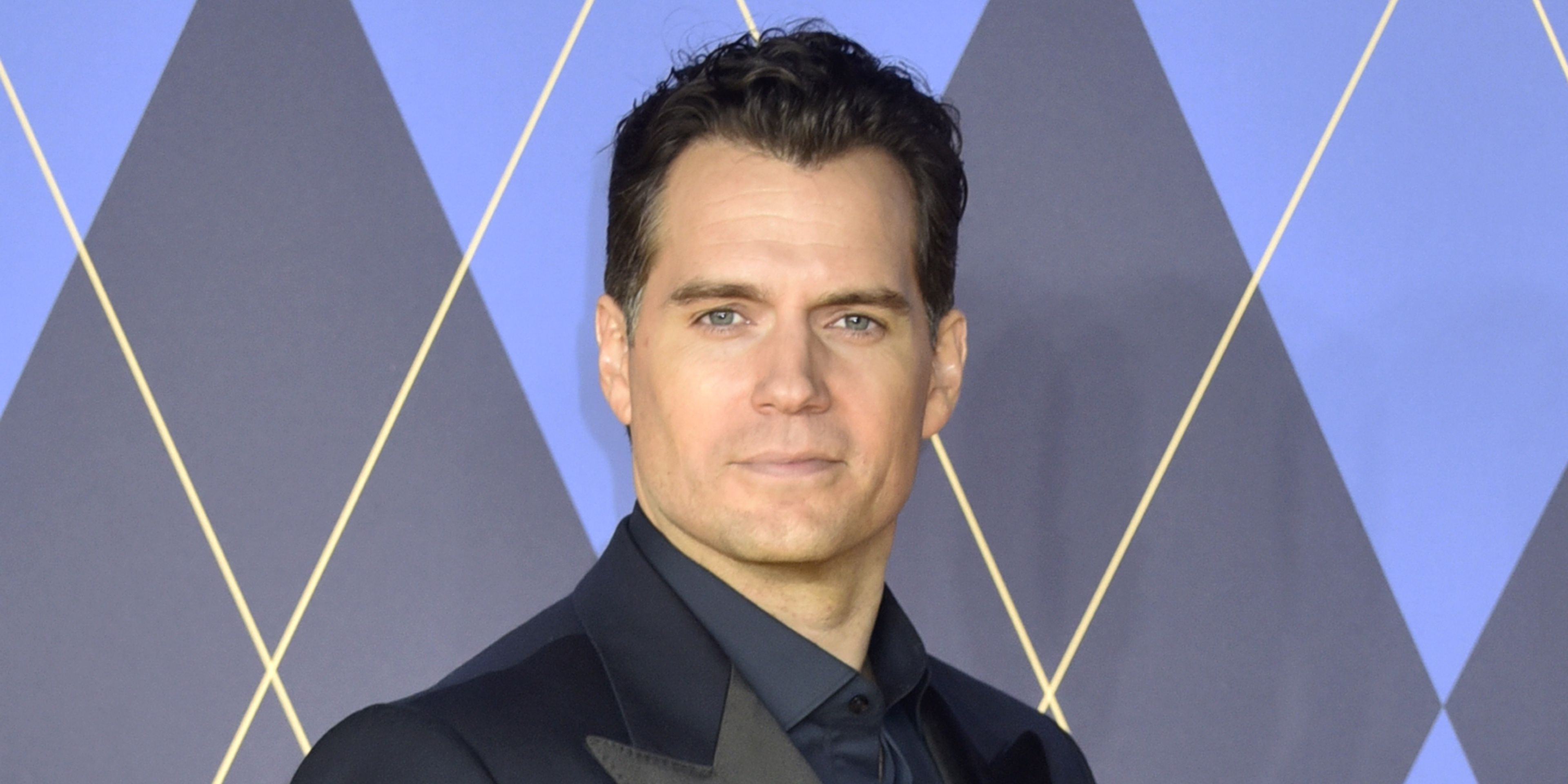
Henry Cavill's Warhammer 40,000 Franchise Expands Further
Henry Cavill's Warhammer 40,000 universe is expanding with an animated series. Key details confirmed about its development and connections to the live-action series.
Marvel Studios initially wrote Spider-Man: Brand New Day with Leper Queen, an obscure villain, before pivoting to the Department of Damage Control.

Explore the franchise
Marvel Studios has revealed that the upcoming movie Spider-Man: Brand New Day was originally scripted to include the lesser-known Marvel villain, the Leper Queen. This development was reported by ComicBook.com's Marco Vito Oddo on August 3, 2026, highlighting the cinematic journey of Spider-Man while drawing from the broader Marvel Cinematic Universe (MCU).
In simple terms, the character Leper Queen—who is not widely recognized even among comic book aficionados—was initially considered for a significant role within the movie. Sources suggest that the character was intended to serve as the antagonist, a departure from the eventual casting of Bill Metzger, portrayed by Tramell Tillman, as the primary villain related to Damage Control. According to industry insider John Rocha, Marvel even approached high-profile actresses like Carrie Coon, Nicole Kidman, and Sarah Snook for the role before it was ultimately discarded.
The shift from the Leper Queen to Metzger is pivotal for the film's narrative structure. In the comic lore, the Leper Queen is a tragic figure driven by loss and hatred towards mutants, often rooted deeply in personal vendettas. In contrast, Metzger represents an institutional threat that ties into the overarching framework of the MCU, wherein agencies like Damage Control have gained prominence since their first mention in Spider-Man: Homecoming. This change not only strengthens the storyline but also aligns it with the upcoming challenges in the MCU, especially with the anticipated reboot of the X-Men saga.
The Leper Queen's background—entrenched in a personal quest for vengeance—could have resulted in a more traditional villain dynamic. However, Metzger's character as an authority figure provides a critical narrative about power inequalities faced by metahumans in the MCU. Such a thematic approach may resonate more with audiences, making it a relevant commentary on contemporary issues surrounding government oversight.
The decision to pivot from a more niche character like the Leper Queen is likely to appeal to a broader audience. While fans of obscure comic book characters may feel a sense of disappointment, the rationale for shifting to a character steeped in the existing MCU framework could enhance viewer engagement. As Metzger's character unfolds, audience members who've followed the trajectory of Damage Control through She-Hulk: Attorney at Law and Ms. Marvel will find familiar territory that adds richness to the narrative.
Moreover, using Metzger as the primary antagonist opens up avenues for potential story arcs involving mutant rights and government regulations, issues that are increasingly relevant today. It also preserves the door for actresses like Anne Hathaway, who was in discussions for the role of Leper Queen, to participate in future MCU projects that may better suit their talents.
Ultimately, shifting focus from a lesser-known villain like the Leper Queen to Bill Metzger not only enhances the depth of Spider-Man: Brand New Day but potentially sets the stage for future narratives. This strategic decision reflects a conscious effort by Marvel Studios to adhere to established themes of power, control, and societal issues.
As the implications of Metzger's character slowly unfold on the big screen, audiences will undoubtedly find ties to relevant social commentaries that engage with their concerns. Marvel's approach is a testament to evolving storytelling methods in the comic book world, ensuring that both hardcore fans and casual viewers will have ample reasons to invest in the film.
The decision to drop the Leper Queen in favor of submitting Metzger as the antagonist strengthens the narrative of Spider-Man: Brand New Day. This change creates a rich dialogue surrounding contemporary societal issues while crafting a more coherent storyline within the MCU. With the inclusion of established figures from the MCU, audiences are likely to connect more deeply with the themes presented, paving the way for future storylines involving the X-Men and metahuman civil rights under government scrutiny. Marvel's strategy seems perfectly aligned with its long-term vision for the franchise.
For more insights, you can check out our articles on Spider-Man: Brand New Day Set to Debut in IMAX and Spider-Man: Brand New Day and Its Lessons from Civil War.
Entertainment news
EpisodeBreakdown may use automated tools to assist research, drafting, and formatting. Published pages are governed by our editorial and corrections policies, and source links are shown when they are available in the article record.
Discovery source: ComicBook.com. The source identifies where the topic was discovered; EpisodeBreakdown is responsible for the commentary published on this page.
Reader response
Reactions and poll results are based on real reader responses. No account is required.