AlphaPolis
Spider-Man's Epic Hulk Form Stands Out in Comics
Spider-Man's chilling transformation into Hulk showcases a dark iteration that leaves a mark in comic history.
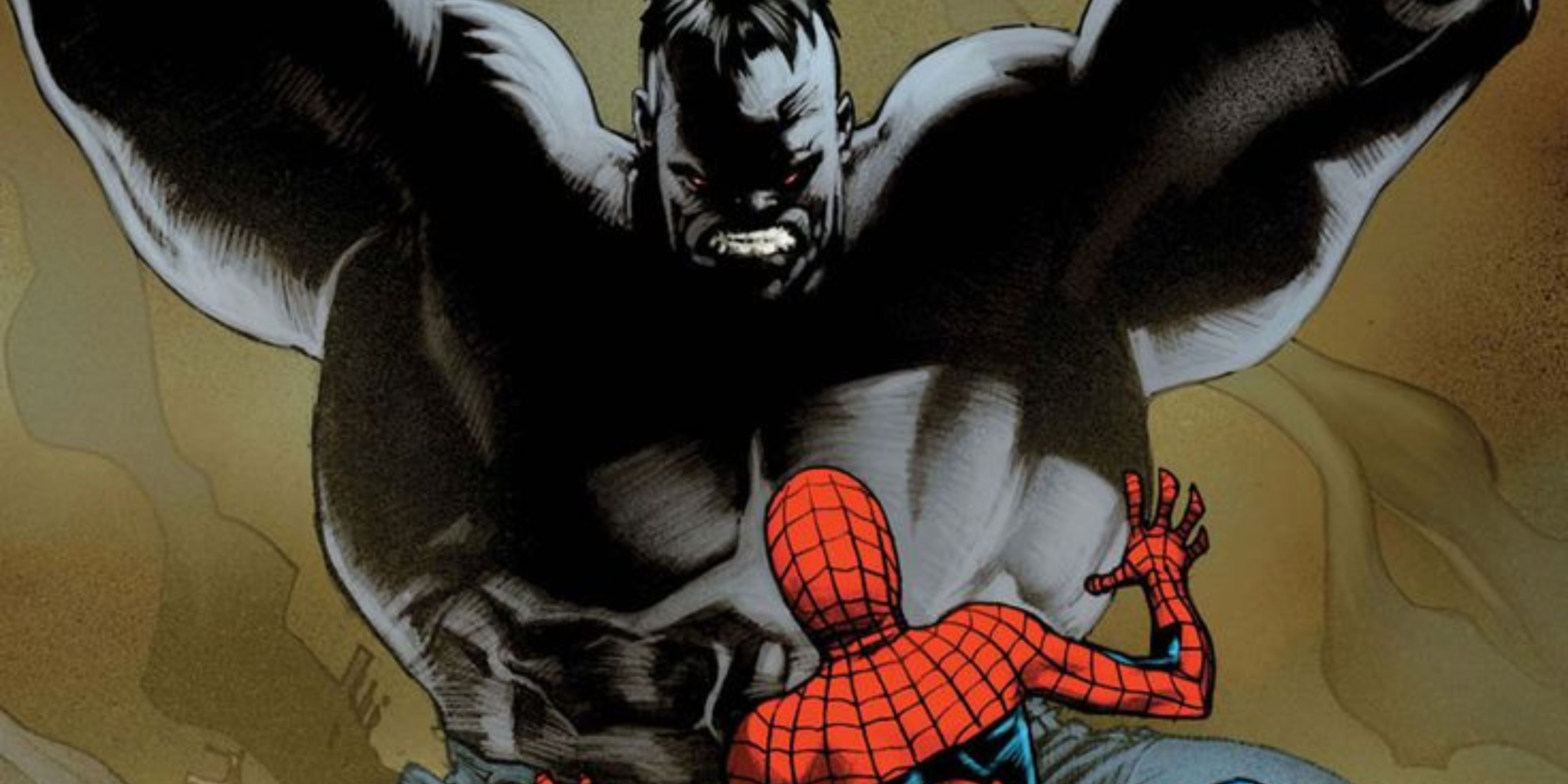
Spider-Man's chilling transformation into Hulk showcases a dark iteration that leaves a mark in comic history.
What happened is that Spider-Man’s transformation into the Hulk, particularly highlighted in Hulk (2021) #4, is being revisited with notable significance. Announced by ScreenRant on August 2, 2026, this iteration of Spider-Man—now known as Spider-Hulk—evokes a chilling and grotesque aura that sets it apart from previous versions.
The character’s development allows for a nuanced exploration of Spider-Man as a figure who can embody contrasting themes of good and horror, resonating with audiences who appreciate complex character arcs. This gives Spider-Man not only a fresh perspective but also a darker edge that may evolve conventional superhero narratives.
In this issue, Spider-Hulk emerges as a colossal and terrifying figure, larger than traditional portrayals of Hulk. As described by artists Donny Cates and Ryan Ottley, Spider-Hulk is a “gigantic monstrosity,” boasting a muscle-bound physique that exceeds even the formidable Starship Hulk. His unsettling design features multiple appendages and grotesque talons, presenting an unusual and macabre take on Spider-Man's character.
The creative team has artfully intertwined elements of tragedy and horror into this form. Unlike the heroic exclamations of “Hulk smash,” Spider-Hulk's cries of “Pwrrr!” and “Rssponblty!” underscore the bizarre, unsettling shift from a friendly neighborhood hero to a grotesque entity. The stark contrast between Spider-Man's well-known persona and this terrifying version leaves readers captivated, raising questions about identity and morality in superhero lore.
Before his haunting transformation, Spider-Man, or Peter Parker, was depicted as a captive in a grim reality. This alternate universe, governed by a gamma-irradiated version of Bruce Banner, shapes a narrative filled with tragedy. According to Hulk's recap and credits page, the tale unfolds within a pocket dimension where Banner has manipulated his powers, leading to unexpected and dire consequences.
Peter, once seen as a surrogate son to Banner, ultimately becomes just another victim of the brutal experiments led by President Thunderbolt Ross. This backstory enriches the character and allows readers to explore themes of sacrifice and betrayal, making Spider-Hulk more than just an epic transformation; it's a story of loss within the superhero genre.
While there's been no direct feedback from audiences regarding this specific issue at the time of this report, the general fascination with darker iterations of established heroes suggests that Spider-Hulk could attract a range of readers. The creative depiction as presented in Hulk (2021) has garnered significant interest among fans of Marvel Comics. With the mainstream acceptance of exploring moral ambiguity in superhero narratives, this Spider-Hulk form is likely to appeal to both die-hard followers and new readers eager for layered storytelling.
Moreover, it speaks to current trends where complex characters become not only heroes or villains but multifaceted beings whose transformations are as compelling as their quests for justice. Stories such as the ones told in Spider-Man: Brand New Day and the ongoing dialogue regarding darker superhero adaptations contribute to understanding why such iterations succeed with audiences today.
The emergence of Spider-Hulk brings forth exciting possibilities for the future of Spider-Man comics and related media. By reimagining established heroes in a grotesque and tragic light, creators can breathe new life into familiar characters, exploring themes that resonate deeply with contemporary societal issues. Spider-Hulk showcases that superhero narratives can transcend simple good-versus-evil tropes, delving into deeper existential themes that could redefine audience experiences with comic book lore. As Marvel continues to explore the darker shades of its characters, readers can expect more complex storytelling that challenges their perceptions and engages them on newer levels.
Analyzing the implications of this transformation can also lead to further discussions about the boundaries of character reinvention in comics. With various Spider-themed characters like the forthcoming Midnight Spider-Man, the literary landscape remains dynamic, and fans are bound to be thrilled by any upcoming developments.
Entertainment news
EpisodeBreakdown may use automated tools to assist research, drafting, and formatting. Published pages are governed by our editorial and corrections policies, and source links are shown when they are available in the article record.
Discovery source: ScreenRant. The source identifies where the topic was discovered; EpisodeBreakdown is responsible for the commentary published on this page.
Reader response
Reactions and poll results are based on real reader responses. No account is required.
AlphaPolis has made its debut in North America with three manga series, marking a significant expansion for the publisher.