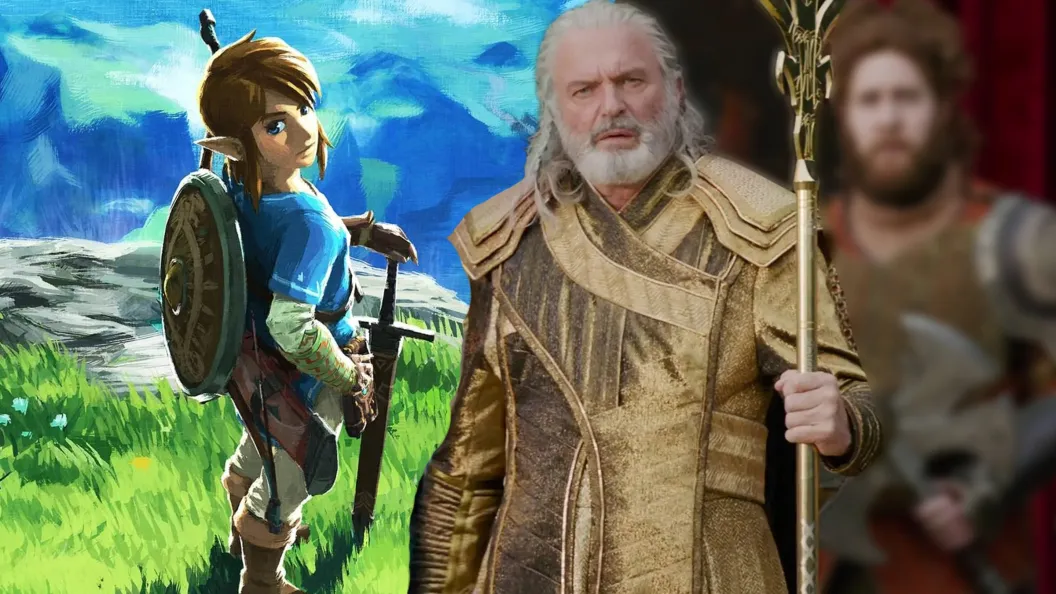
Jurassic World Rebirth Sequel Faces Setback as Director Exits
The sequel to 'Jurassic World Rebirth' has hit a significant roadblock as director Gareth Edwards departs the project due to reported creative differences.
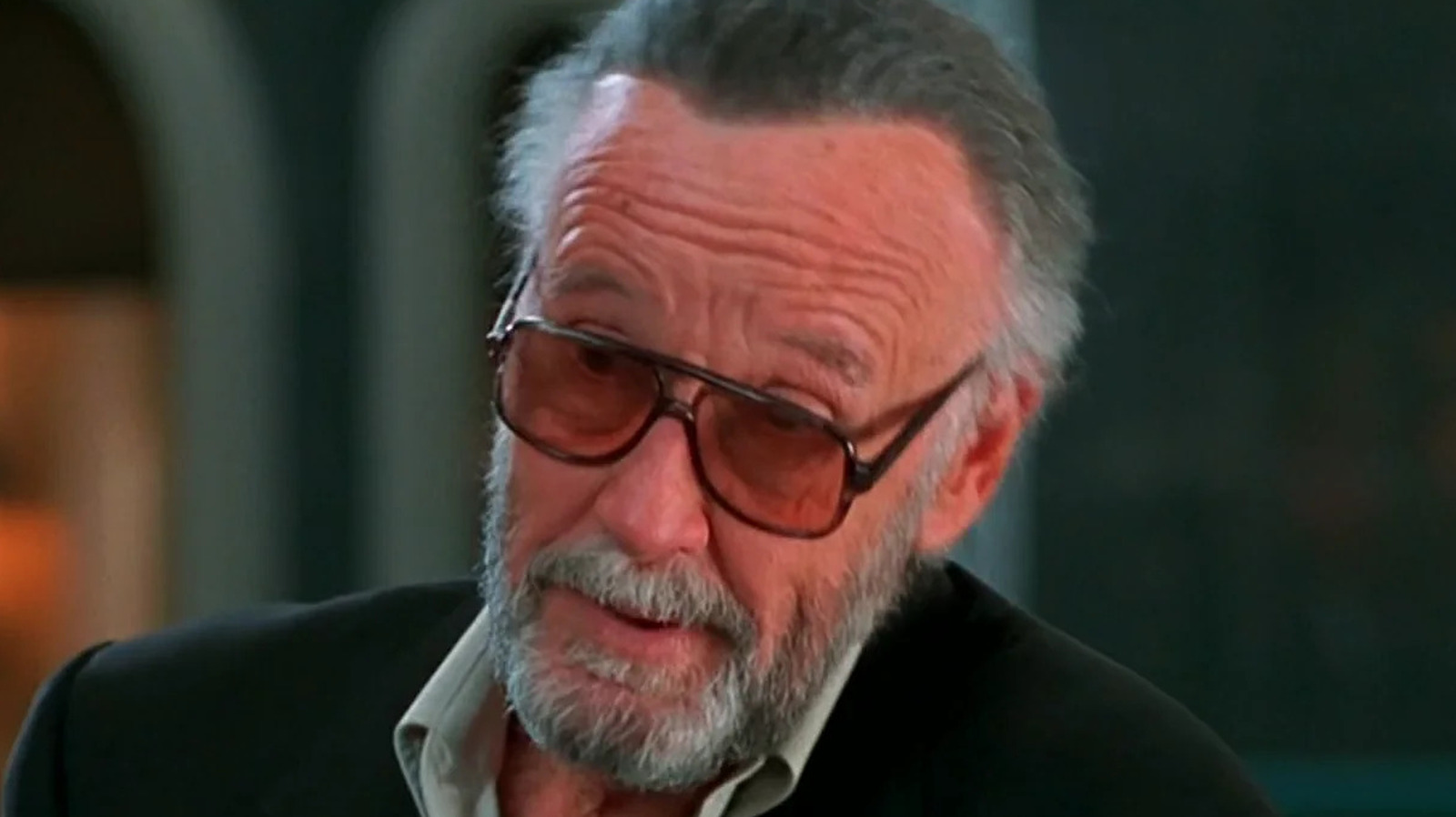
Stan Lee’s journey from embarrassment about writing comics to embracing their cultural significance reveals much about the medium and his influence.
Explore the franchise
In simple terms, Stan Lee's journey through the comic book world underscores a significant cultural evolution. Initially embarrassed about being merely a comic book writer, he eventually recognized the essential role entertainment plays in people's lives. This transformative realization not only highlighted his own legacy but also elevated the status of comics as a meaningful art form.
The central question that arises is: How did Stan Lee come to appreciate and advocate for the importance of comics in society? Here is what is confirmed: When Lee began his career, comics were widely regarded as child’s play, overshadowed by more traditional professions like engineering or medicine. In Lee's own words from a 2010 interview, he expressed a sense of embarrassment in his early years, feeling that he was contributing to a frivolous medium. Yet, as he matured, he recognized that storytelling through comics could bring joy and comfort to millions.
This shift in perception is key, indicating that Lee wasn't just a writer; he became a visionary who championed comics as an essential cultural element. His evolution from embarrassment to pride reflects a broader acceptance of the medium as a legitimate form of artistic expression.
Lee’s turning point occurred during the rise of the superhero genre in cinema. Films like Spider-Man and X-Men not only validated his lifelong work but also placed comic book narratives at the forefront of pop culture. As he articulated, “Entertainment is one of the most important things in people's lives.” This revelation laid the groundwork for a new era in which comic book creators and their stories began receiving the recognition and respect they deserved.
Moreover, this acknowledgment came at a time when Lee's creations became integral to mainstream cinema. With the Marvel Cinematic Universe gaining momentum, the transition from low-budget adaptations to blockbuster successes illustrated the formidable power of comics as a storytelling medium. Lee’s prior feelings of inadequacy were overtaken by a sense of pride as his characters spanned generations, establishing a global brand that resonated with diverse audiences.
Lee's own reflections on his career were multifaceted. Beyond mere profit, he saw comics as a conduit for happiness and positivity. He understood, as he noted, that “seeing how happy the fans are” when they interacted with their beloved characters provided him with a renewed sense of purpose.
Despite this overwhelming success, Lee's journey also revealed the disparities that still exist in the comic book industry. Although his characters brought in billions for companies like Disney, the creators themselves often continued to struggle for fair compensation. His advocacy emphasizes the need for ongoing conversations about artistic credits and remuneration, serving as a warning against dismissing comic writers and artists as mere entertainers.
Stan Lee's narrative uncovers layers of complexity beyond personal transformation. His earlier embarrassment can also serve as a metaphor for the societal undervaluation of art, particularly in genres like comics. Lee’s work contributed significantly to shifting perceptions, indicating that entertainment isn't simply escapist; it can have profound societal implications.
This cultural reflection resonates today, especially as superhero narratives delve into deeper themes of identity, morality, and societal issues. Engaging with characters like those co-created by Lee allows audiences to explore their own values and realities. The complexity and depth of these stories are further emphasized in discussions surrounding modern adaptations, such as the intricate layers explored in Strange New Worlds and the relationships depicted in Jurassic World: Rebirth.
As Lee passed away in 2018, his legacy became a topic of growing significance. Much has been documented in works like True Believer, which aims to dissect the multifaceted nature of his contributions to comics. While Lee remains a legendary figure, the narrative also recognizes collaborators like Jack Kirby and Steve Ditko, spotlighting the collective nature of the creative process.
Yet, Lee’s role as an ambassador of the comic world is undeniable. His enthusiasm and charisma helped dismantle the long-held prejudices surrounding the medium. Today, thousands of comic creators can feel empowered, no longer having to hide their craft. Comics are increasingly respected, providing necessary insights into human experiences — a change that Lee initiated.
Stan Lee’s legacy illustrates the power of art in shaping cultural narratives. His evolution from feeling embarrassed by his profession to championing the story-driven impact of comics signifies a broader societal shift toward valuing creative expression. As comics continue to influence mainstream media, we find ourselves standing on the shoulders of giants. Lee's journey tells us that creators should never feel ashamed of their craft; instead, they should take pride in the joy and meaning they bring to people's lives. The world can only benefit from embracing the artistic power of storytelling in all its forms.
Movie explanation
EpisodeBreakdown may use automated tools to assist research, drafting, and formatting. Published pages are governed by our editorial and corrections policies, and source links are shown when they are available in the article record.
Discovery source: Slashfilm. The source identifies where the topic was discovered; EpisodeBreakdown is responsible for the commentary published on this page.
Reader response
Reactions and poll results are based on real reader responses. No account is required.