test
asdasd
Explore how Gene Roddenberry's early drafts failed to capture the magic of Star Trek's famous intro.
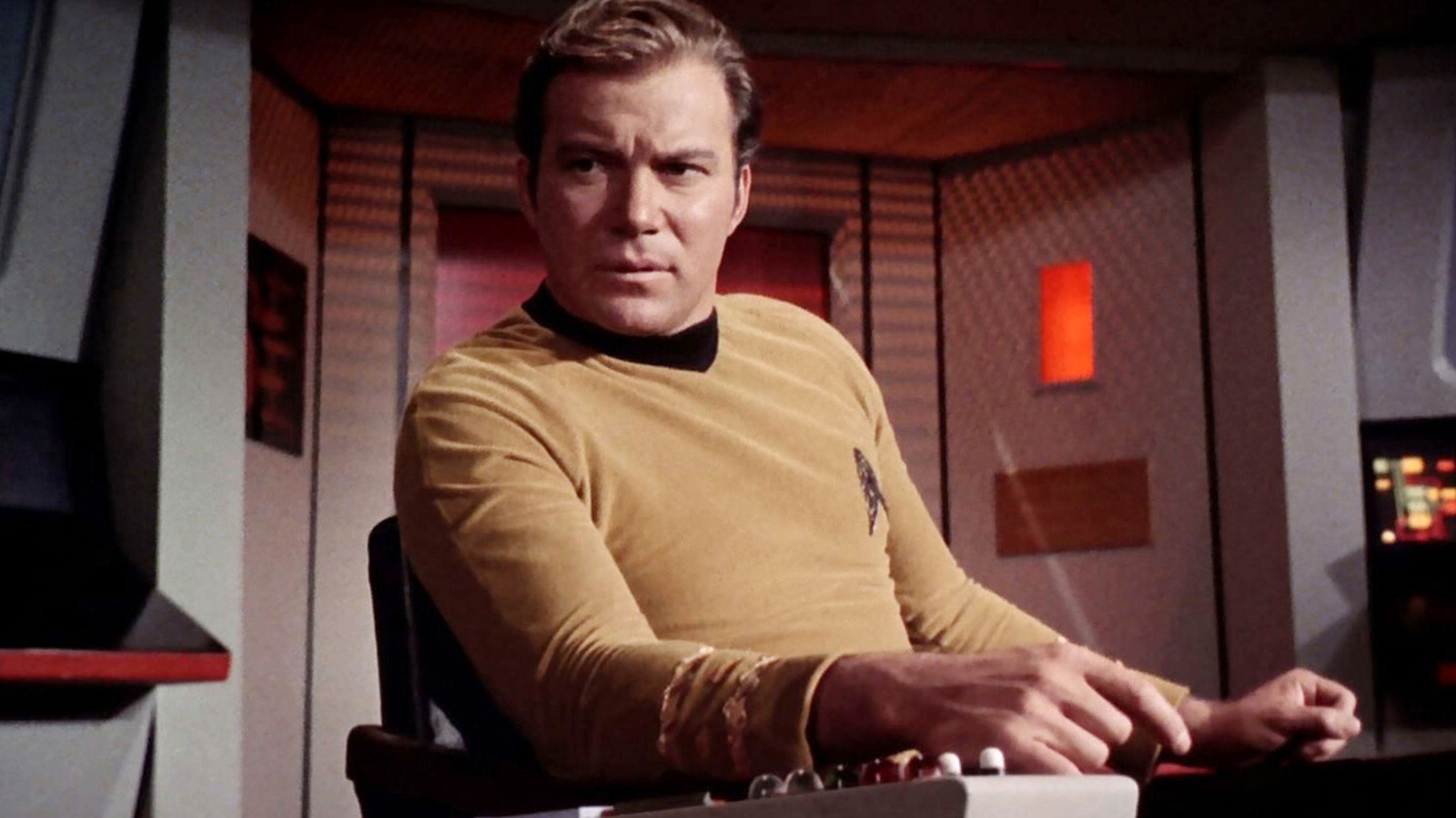
In simple terms, Gene Roddenberry's initial draft of the iconic Star Trek introduction was notably uninspired. What happened is that the familiar lines read by William Shatner as Captain Kirk—"to boldly go where no man has gone before"—were shaped and refined in the final moments before filming, transforming a bland description into a legendary monologue. The differences between Roddenberry's early attempts and the final version illustrate the creative process behind one of television's most memorable openings.
When Roddenberry set out to write the narration for Star Trek, he delayed the task until the eleventh hour. According to insights from the book Inside Star Trek: The Real Story, he provided a dry and straightforward account of the Enterprise's missions. His first draft read much like a fact sheet: "This is the story of the United Space Ship Enterprise. Assigned a five year patrol of our galaxy..." In stark contrast to the final product, this draft did not evoke excitement or capture the adventure of space exploration.
The transformation of the original voiceover was not a solitary endeavor. Roddenberry's first attempts drew criticism for their lack of drama. John D.F. Black and Robert H. Justman, both producers on the series, intervened to give the intro additional flair. Justman noted that Roddenberry often procrastinated on writing duties, which contributed to the crunch time he faced just days before the premiere episode was due to air. Black's input emphasized the need for greater emotional weight, reminding Roddenberry that viewers needed to feel the excitement of space travel.
Once Roddenberry finally submitted a revised version of the narration, it became clear that another layer was needed to elevate its impact. After William Shatner recorded the voiceover, Justman noted that the delivery sounded too contemporary and lacked the dramatic resonance they envisioned. This led to the decision to enhance Shatner’s voice with reverberation, an adjustment that contributed significantly to the iconic sound that now resonates with fans. This fine-tuning turned a routine introduction into an unforgettable call to adventure.
Today, the Star Trek introduction is synonymous with the franchise itself, encapsulating the essence of exploration and human curiosity. Despite its rocky beginnings, the intro has become an enduring symbol of science fiction on television. The revisions and collaborative efforts not only salvaged the narration but also set a precedent for future series emphasizing the importance of compelling storytelling. The initial mediocrity of Roddenberry's draft serves as a reminder that even legendary content can emerge from humble beginnings.
The evolution of the Star Trek intro also mirrors broader changes in television narration styles over the decades. Whereas earlier shows often relied on straightforward exposition, Star Trek's final introduction exemplified a shift towards more engaging storytelling techniques. This approach paved the way for future series to adopt similar formats, encouraging a blend of exposition with excitement, drama, and emotional resonance.
As we reflect on this iconic monologue's origins, it’s evident that even a creative giant like Gene Roddenberry needed collaboration to realize a vision. The final delivery set the tone for what Star Trek would eventually represent—exploration, adventure, and the pursuit of knowledge.
The journey from Roddenberry’s uninspired draft to the iconic introduction illustrates the collaborative nature of creativity in television. It reminds producers and creators today that sometimes, great ideas can develop from less-than-perfect beginnings. While the exact paths of this creative process may remain somewhat enigmatic, its end result is a legacy that continues to captivate and inspire audiences around the world.
To learn more about the impact of iconic television moments, check out our guides on Rebecca Hall and Morgan Spector in Dan Brown's Adaptation and Zoe Saldaña's reflections on her craft.
Story breakdown
EpisodeBreakdown may use automated tools to assist research, drafting, and formatting. Published pages are governed by our editorial and corrections policies, and source links are shown when they are available in the article record.
Discovery source: TVLine. The source identifies where the topic was discovered; EpisodeBreakdown is responsible for the commentary published on this page.
Reader response
Reactions and poll results are based on real reader responses. No account is required.