test
asdasd
Explore how Strange New Worlds creatively nods to TOS's silliest episode, enriching the franchise lore.
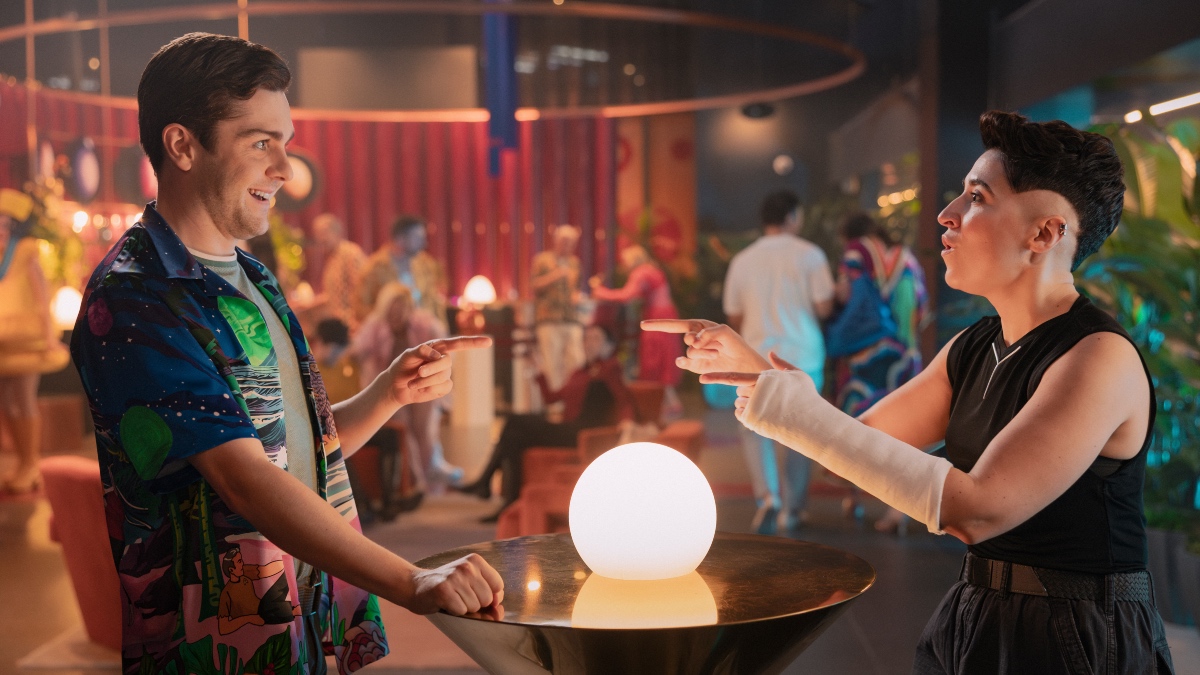
In simple terms, the recent episode of Star Trek: Strange New Worlds, titled "Human Best Friend," serves as a delightful callback to the Original Series' iconic but goofy episode "Shore Leave." This connection not only highlights the humorous and whimsical nature of the Star Trek universe but also enriches character development, seamlessly blending nostalgia with growth. The episode unfolds when Captain Pike declares shore leave, engaging both crew and audiences, particularly long-time fans familiar with the original antics on the planet of leisure.
What happened is that "Human Best Friend" cleverly invokes the spirit of The Original Series, particularly the outrageous elements of Shore Leave. This 1966 episode features Captain Kirk and crew encountering hallucinations driven by their deepest desires, including McCoy's whimsical chase after the White Rabbit from Lewis Carroll's Alice in Wonderland. Just as in the original episode, Pike and his team find themselves in a whimsical scenario, allowing them to confront personal desires rather than just fears.
In "Shore Leave," the crew’s encounters were orchestrated by a benevolent yet enigmatic caretaker who unintentionally serves up their fantasies. Similarly, Strange New Worlds presents the crew with a psychedelic atmosphere, leading to imaginative scenarios that reveal much about each character's psychological makeup. For instance, we see M'Benga in a role as an affable bartender, while Uhura experiences a surreal party scene, highlighting personal joys instead of traumas.
The humor in both episodes underscores a significant theme: the balance between work and play. In "Human Best Friend," the crew's lighthearted adventures are essential not merely for entertainment but for their emotional well-being, setting the stage for a crucial diplomatic engagement that underscored their professionalism. This duality aligns perfectly with the ethos of Star Trek: silliness is intertwined with proficiency, affirming that rejuvenation is vital for peak performance.
Rebecca Romijn, who portrays Number One, reflects on her character’s karaoke performance and how it serves as both fun and a challenge. She notes that the episode’s initial musical choice was altered due to rights issues, but she embraced the chance to perform “Total Eclipse of the Heart” in Klingon. Such intricacies remind us that the production team aimed not only for humor but also for depth and cultural sensitivity by ensuring accuracy in language.
In addition to echoing Shore Leave, "Human Best Friend" builds on narrative threads from recent Strange New Worlds episodes, particularly connecting with The Griffin Incident and the Ortegas-focused Terrarium. Each of these episodes navigates personal psychology; however, while “The Griffin Incident” dives into fear, Human Best Friend lightens the mood by introducing blissful hallucinations. This pattern champions character exploration, further cementing the unique tone of Strange New Worlds as a series that simultaneously cherishes its roots while boldly venturing into new territory.
The playful interactions manage not only to entertain but also to deepen character arcs. Ortega's pairing with Mr. Scott harkens back to The Original Series while providing fresh dynamics that fuel not just nostalgia but meaningful connections.
Both episodes—Shore Leave and Human Best Friend—underscore an essential ethos in Starfleet: crew members can only operate at their best when they’ve had sufficient downtime. This principle serves to emphasize personal well-being in a high-stakes environment, instilling the idea that even in the grind of starship life, moments of levity are paramount.
Anson Mount, who portrays Captain Pike, shares insights on how the playful aspects of the character contributed to the episode's charm. He notes that room for creativity allowed him to shape an inebriated version of Pike, characterizing him as someone wanting to experience the more laid-back side of life amidst Starfleet's usual rigorous schedule.
As Star Trek: Strange New Worlds continues to develop, its willingness to embrace humor while tackling deeper emotional themes sets it apart from their predecessor's more conventional storytelling. It strikes a balance between honoring the past and engaging with contemporary storytelling sensibilities. This ability to conjure elements of lightheartedness and digital connectivity in a franchise rooted in philosophical exploration solidifies Strange New Worlds as an essential part of the Star Trek legacy.
Through playful tributes like Human Best Friend, creators maintain a connection to the franchise’s history while ensuring that it remains relevant and resonate with audiences both old and new.
For those eager to delve deeper into the connections between Strange New Worlds and its forerunners, related content is available on our site, including:
The episode reinforces an important takeaway: in the universe of Star Trek, even the silliest of adventures can yield profound insights. The interplay of absurdity and seriousness exemplifies how rest and rejuvenation are crucial for any journey—be it through the stars or navigating life’s unpredictable events. As the Star Trek saga continues with new episodes streaming every Thursday on Paramount+, audiences can expect characters that remain fundamentally human, even amidst the vastness of space.
Story breakdown
EpisodeBreakdown may use automated tools to assist research, drafting, and formatting. Published pages are governed by our editorial and corrections policies, and source links are shown when they are available in the article record.
Discovery source: Den of Geek. The source identifies where the topic was discovered; EpisodeBreakdown is responsible for the commentary published on this page.
Reader response
Reactions and poll results are based on real reader responses. No account is required.