Blizzard Entertainment confirmed at BlizzCon 2026 that the upcoming 2030 StarCraft reboot will abandon its traditional real-time strategy (RTS) format in favor of an open-world third-person shooter with narrative-driven gameplay. This announcement represents a major pivot for the franchise, which has long been defined by its competitive RTS mechanics and army-based warfare.
The shift was detailed in a statement from Blizzard's official channels, emphasizing that players will now embody individual roles within a cohesive narrative framework rather than managing rival factions in a classic RTS setting. This reimagining aligns with Blizzard's broader strategy of evolving franchises to meet modern audience expectations while preserving the core identity of StarCraft.
The announcement comes as part of a larger conversation about how established gaming franchises can adapt to changing player preferences. ComicBook.com reported the development through its verified source page, which notes that the 2030 reboot is set to be a 'third-person shooter driven by narrative closer to modern titles.' This represents a deliberate departure from StarCraft's historical focus on strategic resource management and large-scale army battles.
StarCraft's Genre Evolution Context
StarCraft has been a cornerstone of the RTS genre since its 1998 debut, with the franchise's influence spanning decades. The 2030 reboot marks the first major shift in the series' gameplay model since its original release, signaling Blizzard's willingness to experiment with new formats while maintaining the franchise's legacy.
The move echoes similar trends in other major franchises. For instance, Final Fantasy 7 Remake shifted toward real-time action, Halo evolved into an RTS through Halo Wars, and Fallout 3 transitioned from a top-down CRPG to an open-world RPG. These examples demonstrate how established series can successfully pivot to new genres without losing their core appeal.
Halo's Potential RPG Reboot
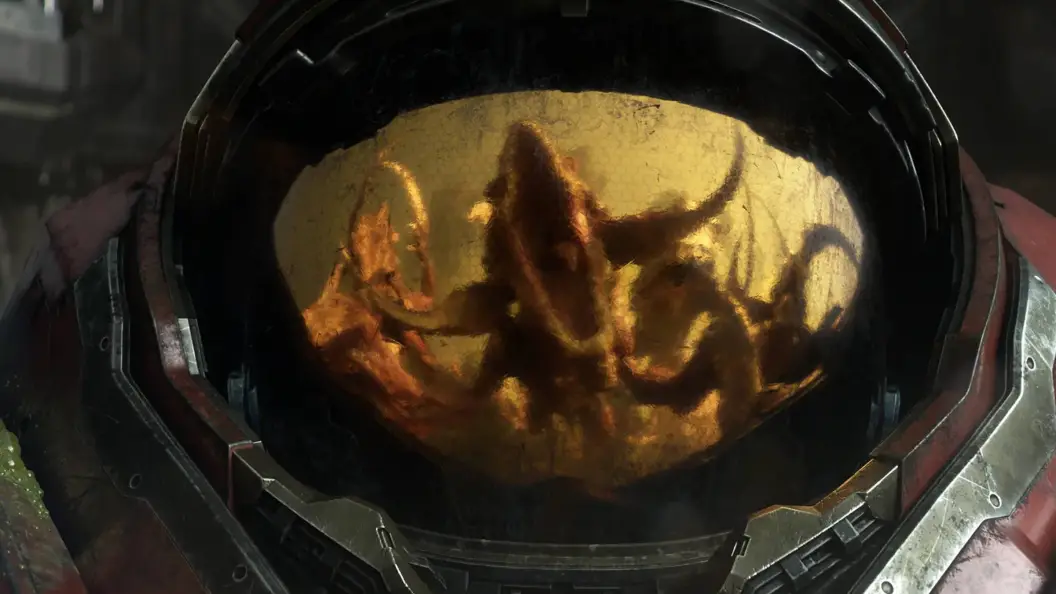
While StarCraft's reboot is the focus of the announcement, the article also highlights Halo as a franchise that could benefit from a similar genre shift. A potential Halo RPG, inspired by Fallout: New Vegas, could allow players to customize their Spartan or Sangheili characters while navigating the Covenant-Human conflict. This concept would emphasize narrative depth and character-driven gameplay over traditional first-person shooter mechanics.
The proposed Halo RPG would likely draw from the success of Cyberpunk 2077 and Star Wars: Knights of the Old Republic, offering players greater creative control within the franchise's universe. Such a game could be set at any point in the Halo timeline, potentially addressing the series' historical struggles with narrative cohesion.
Splinter Cell's Potential FPS Reboot
Another franchise mentioned in the article is Splinter Cell, which could benefit from a shift to a first-person shooter (FPS) format. The current Splinter Cell series is known for its third-person stealth mechanics, but a first-person perspective could enhance immersion and tactical gameplay. This approach would align with the design principles of games like Outlast and Thief, where environmental awareness plays a critical role.
The Splinter Cell FPS would need to address enemy AI and level design challenges to maintain the series' stealth-focused identity. However, the shift could help the franchise stand out from competitors like Rainbow Six Siege while preserving its core appeal.
BioShock's Metroidvania Spin-Off
BioShock has also been identified as a franchise that could thrive with a Metroidvania spin-off. The underwater world of Rapture or the high-flying metropolis of BioShock Infinite could be reimagined as a side-scrolling exploration game. This approach would allow players to unlock new abilities through DNA-altering powers, similar to the mechanics seen in Castlevania: Belmont's Curse.
The Metroidvania format has gained significant traction in recent years, with titles like Hollow Knight: Silksong and Metroid Ravenous demonstrating its potential. A BioShock Metroidvania could provide a fresh take on the franchise while leveraging its rich world-building.
Dino Crisis' Camera Shift
Dino Crisis, a survival horror series from Capcom, is highlighted as a franchise that could benefit from an over-the-shoulder third-person camera shift. This change, similar to the one implemented in Resident Evil 4, would improve the player's ability to interact with large-scale threats like dinosaurs while maintaining the series' horror elements.
The article notes that the Resident Evil 2 Remake's adoption of a third-person camera style has helped the franchise thrive, suggesting that a similar approach could elevate Dino Crisis' gameplay without compromising its core identity.
Why This Matters for Franchise Evolution
The StarCraft 2030 reboot represents a pivotal moment for how gaming franchises can evolve. By moving away from traditional RTS mechanics, Blizzard is signaling that even long-standing franchises can adapt to modern player expectations without sacrificing their historical significance.
This shift could inspire other studios to explore similar genre pivots, particularly in franchises that have faced challenges with maintaining relevance. The success of StarCraft's reboot could set a precedent for how established series navigate the evolving gaming landscape.
For fans of StarCraft, the reboot promises a fresh take on the franchise while respecting its legacy. The move to a third-person shooter format could attract new audiences who prefer narrative-driven gameplay over competitive RTS mechanics, potentially expanding the franchise's reach beyond its traditional fanbase.
The article also emphasizes that such genre shifts are not unique to StarCraft. Other franchises like Halo, Splinter Cell, BioShock, and Dino Crisis have all been proposed for similar reboots, highlighting a broader trend in the industry toward more diverse gameplay experiences.
This evolution in gaming franchises reflects a growing understanding that player preferences are shifting toward more immersive, narrative-focused experiences. By embracing these changes, studios can ensure their franchises remain relevant and engaging for future generations.
Entertainment news
About this breakdown
PublishedNovember 24, 2026
Last updatedNovember 24, 2026
Topics coveredStarCraft's Genre Evolution ContextHalo's Potential RPG RebootSplinter Cell's Potential FPS RebootBioShock's Metroidvania Spin-Off
EpisodeBreakdown may use automated tools to assist research, drafting, and formatting. Published pages are governed by our editorial and corrections policies, and source links are shown when they are available in the article record.
Discovery source: ComicBook.com. The source identifies where the topic was discovered; EpisodeBreakdown is responsible for the commentary published on this page.
Weekly editorial digest
Get the next breakdown in your inbox
Choose what you follow and receive one focused email with original anime, movie, TV, ending, timeline, and character coverage.
One email a weekNo spamCancel anytime