test
asdasd
Explore the intriguing world of Steins;Gate, a sci-fi anime that combines drama and suspense through its engaging narrative and compelling characters.
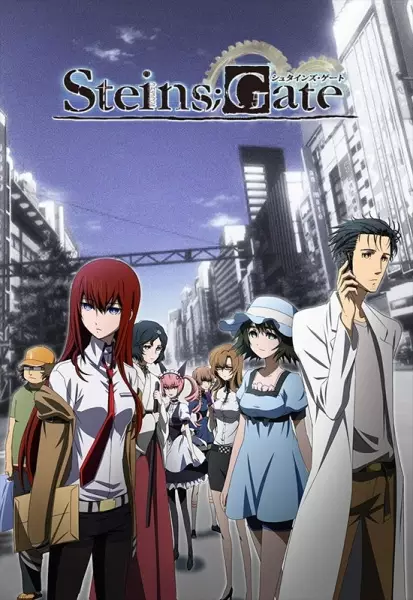
Steins;Gate, an anime series that has captivated audiences since its release in 2011, delves into the complex world of time travel, scientific discovery, and the intertwined lives of its eccentric characters. With a unique blend of drama and suspense, the series is not only critically acclaimed but also boasts a high rating and a devoted fan base. In this article, we'll explore the series' captivating plot, the main characters, the ending, and why it continues to resonate with viewers today.
Set in Akihabara, Japan, Steins;Gate follows the story of Rintarou Okabe, a self-proclaimed mad scientist who, along with his friends, stumbles upon a groundbreaking discovery—time travel via a modified microwave. As they experiment with this newfound technology, unexpected consequences unfold. The show combines thrilling suspense with deep emotional storytelling, making it a standout in the sci-fi genre.
The adventure begins when Okabe, along with his close friends Mayuri Shiina and Itaru Hashida, establishes the Future Gadget Laboratory, a quirky spot where they aim to create absurd inventions. Their most famous, yet underwhelming, creation is a microwave that turns bananas into what they humorously call “green goo.” However, everything changes when Okabe attends a conference on time travel. There, he witnesses a bizarre event—a girl being killed, which propels him into a realm of intrigue and manipulation.
What sets Steins;Gate apart is its deep exploration of the consequences of time travel. The “Phone Microwave,” their seemingly innocent invention, holds the power to send messages into the past. This premise opens the door to moral dilemmas, alternate realities, and emotional storytelling, forcing characters to confront the impact of their decisions on the timeline.
The series effectively builds tension as the characters navigate the dangers of their experiments, revealing the darker aspects of human nature and the ethical concerns surrounding scientific discovery, all while maintaining a comedic undertone that keeps viewers engaged.
Rintarou Okabe is the lead character, often self-referential and dramatic, calling himself “Mad Scientist” and often talking to a non-existent lab assistant named “Kurisu.” His complex personality balances humor and seriousness, making him relatable and appealing.
Mayuri is Okabe’s childhood friend and serves as the emotional heart of the series. Her bubbly personality contrasts with the darker themes of the show. As the series progresses, her relationship with Okabe deepens, adding emotional stakes to the time-travel narrative.
Itaru, or “Daru,” is the tech-savvy member of the trio and provides comic relief. His knowledge of computers and technology is pivotal to the development of their experiments. Daru’s interactions with other characters add layers of depth and humor, making him a beloved part of the group.
An exceptionally talented neuroscientist, Kurisu becomes deeply involved in the time travel experiments. Her character embodies intelligence and complexity, often challenging Okabe’s eccentricities. The dynamic between Kurisu and Okabe creates emotional tension that drives much of the series’ conflict.
Various supporting characters enrich the narrative, each contributing to the overarching themes of friendship, sacrifice, and the consequences of tampering with time. Characters like Suzuha Amane, who plays a critical role in the time travel aspects of the story, introduce new dimensions to the plot as they interact with the main cast.
As the series approaches its conclusion, tensions heighten as the characters grapple with the ramifications of their time travel experiences. The ultimate climax reveals the consequences of their past actions and the devastating impact of altering timelines. Without revealing spoilers, the ending encapsulates the series' themes of sacrifice, the value of relationships, and the sometimes harsh realities of scientific exploration.
The resolution leaves viewers nostalgic, reflecting on the profound changes within characters and the emotional weight carried by their choices. It poses lingering questions about the fabric of time and reality, adding layers of complexity to the narrative. Fans are left with a mix of satisfaction and sadness, reflecting on the characters' journeys and the lessons learned.
While Steins;Gate has concluded, the possibilities for sequels or spin-offs remain vibrant discussions within the fan community. The intricacies of time travel offer a fertile ground for exploration of alternative realities or deeper dives into character backstories. Future adaptations could focus on characters like Kurisu or even delve into the mechanics of time travel itself.
Moreover, as technology continues to evolve in the real world, the relevance of Steins;Gate's themes becomes even more pronounced. This creates an opportunity for new content that bridges the past with contemporary issues, making it a timely source for fresh narratives.
Steins;Gate remains relevant and popular in contemporary discussions thanks to its unique blend of science fiction and profound storytelling. The anime's exploration of time travel resonates with viewers who are enamored with the idea of choice and consequence. In addition to its engaging plot, the series boasts exceptional character development, humor, and heartfelt moments, solidifying its status as a classic in the anime genre.
Moreover, the anime community often revisits iconic series, contributing to renewed interest, fan art, discussions, and theorizing about its impact and legacy. As new fans discover the series and older fans continue to relate their own experiences to the characters’ journeys, Steins;Gate maintains its position as a timeless masterpiece.
In summary, Steins;Gate stands out not just for its premise of time travel but for its masterful storytelling, character development, and emotional depth. The series skillfully navigates the complexities of science and human relationships, making it a highly recommended watch for anyone interested in the genre. With its high score and lasting popularity, it’s clear that Steins;Gate has made a significant impact, leaving an indelible mark on the landscape of anime.
As we continue to explore what makes a narrative compelling, Steins;Gate serves as a testament to the power of storytelling in tackling profound questions about existence, choice, and the human condition.
Episode breakdown
EpisodeBreakdown may use automated tools to assist research, drafting, and formatting. Published pages are governed by our editorial and corrections policies, and source links are shown when they are available in the article record.
Discovery source: Jikan / MyAnimeList. The source identifies where the topic was discovered; EpisodeBreakdown is responsible for the commentary published on this page.
Reader response
Reactions and poll results are based on real reader responses. No account is required.