series
House of the Dragon
In a stunning revelation, Jamie Campbell Bower discusses his vision for Vecna's demise in 'Stranger Things' and its potential connection to the prequel, 'The First Shadow'.
Explore the franchise
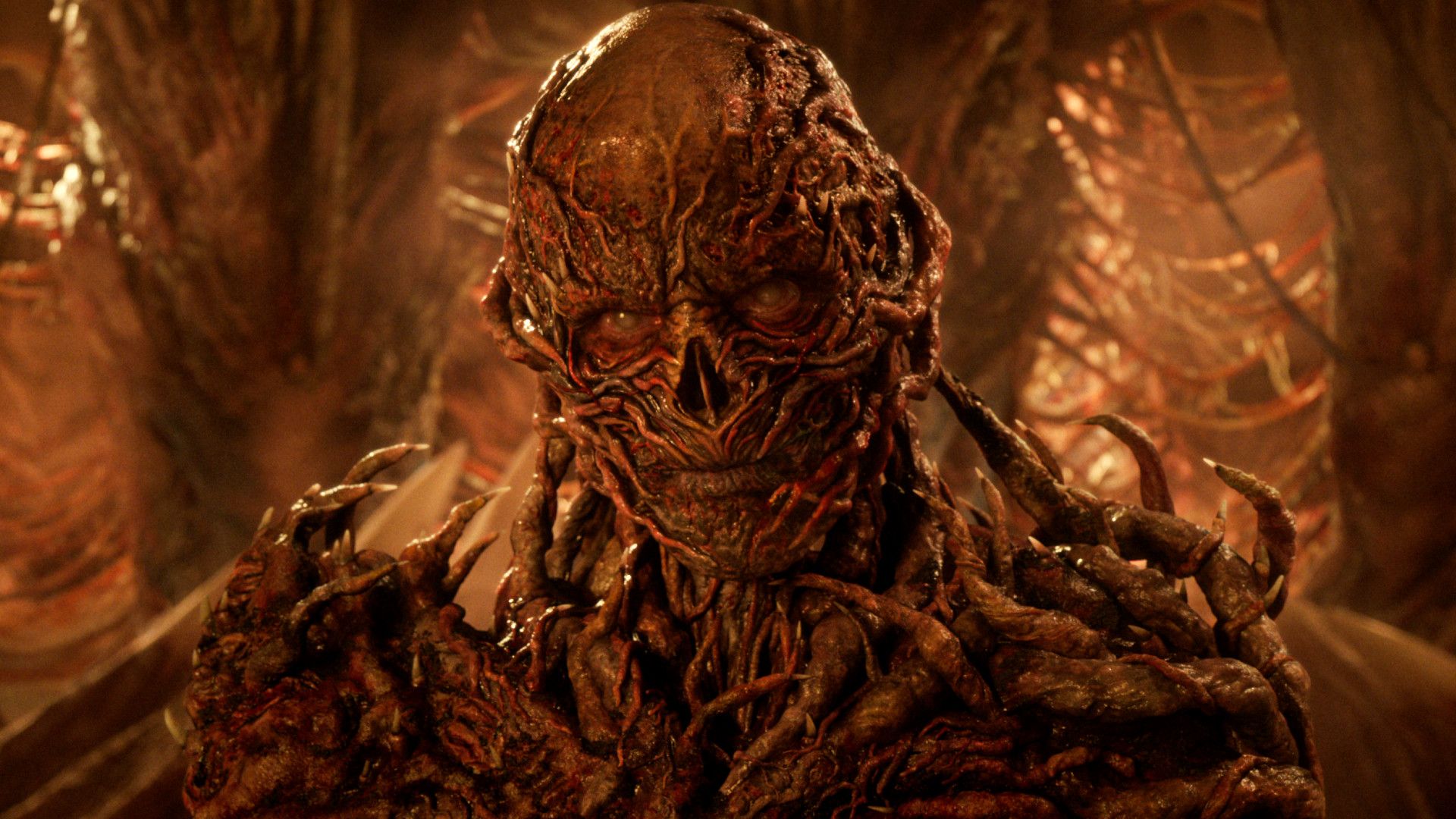
In the realm of supernatural thrillers, few shows have captured audiences quite like “Stranger Things.” The series, with its intricate storyline and rich character development, has kept fans on the edge of their seats since its inception. Recent insights from Jamie Campbell Bower, who portrayed the formidable villain Vecna, provide a fascinating glimpse into creative discussions surrounding his character's demise. According to Bower, there was a unique opportunity to craft Vecna's death scene that could have echoed plot elements from the stage production “The First Shadow,” a prequel to the beloved Netflix series.
In an interview, Jamie Campbell Bower shared his intentions for Vecna's death, suggesting a callback to the prequel “The First Shadow.” Fans are speculating how this connection might enhance the overarching narrative of “Stranger Things” and deepen the understanding of Vecna as a character. This discussion places both the prequel and the original show in a broader narrative context, underlining the importance of interconnected storytelling in a franchise.
Stranger Things is set in the fictional town of Hawkins, Indiana, and excavates the mysteries of the Upside Down, an alternate dimension teeming with monstrous entities. Vecna, portrayed by Campbell Bower, emerges as one of the series' most vicious antagonists in the later seasons, drawing parallels to classic horror tropes while deepening the philosophical reflection on good versus evil. This character not only threatens the kids of Hawkins but embodies deeper themes of trauma, resilience, and manipulation.
Parallel to Stranger Things, the prequel “The First Shadow” explores the origins of the Upside Down and the formation of key relationships and conflicts leading to the events of the main series. As a prequel, it shines a light on the characters before they are deeply entrenched in the battles of the later seasons.
In the Stranger Things universe, we have a richly woven tapestry of characters:
Vecna (Jamie Campbell Bower): As one of the primary antagonists, Vecna represents both a physical threat and a manifestation of darker human emotions. His backstory, which is explored further in the prequel, adds layers to his malicious intentions.
Eleven (Millie Bobby Brown): The powerful girl who battles Vecna embodies hope and strength against overwhelming odds.
Mike Wheeler (Finn Wolfhard): Eleven's love interest and a central figure among the group, helping to navigate the emotional dynamics of their struggle against Vecna.
Dustin Henderson (Gaten Matarazzo) and Lucas Sinclair (Caleb McLaughlin): Members of the main group, each bringing their unique qualities to face off against the otherworldly threats.
The interplay between these characters and Vecna creates a rich narrative experience that fans have come to love.
While details on the specific ending of Bower's portrayal of Vecna remain somewhat vague based on available public metadata, it's clear that the writers have structured the character's arc with both triumph and tragedy in mind. Bower's desire to incorporate callbacks to The First Shadow in Vecna's downfall signifies an interest in unity between the prequel and original series.
If Vecna's death had indeed mirrored events from “The First Shadow,” it could have accentuated the cycle of conflict that characterizes both productions. The notion of a character’s end reflecting their origins creates thematic resonance—what each character faces at the conclusion is significantly shaped by their backstory, enhancing emotional payoff for the audience.
Given the interconnected storytelling in a franchise like Stranger Things, Bower’s revelations about Vecna's potential death callback lead us to speculate on several avenues for future narratives:
Jamie Campbell Bower's comments have sparked significant interest among fans as they consider how a villain's demise can echo the themes established in earlier narratives. This insight not only enhances the audience's understanding of Vecna's character but reignites excitement for potential interconnected storytelling methods, both in prequels and sequels.
Fans are particularly drawn to strong connections between different plots and timelines, and Bower's suggestion that Vecna’s death could have harked back to the prequel is a perfect example of storytelling potential that resonates deeply with viewers.
In conclusion, Jamie Campbell Bower's vision for Vecna's death reflects a broader desire among the Stranger Things creative team to weave intricate stories that honor their characters' origins while maintaining suspense and excitement. As the franchise evolves, the interplay between the prequel and the original series may become a cornerstone of its narrative architecture, allowing for richer backstories and deeper emotional engagement. With its mix of horror, adventure, and strong thematic undertones, Stranger Things continues to captivate audiences, ensuring that fans will remain invested as further developments unfold in this beloved series.
Character guide
EpisodeBreakdown may use automated tools to assist research, drafting, and formatting. Published pages are governed by our editorial and corrections policies, and source links are shown when they are available in the article record.
Discovery source: ScreenRant. The source identifies where the topic was discovered; EpisodeBreakdown is responsible for the commentary published on this page.
Reader response
Reactions and poll results are based on real reader responses. No account is required.
House of the Dragon Season 3 dramatically alters events from Fire & Blood, impacting character arcs and storylines.