‘Paper Tiger’ and ‘Musk’ Documentary Featured at 2026 SFIFF
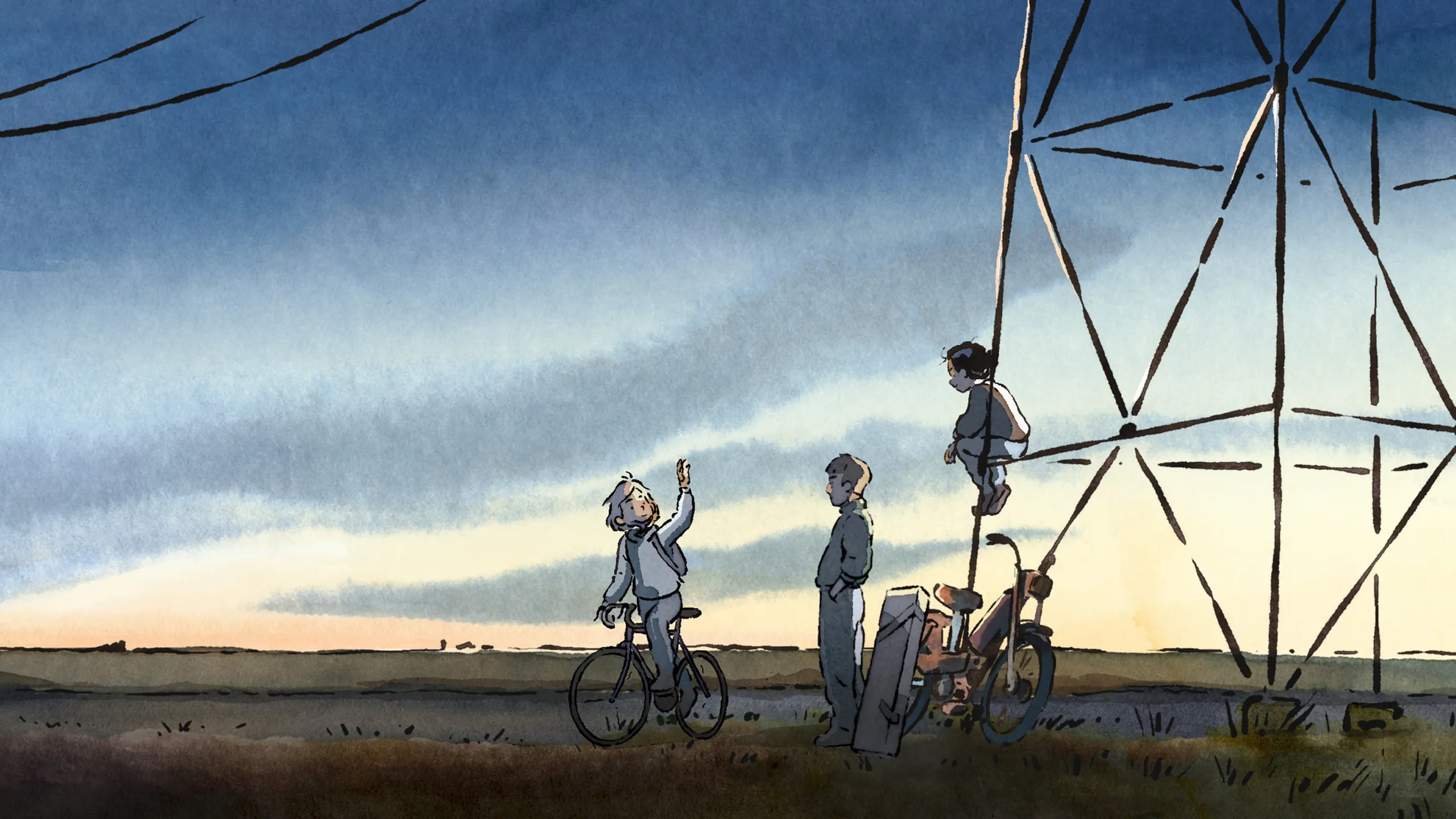
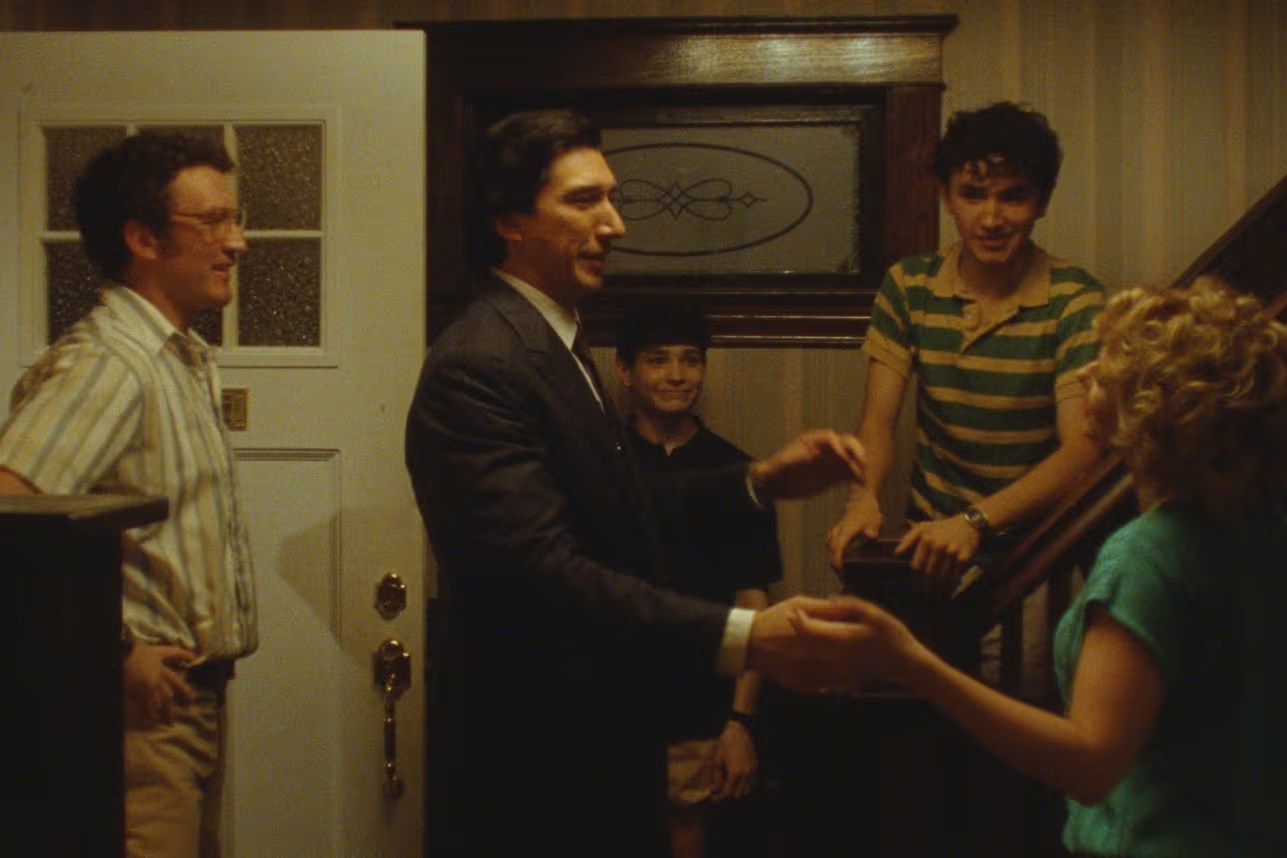
The 2026 Santa Fe International Film Festival showcases key titles including 'Paper Tiger' and 'Musk', marking an exciting lineup for this year.
DC Comics' significant 1986 overhaul of Superman's origin story reshaped the character for modern audiences, according to ComicBook.com.
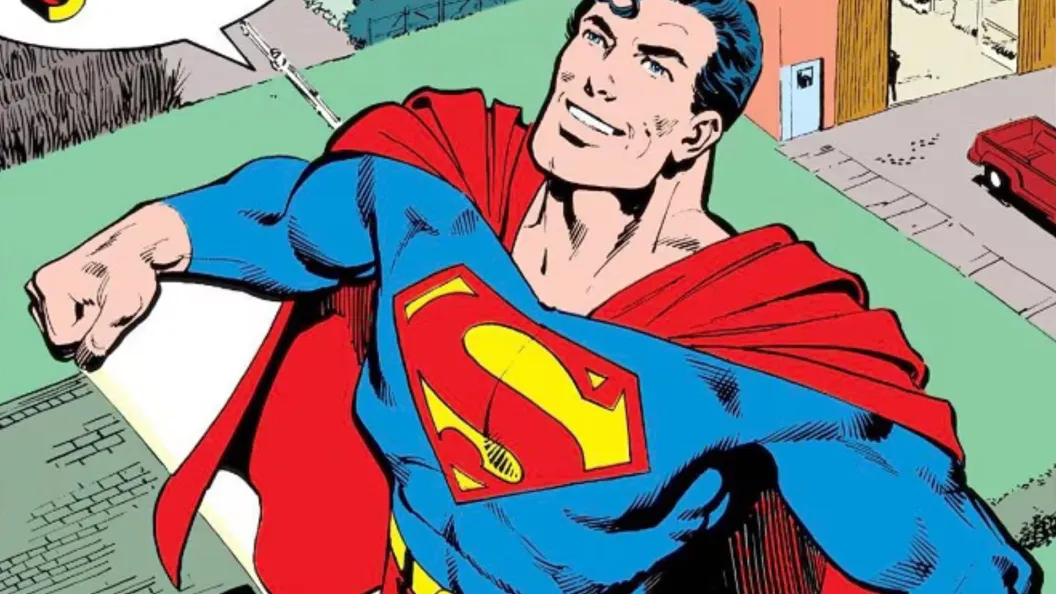
On September 2, 1986, DC Comics introduced a landmark shift in the Superman narrative with the release of The Man of Steel #6, authored by John Byrne. This issue marked a pivotal moment, fundamentally altering the origin story of the iconic character first introduced in 1938. As reported by ComicBook.com, this change redefined Superman's history and identity for a new generation of readers.
The revamp was initiated during a transformative period for DC Comics, following the conclusion of Crisis on Infinite Earths. This crossover series aimed to consolidate DC's multiverse, simplifying character origins to create a more accessible entry point for new fans. Superman’s backstory was reimagined by Byrne, who focused on updating the hero's persona and powers to resonate with contemporary audiences.
In The Man of Steel, the story reveals that Clark Kent returns to Smallville, only to uncover significant truths about his ancestry that were previously concealed. Notably, he learns that he is indeed an alien from Krypton, a revelation that recontextualizes his upbringing on Earth, particularly the role of his adoptive parents, Ma and Pa Kent.
Byrne's narrative altered numerous elements of Superman's lore, most notably:
The changes made by Byrne in 1986 have had lasting implications on subsequent narratives within the Superman franchise. By stripping away earlier elements such as Superboy, the character’s teenage heroics and associations—such as participation with the Legion of Super-Heroes—were effectively erased, allowing for clearer storytelling avenues. Furthermore, Byrne's depiction of Lex Luthor as a ruthless businessman rather than a mad scientist paved the way for more nuanced conflicts in future Superman stories.
Critically, while Byrne redefined Superman’s history, he retained the foundational theme that while Krypton shaped Superman's powers, it was his upbringing on Earth that defined his humanity. The Kent family remained integral, serving as guideposts in Clark's life and acting as the cornerstone of his moral compass, a theme that continues to resonate in Superman narratives today.
The 1986 changes to Superman’s origin, timed with a broader industry shift, showcased DC Comics' adaptability to the evolving landscape of comic book storytelling. This shift is significant for both long-time fans and new readers, offering a streamlined narrative that retains essential character traits while allowing fresh explorations of the hero's identity and challenges in the modern age. By addressing the historical and cultural shifts of the era, Superman remains a dynamic and complex character, reflecting both the struggles of alienation and the embrace of one's humanity amidst extraordinary circumstances.
Entertainment news
EpisodeBreakdown may use automated tools to assist research, drafting, and formatting. Published pages are governed by our editorial and corrections policies, and source links are shown when they are available in the article record.
Discovery source: ComicBook.com. The source identifies where the topic was discovered; EpisodeBreakdown is responsible for the commentary published on this page.
Reader response
Reactions and poll results are based on real reader responses. No account is required.