Taylor Sheridan's gripping two-part crime saga, Sicario and Sicario: Day of the Soldado, showcases relentless tension and masterful storytelling. Here's a breakdown of its themes, characters, and what fans can expect next.
Taylor Sheridan's 2-Part Neo-Western Crime Saga Is Relentless From Start to Finish
Taylor Sheridan has carved out a significant place in the realm of contemporary cinema with his two-part neo-Western crime saga, Sicario and Sicario: Day of the Soldado. Lauded for its gritty realism and intense performances, this saga has captured the attention of audiences around the globe, particularly following its availability on streaming platforms. As viewers binge-watch these gripping narratives, let’s unpack what makes this story so compelling and what might be on the horizon.
Quick Summary
The Sicario series paints a harrowing picture of the drug war on the US-Mexico border. Spiraling around moral ambiguity, the films explore the lengths to which individuals and institutions will go in order to achieve their objectives, forcing viewers to grapple with ethical dilemmas and the chilling realities of violence and corruption.
Story Setup
Sicario, released in 2015, introduces us to Kate Macer (played by Emily Blunt), an FBI agent who is thrust into the murky depths of the drug trade while on a mission to capture a notorious drug lord. Her role catapults her into an intense world of moral grayness, where the line between right and wrong blurs ominously.
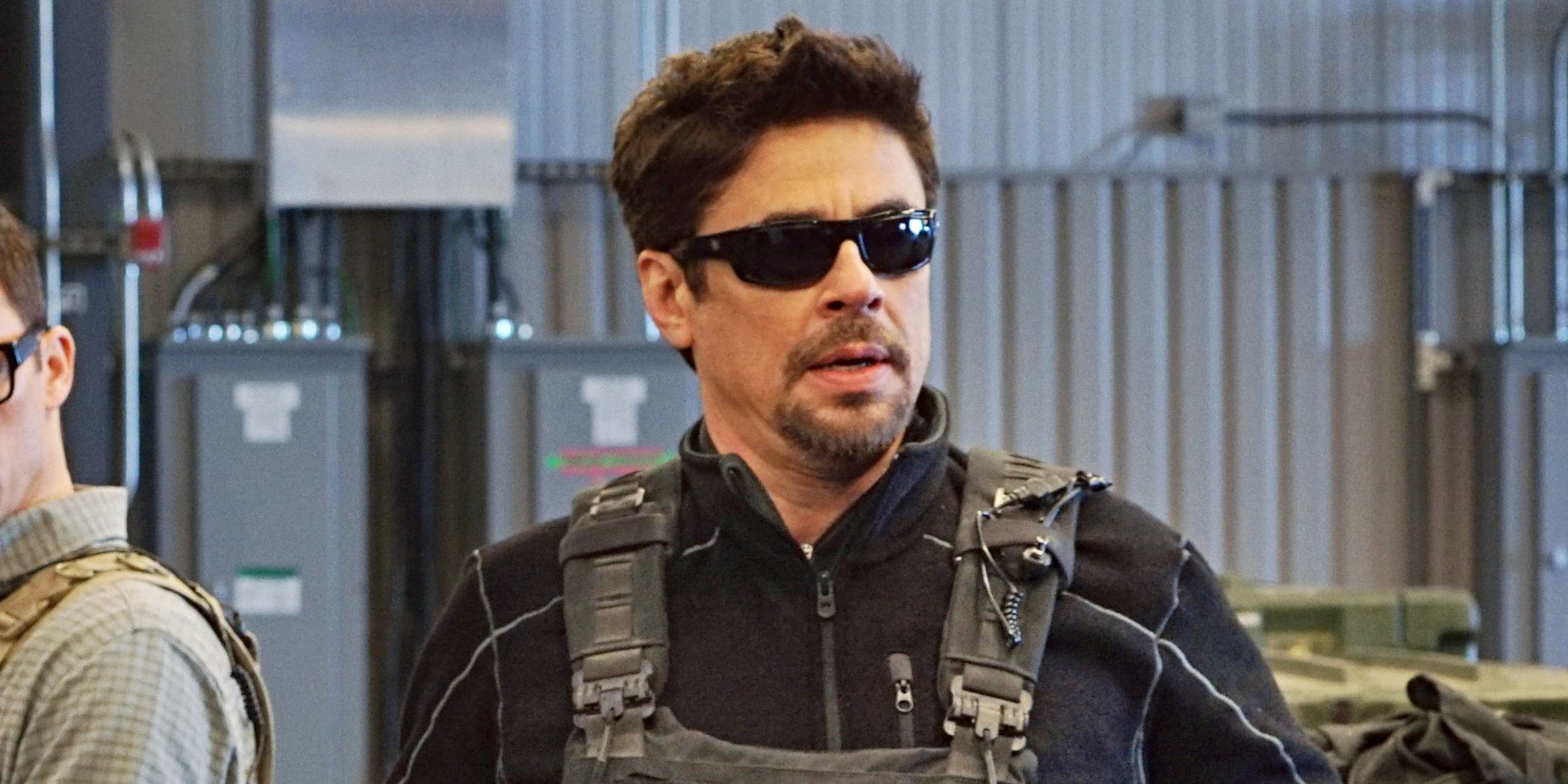
In the sequel, Sicario: Day of the Soldado, we see the return of characters like Alejandro Gillick (Benicio del Toro) and Matt Graver (Josh Brolin) as they navigate the escalating violence of the drug war. With the stakes higher than ever, the narrative shifts toward themes of illegality and retribution, showcasing how the war is far from black and white.
Both installments are steeped in realism, mirroring real-world issues surrounding the drug trade while offering an unflinching look at the consequences of those actions.
Main Characters
The character arcs in the Sicario series are critically crucial, with each individual representing different perspectives on law enforcement and morality:
Kate Macer (Emily Blunt) - Representing the idealistic view of law enforcement, Kate's journey is one of empowerment faced with disillusionment. Her character serves as the emotional center of the first film, challenging the audience to consider the impact of corruption on individuals dedicated to justice.
Alejandro Gillick (Benicio del Toro) - A former lawyer and assassin, Alejandro embodies vengeance and moral ambiguity. His relentless quest for justice often leads him down dark paths, creating tension with protagonists.
Matt Graver (Josh Brolin) - Serving as a CIA agent, Graver operates in the shadows of legality. His pragmatic approach to national security showcases the ethics at play within governmental operations concerning drug cartels.
These characters draw viewers into complex relationships and power dynamics, encapsulating the emotional highs and lows of the ongoing conflict.
Ending or Latest Episode Explained
As of the latest installments available to stream, the saga culminates in dramatic confrontations and significant character developments. The narrative threads intertwine, leading to ambiguous conclusions that invite contemplation on the future of these characters.
Sicario: Day of the Soldado closes with a tension-filled scenario that leaves viewers questioning the implications of the characters' actions. Alejandro's fate hangs in the balance, leaving an open-ended narrative that teeters on the edge of moral resolution versus chaos.
What Could Happen Next
Given the cliffhanger nature of the sequel, there's substantial fan curiosity about potential future projects. Taylor Sheridan has a reputation for creating engaging stories, and it’s likely that he will continue to explore the implications of violence and justice in follow-up projects. Whether this could take the form of a direct sequel or an exploration of other characters within the same universe remains a point of speculation.
Possible directions include:
Exploration of New Characters: Introducing fresh perspectives from both sides of the border could yield new stakes and storylines.
Further Development of Alejandro: There’s ample room for deeper character exploration of Alejandro, including his backstory and the lasting impacts of his choices.
Expansion of Law Enforcement Themes: Future installments could dive deeper into the ethical questions surrounding law enforcement's roles in covert operations and their real-world consequences.
Why This Is Trending
The Sicario series has surged in popularity, particularly in the streaming landscape, as audiences are drawn to intense, character-driven narratives that reflect current sociopolitical issues. The films’ stylistic visuals, coupled with their raw portrayals of violence and morality, have fostered discussions around the ethical boundaries of justice and the war on drugs.
Furthermore, Taylor Sheridan’s previous successes—including Yellowstone and 1883—have cemented his reputation as a master storyteller, attracting viewers who now look to the Sicario films for similarly intense experiences.
Final Thoughts
Taylor Sheridan's Sicario saga offers a gripping exploration of the intersections between law, morality, and the harsh realities of the drug war. As fans eagerly consume these films on streaming platforms, the intricate storytelling and provocative themes continue to resonate. Whether you're revisiting these films or diving in for the first time, expect a relentless ride that will leave you questioning the very nature of justice.
In an era where streaming has become king, Taylor Sheridan's masterpieces serve as reminders of the power of storytelling in cinema, inviting audiences to reflect on deeper societal issues while being entertained. As we await more from this talented director, the Sicario series remains a defining entry in the neo-Western genre.
Story SetupMain CharactersEnding or Latest Episode ExplainedWhat Could Happen Next
EpisodeBreakdown may use automated tools to assist research, drafting, and formatting. Published pages are governed by our editorial and corrections policies, and source links are shown when they are available in the article record.
Discovery source:Collider. The source identifies where the topic was discovered; EpisodeBreakdown is responsible for the commentary published on this page.
Reader response
What did you think?
Be the first to react
Reactions and poll results are based on real reader responses. No account is required.
Continue the story
anime
Seven Seas Licenses Seven New Manga Titles
Seven Seas Entertainment announces a slate of new manga, from fantasy to adventure, including unique titles like 'Wandmaker of the Ruined World' and 'The Kaiju Autopsy.'Read next →
Seven Seas Entertainment announces a slate of new manga, from fantasy to adventure, including unique titles like 'Wandmaker of the Ruined World' and 'The Kaiju Autopsy.'